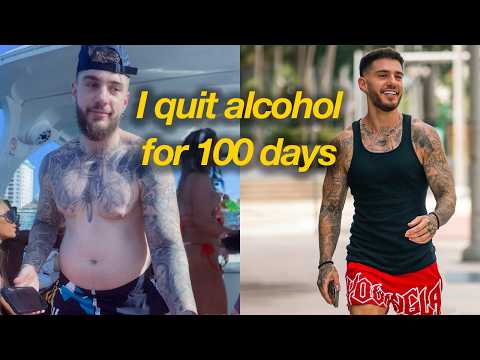
Hey, you! So, let’s chat about something real—like, really real. You know those moments when life feels a bit out of control? Yeah, we’ve all been there.
Imagine taking a step back and saying, “You know what? I’m ready to hit reset.” That’s where the idea of sobriety comes in. It’s not just about putting down the drink or saying goodbye to substances; it’s more about unearthing a whole new mindset.
In just 100 days, you can discover things about yourself you never even knew were there. Seriously! It’s like peeling back layers—like finding that hidden treasure in your favorite old jacket.
So, buckle up for some vibes about growth and change. Let’s dive into how shifting your mindset can be a game-changer on this journey. Sound good? Cool. Let’s roll!
Transformative Effects: What 100 Days Without Alcohol Does to Your Body
Imagine waking up one morning and deciding to ditch alcohol for 100 days. It sounds daunting, right? But trust me, the effects on your body and mind can be pretty amazing. So let’s chat about what happens during this journey.
First off, when you cut out alcohol, your body starts to detox right away. Within just a few days, you might notice better sleep patterns. You know that tossing and turning at night? It’s replaced by more restful sleep, which feels like a game changer.
Then there’s hydration. Alcohol can dry you out like a desert! When you stop drinking it, your body can rehydrate, leading to glowing skin and improved digestion. Think about it: your skin is basically a reflection of what’s happening inside.
After about two weeks, many people start to feel more energetic. No more hangovers means no lethargy in the mornings! You wake up feeling refreshed instead of groggy and dragging yourself through the day.
Let’s talk about cravings too. Initially, those cravings can be challenging—but they do fade over time. Your brain starts rewiring itself, learning that fun doesn’t need to revolve around booze. It’s like training a puppy; it takes patience but is so worth it in the end!
Now here’s something wild: after around 30 days without drinking, many folks experience what they call “a clear mind.” It’s like fog has lifted! You might find focus becoming sharper—you could even tackle tasks that have been sitting on your to-do list forever!
And in terms of weight loss? Well, many notice changes in their bodies pretty quickly—like dropping pounds because those sugary cocktails are gone for good! Plus, cooking at home becomes way easier since you’re not sidetracked by bar snacks or takeout after drinks.
After hitting the 60-day mark, lots of people report feeling greater emotional stability too. Less mood swings mean more consistent happiness or contentment—and who wouldn’t want that?
Finally, when you reach that magical hundred-day milestone? You’re likely feeling proud as heck! You’ve not just transformed physically; mentally, you’re stronger too. Maybe you’ve built new habits or found creative outlets you didn’t know existed before.
To wrap it all up: spending 100 days without alcohol can give you this incredible boost—both inside and out. And while it’s definitely a challenge at first, the benefits are totally worth it!
Understanding Brain Adjustment Timeframes in Sobriety: A Comprehensive Guide
Understanding how your brain adjusts during sobriety takes time and a bit of patience. It’s not just a switch you flip; it’s more like a gradual sunrise. You’re coming out of a fog, and the light gets brighter each day.
When we talk about adjustment timeframes, we’re looking at how long it takes for your brain to adapt after stopping substance use. The timeline can vary widely depending on various factors like how long someone was using, what they were using, and their mental health history.
Let’s break this down:
So here’s the scoop: everyone’s journey through sobriety looks different due to individual circumstances—including support systems and coping mechanisms.
Now, let me share a little story: I have a friend who decided to get sober after years of partying hard every weekend. At first, he was super anxious and had trouble sleeping for about two weeks—like tossing-and-turning kind of trouble! But once he hit that three-month mark? Wow! He told me he started seeing life through clearer lenses; everything felt sharper and more vibrant—just like colors popping out of a black-and-white movie!
If you’re going through this process—or maybe supporting someone who is—you’ll likely see that as time goes by things continue transforming emotionally too! So remember it’s not just about stopping substance use; it’s also about rediscovering yourself along the way.
One last thing: don’t rush it! Recovery isn’t about racing against the clock but rather taking each moment as it comes—you’re building new habits that strengthen your mindset for growth every single day.
Understanding the Significance of 100 Days Sober: Is It a Milestone in Recovery?
Hitting the 100-day mark in sobriety can feel like a big deal, right? For many people, it’s more than just a number. It represents a significant shift in mindset and growth during recovery. But why is that? Let’s break it down.
First off, those first few days or weeks without your substance of choice can feel pretty overwhelming. It’s like stepping into the unknown. But by day 100, you’ve probably gone through some tough times and seen some changes happening within yourself. That journey often leads to real emotional and mental growth.
You start to build new routines that don’t involve substances. You might find yourself picking up hobbies or reconnecting with friends and family you lost touch with during tougher times. This shift is crucial because it helps establish a solid foundation for your new life.
Another thing that happens around this time is that people start to notice your progress, too. Friends, family—maybe even coworkers—begin to see the positive changes in you, which can be incredibly encouraging! It’s kind of like getting personal cheerleaders for all your efforts.
However, it’s not all rainbows and sunshine at this point. You might experience what they call the “honeymoon phase.” Initially, things seem great, but as reality hits and challenges come up again, maintaining sobriety might feel tougher than before. This is when your mindset really matters.
Think about it: reaching 100 days sober gives you solid proof that change is possible. That’s why some folks say it’s a milestone in recovery! It can empower you to face future challenges more confidently since you’ve proven to yourself that you can stick with something hard for an extended period.
And let’s talk about the psychological perks here. Achieving this goal often relates back to feelings of accomplishment and self-worth—a real boost for your self-esteem! After all those struggles with addiction, celebrating any victory feels fantastic.
So yeah, while the path to lasting sobriety extends well beyond those 100 days, they serve as an important checkpoint on the road ahead. It’s where lessons learned truly begin to take root.
To sum everything up:
- Emotional Growth: You’re likely experiencing a shift in how you view yourself.
- Social Connections: Relationships may begin healing.
- A Sense of Accomplishment: This milestone provides tangible proof of progress.
- Challenges Ahead: Understand that new hurdles will come—your mindset will be key.
Reaching 100 days sober isn’t just about abstaining; it’s also about redefining who you are and what life looks like without substances clouding your world. Recognizing this significance can help keep you motivated as you step into whatever comes next on your path forward!
So, imagine this: you’re a hundred days into sobriety. It’s not just about putting down the bottle or stepping away from whatever your vice was; it’s like embarking on a little expedition inside your own head. Seriously, that first step is huge. You might have felt a bit lost at times, unsure what to expect. But then, day by day, everything changes.
Let’s talk mindset shifts. At first, you might’ve thought sobriety meant missing out on fun or being boring. You know? Like, “What will I even do with my time?” But as those days pile up, you start seeing things differently. You realize it’s more about gaining clarity—like wiping fog off your glasses and suddenly seeing everything sharper and brighter.
I remember when my friend Joe hit his 100-day mark. At the beginning of his journey, he was overwhelmed by fear and self-doubt. He kept replaying those moments where he thought he’d never be himself again without that crutch—feeling like life was just gonna be one big drag. Then something started to shift. He began taking up new hobbies and connecting with people who really supported him in his journey.
By the end of those 100 days, he wasn’t just sober; he was starting to thrive! He found joy in simple things—a walk in the park or cooking a nice meal for himself—stuff that would’ve felt impossible before. That shift? It’s like flipping a switch from “I can’t” to “Why not?” It’s empowering!
And growth? Oh man, it doesn’t stop there! Realizing how much emotional baggage you were carrying while using can be heavy stuff. But then comes the lightness when you shed all that weight; you get a clearer perspective on who you are and what you truly want from life.
You learn resilience too because every day gets easier—but not in an easy-peasy way; it takes effort! You find yourself embracing discomfort as part of the process instead of running away from it. And hey, maybe there are some bumps along the way—even setbacks—but each one holds lessons if you’re open to them.
It’s pretty amazing how much can change in just 100 days when you’re committed to looking within yourself and reshaping your world. So if you’re considering this journey—or walking it yourself—know that every day is like laying another brick that builds this new foundation for who you’re becoming—a version of yourself that’s stronger than ever before!