So, let’s talk about personality tests for a sec. You know, those little quizzes that try to squeeze you into a box?
Well, one of the classics is the 16PF Personality Test. Sounds fancy, right? But don’t sweat it; it basically digs into what makes you tick.
Imagine piecing together your own personality puzzle! Each part reveals something unique about you. Pretty cool, huh?
People use it for all sorts of stuff—workplace vibes, relationships, even figuring out how to handle life’s curveballs. Let’s break it down and see what this test is all about!
Understanding the 16PF: Insights into Personality Measurement and Analysis
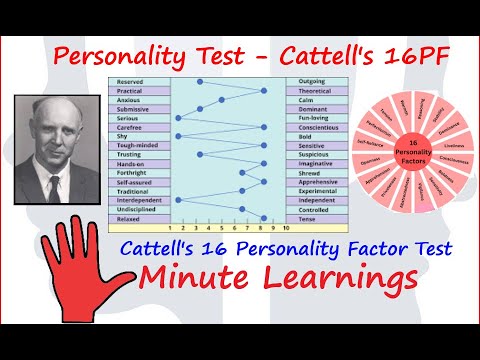
The 16PF, or Sixteen Personality Factor Questionnaire, is a widely used tool in psychology for measuring and analyzing personality traits. Developed by Raymond Cattell in the 1940s, it’s designed to give a clearer picture of an individual’s personality by using a broad range of traits.
So, what exactly does the 16PF measure? Well, it focuses on 16 different personality factors. These are not just random labels; they represent core aspects of how we behave and interact with the world. Think of these traits as pieces of a puzzle that essentially make up who you are.
- Warmth: This measures your ability to be friendly and approachable.
- Reasoning: This shows how well you can solve problems or understand new concepts.
- Emotional Stability: This reflects your ability to handle stress and remain calm under pressure.
- Dominance: Here, you see how assertive or passive you can be in social situations.
- Liveliness: This aspect gauges how enthusiastic or energetic you tend to be.
- Rule-Consciousness: It indicates your respect for rules and conventions.
- Sensitivity: This trait speaks to your emotional awareness and empathy towards others.
- Vigilance: Measures your tendency to be suspicious or trustful of others.
- Aberration: Reflects feelings about unconventional thinking or behavior.
- Self-Reliance: Indicates how much you depend on yourself versus relying on others.
- Sociability: How social are you? This shows your comfort level in engaging with people.
- Persistence: Measures determination and resilience when facing challenges.
- Aesthetic Appreciation: Your sensitivity towards beauty and art falls under this trait.
- Tension:This factor looks at how likely you are to feel stressed or anxious.
Each of these factors is like a lens through which psychologists can analyze behavior patterns. The beauty of the 16PF is that it looks beyond just oddball behaviors; it captures the nuances that define us as individuals.
You might be wondering how this all comes together during testing. The test usually presents multiple-choice questions where you pick statements that resonate with your experience. It’s designed so that responses reflect your natural tendencies rather than what you’d aspire to be.
It’s interesting because people often have misconceptions about personality tests being rigid labels. But really, the 16PF opens up a conversation about wavelengths. You could think you’re incredibly creative but find out you’ve got low scores on «Aesthetic Appreciation.» It sparks curiosity about areas for growth!
The insights gained from the 16PF aren’t just academic either. Organizations love using it for hiring, team-building, or leadership development—basically anywhere understanding people better can lead to smoother interactions.
A quick story here: If I had a dime for every time someone said they were shocked by their test results! A friend once swore they were super laid-back but ended up scoring high on «Tension.» It was eye-opening for them to realize they might need some coping strategies after all.
In summary, the 16PF serves as a robust framework for grasping complex human personalities in an easy-to-understand way. By examining those sixteen factors, we can develop better self-awareness and improve our relationships with others around us. So think about it: What do your personality traits say about you?
Understanding Effective 16PF Test Scores: What Constitutes a Good Result?
So, the 16PF test, huh? It’s one of those personality tests that digs deep into who you are. Developed by Raymond Cattell, it measures various traits in a pretty detailed way. But what makes a score on this test “good” or effective? Let’s break this down.
First off, the 16PF stands for **16 Personality Factors**. These factors can show you things like how you handle stress, your interpersonal style, and even how you approach decision-making. Sounds cool, right? But those scores can be a bit tricky to interpret.
When looking at the scores, you’ll notice they fall on a continuum. Each factor has a high and low end. Here’s where it gets interesting:
- A high score in a factor might suggest that you’re more assertive or outgoing.
- A low score, on the flip side, could mean you’re more reserved or introspective.
The key is to understand what these traits actually mean in your life. For example, if you score high on “Warmth,” it could indicate that you’re friendly and approachable. That’s great for teamwork! But if another person scores lower on that factor, they might be more serious—doesn’t mean they’re bad; it’s just their style.
Now, let’s talk about what constitutes a good result. It really depends on context! A score isn’t inherently good or bad; it’s about how it fits with your goals and environment:
- If you’re looking for a job in sales, being high in **Dominance** and **Liveliness** might be beneficial. Those traits help with persuasion and enthusiasm!
- On the other hand, if you’re pursuing research work, then low **Sociability** could be perfectly fine since you’d probably spend more time analyzing data than socializing.
The thing to remember is that everyone has their unique strengths based on their scores. You know how sometimes you think someone is super shy but they excel in one-on-one conversations? That could be reflected in their lower sociability but higher warmth scores—their style just works differently.
Also important is reliability and consistency of these results over time. If you take the test multiple times and get wildly different outcomes each time—like changing from an extrovert to an introvert—it might raise some flags about how reliable your responses were at that moment.
Your personal situations matter too! Stressful life events can influence how you’re feeling during the test day—it’s not always reflective of your true self long-term but rather your current mindset.
If you’re ever evaluating your own 16PF results or someone else’s, just keep all this in mind—it shouldn’t feel like there’s only one path to follow based on numbers alone!
A “good” result ultimately means being aware of yourself through those scores and understanding how they click with your life goals and social environments. Because at the end of day? It’s all about finding the fit between who you are and where you want to go!
Understanding the 16PF Personality Test: Insights and Applications
The 16PF Personality Test, developed by Raymond Cattell, is one of those classic tools you might come across in psychology or even in some workplaces. Basically, it’s designed to measure a range of personality traits that can provide insights into how you think, feel, and behave. You know? It’s all about understanding yourself better and how you interact with others.
So, the test consists of **16 primary factors**. These factors are broad dimensions that reflect your personality traits. Each trait is scored on a continuum, meaning you might score high on some and low on others. This gives a well-rounded picture of who you are. Here are some key traits:
- Warmth: Calls attention to how friendly or cold someone can be. Are you the type who easily connects with others?
- Abstractedness: Measures your preference for thinking about complex ideas instead of practical details.
- Perfectionism: Related to your attention to detail and need for order.
These traits can help explain things like why some folks are super social while others prefer their own company. That’s important in various settings—especially in jobs where teamwork is essential.
One interesting thing about the 16PF is its applications. For instance, many organizations use it during the hiring process to see if someone fits into their culture or specific roles. If you’re looking for a leadership position, understanding whether you’re naturally supportive or more critical can make all the difference!
And then there’s personal development! Imagine taking this test and realizing you’re more timid than you thought. That awareness could push you to step out of your comfort zone more often—it sparks growth!
Also, there’s this factor called **Emotional Stability**: people high in this feel balanced even when faced with stressors; those low might find everyday challenges overwhelming a lot faster.
Of course, it’s not just about knowing where you stand on these traits; it helps in understanding how those traits play out in relationships too! For example, if someone scores high in **Dominance**, they might often take charge during group projects—while those lower may shy away from leadership roles.
But remember, it’s not like this test puts you in a box forever! People change over time due to experiences and personal growth. It just gives a snapshot based on where you’re currently at.
So when diving into the world of personality tests like the 16PF, keep in mind: it’s all about gaining insights rather than labeling yourself as one thing or another. It’s one tool among many that helps paint your unique psychological picture!
The 16PF Personality Test is one of those tools that really gets you thinking about what makes us, well, us. Imagine it’s like a mirror reflecting different layers of your personality. It was developed by Raymond Cattell, who thought it was super important to break down personality into more specific traits instead of just saying someone is shy or outgoing. You get these 16 primary factors that describe how you might behave or react in various situations.
You know, when I first heard about personality tests, I thought they were just fun quizzes you find online—like, “Which potato chip flavor are you?” But then I took a closer look at assessments like the 16PF and realized there’s some serious science behind them! It digs deep into who we are and helps identify patterns in our behavior. And believe me, some of those patterns can be eye-opening.
So, the way it works is pretty interesting. You answer a bunch of questions—like whether you prefer staying in or going out—and based on your answers, it breaks down your personality traits into categories like warmth, reasoning, emotional stability, and even dominance. It’s weirdly accurate at times! I remember taking it and discovering aspects about myself that I didn’t even recognize before—like how being adventurous might sometimes clash with my tendency to overthink things.
Of course, no test is perfect; it’s just one tool among many to understand ourselves better. The thing with personality tests is that they can provide insights but shouldn’t box you in entirely. You’re still a complex human being with so many experiences shaping who you are every day.
It’s also worth mentioning that the 16PF is used not only for personal development but also in hiring processes and coaching situations. Employers sometimes use this test to get a sense of how candidates might fit into their team dynamics or company culture. So if you’ve ever been grilled by those tricky interview questions about teamwork and leadership style? There’s a solid chance it ties back to something like this.
In the end, exploring your personality through something like the 16PF can be both enlightening and freeing—you realize there’s more than one way to think or act based on the traits you’re born with or have developed over time. It’s all part of being human!