Ever wondered what makes you, well, you?
We all have our quirks and habits that shape how we see the world.
That’s where the 16PF Questionnaire hops in. It’s like a backstage pass to your personality.
Imagine getting a peek into what drives your decisions or why you handle stress the way you do. Cool, right?
And it’s not just for psychology nerds; anyone can use it!
Whether you’re curious about yourself or trying to understand a friend better, this tool can really open some doors.
Let’s dig into how it works and what insights you might uncover!
Understanding the 16PF Personality Questionnaire: Insights and Applications
The 16PF Personality Questionnaire is an interesting tool used to uncover various aspects of our personalities. Developed by Raymond Cattell, it dives deep into what makes us tick. It’s like a personality map that highlights traits, preferences, and ways we interact with the world.
What is the 16PF? The 16PF stands for the 16 Personality Factors. These factors are based on Cattell’s research and represent a range of personality traits. The questionnaire consists of about 185 multiple-choice questions. When completed, it generates a profile that reflects your unique personality.
Why use it? People find the 16PF valuable in different fields. It’s often used in workplaces to help with hiring decisions, team building, and even leadership training. By understanding someone’s personality traits, organizations can match people with roles that suit them best.
Think of it this way: if you’re naturally outgoing and you’re put in a job that requires a lot of solo work, you might feel drained or unmotivated. But if you’re placed in a role that allows interaction and teamwork, you’ll likely thrive.
The 16 Personality Factors can be grouped into broad categories:
- Warmth: This trait indicates how friendly and approachable someone is.
- Abstractedness: It shows how imaginative or focused someone is.
- Sensitivity: This relates to how empathetic someone tends to be.
- Dominance: Indicates how assertive or controlling an individual might be.
- Liveliness: Reflects how lively or spontaneous they are.
- Rule-Consciousness: Shows one’s adherence to rules and structure.
- Sociability: Measures preference for social interaction versus solitude.
- Aggressiveness: Indicates how confrontational someone might be.
- Cautiousness: Reflects an individual’s tendency toward caution versus risk-taking.
- Tension: Measures stress levels or emotional stability.
- Diligence: Reflects work ethic and attention to detail.
- Boredom Susceptibility:This speaks to how easily one gets bored with routine tasks.
So, each person has their own set of scores on these factors which leads to pretty diverse personality profiles. You could think of it like getting a unique fingerprint for your personality!
The Applications. Beyond workplaces, the 16PF can also aid personal growth. If you take the test and discover you’re high in sensitivity but low in dominance, you might realize why conflict situations are tough for you. Understanding this can lead to better management of relationships or stressors.
Also, therapists sometimes use it as part of assessment tools to understand clients better. And hey, even schools have adopted it for guiding students toward courses or careers that align more closely with their personalities.
One thing that’s super cool about the 16PF is its flexibility across cultures as well; it has been adapted for different languages and settings around the globe. So it’s not just something stuck in one place!
Overall, using the 16PF Personality Questionnaire, people can gain insights into their strengths and weaknesses while also learning about how they relate with others around them. That’s pretty powerful! Understanding ourselves better helps improve our daily interactions—the way we communicate at home or relate at work—really enhancing our overall quality of life.
Exploring the Relevance of the 16PF in Modern Psychological Assessment
The 16 Personality Factors Questionnaire, or 16PF, is a well-known tool in the field of psychology. Developed by Raymond Cattell in the 1940s, it helps to measure key personality traits. This questionnaire can give you a glimpse into how someone thinks, feels, and behaves. So, how relevant is it today?
First off, the 16PF assesses a range of personality dimensions. It looks at traits like warmth, reasoning, emotional stability, dominance, and liveliness. Each of these traits provides insight into how a person interacts with others and faces challenges. Imagine you’re trying to understand why your friend reacts differently in stressful situations than you do; the 16PF might help clarify those differences.
One major reason the 16PF remains relevant is its strong scientific foundation. It’s based on years of research and analysis of personality data. Plus, it has been widely used across various settings—like workplaces, schools, and clinical environments—making its findings applicable in real-world situations.
- Diverse Applications: The 16PF isn’t just for psychologists; it’s also used in career counseling and employee selection processes.
- Cultural Adaptability: Versions of the 16PF exist for different cultures which helps ensure that it’s relevant no matter where you live.
- Predictive Power: Research shows that scores from the questionnaire can predict job success and satisfaction in various roles.
You might not know this, but the questionnaire consists of 185 items. These items require participants to choose between two statements that best describe their feelings or attitudes. This format makes it more engaging than traditional tests where you just fill in bubbles.
A neat aspect? The feedback from the 16PF can be quite eye-opening. Let’s say you score high on emotional stability but low on liveliness—you might discover you approach stressful situations calmly but could benefit from being more expressive or spontaneous in social contexts.
The impact doesn’t stop there! Organizations often use results from this assessment for team-building exercises. Knowing each other’s personality types fosters better communication and collaboration among team members. It’s kind of like having a cheat sheet for understanding one another!
So yeah, even with all the fancy new tools out there today—from AI to big data—the 16PF has earned its place as a valuable resource in understanding human behavior. It continually adapts to modern needs while staying true to its roots in solid psychological principles.
This blend of tradition with modern relevance makes it pretty cool! Whether you’re curious about yourself or looking into hiring someone new, diving into personality assessments can really shed light on how we connect and interact with each other every day.
Exploring the Five Key Aspects of the 16 Personalities Model
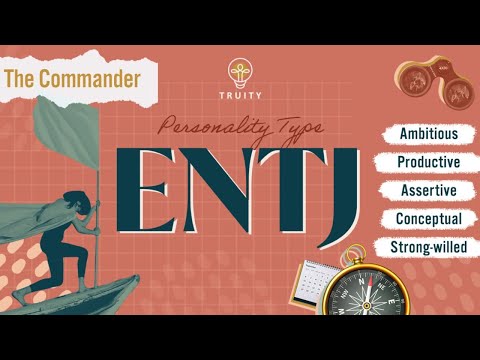
The 16 Personalities Model, inspired by Carl Jung’s theory, breaks down personality into various types based on different traits. It’s kind of cool because it gives you insight into how people think, feel, and act. Let’s explore the five key aspects of this model so you can better understand yourself and those around you.
1. Introversion vs. Extraversion
This aspect looks at where you get your energy from. If you’re an Introvert, you recharge by spending time alone or with a small group of close friends. You might prefer quiet activities like reading or journaling. On the flip side, if you’re an Extravert, socializing gives you a boost! You thrive in larger groups and enjoy being around others.
2. Sensing vs. Intuition
This one’s all about how you collect information. Sensors focus on concrete facts and details; they tend to be practical and grounded in reality. They notice the little things that others might overlook. Meanwhile, Intuitives look for the bigger picture and possibilities beyond what’s right in front of them. They love ideas and abstract concepts.
3. Thinking vs. Feeling
This aspect determines how you make decisions. If you lean toward Thinking, logic rules your choices—you value objective criteria over personal feelings when assessing situations. But if you’re more of a Feeler, emotions take center stage; you’re attuned to how decisions affect people, which means empathy plays a big role in your life.
4. Judging vs. Perceiving
Here’s where your approach to life is evaluated! Judgers like structure and order; they prefer having things planned out ahead of time, which gives them comfort and predictability in their lives. Percievers, however, are more flexible—they’re spontaneous and adapt easily to new circumstances even if it means going with the flow instead of sticking to a plan.
5. Identity Aspect (Assertive vs. Turbulent)
This is like the icing on the cake! It reflects how confident or anxious you feel about your abilities and choices in life—the Assertive types tend to be self-assured and resilient when faced with challenges, while Turbulent individuals may experience self-doubt or stress more often.
So there ya go! Each personality type combines these five aspects into a unique mix that can give insights into someone’s behavior, preferences, strengths, and challenges—not just for yourself but for those around too! Understanding this can help improve communication and relationships with others since we all process the world differently.
So, let’s talk about the 16PF Questionnaire. If you haven’t heard of it, it’s this tool designed to dive into the deep waters of your personality. Imagine you’re sitting down with a friend who’s asking you a bunch of questions about how you react or what you like. That’s kind of what it feels like when you take it.
The cool thing about the 16PF is that it really helps to paint a picture of who you are as a person. It looks at various traits—like your level of warmth, emotional stability, and how assertive or shy you might be. You know that moment when you’re at a party trying to decide whether to mingle or just hang back? The questionnaire can help shine light on why you choose one over the other.
I remember once taking a personality test just for fun with some friends. We were all giggling and joking around, but once we got our results back, the mood shifted a little. It was eye-opening! Some of us read traits we totally agreed with while others were like “wait, what? That’s not me!” It led to some pretty deep conversations about how we see ourselves versus how others perceive us.
What makes the 16PF interesting is its structure; it breaks down personality into big categories and then gets more specific. But it’s not just numbers and data; each person’s results can reflect their own unique blend of traits. So, it’s like having this personalized map guiding you through your own mind.
And don’t get me wrong—this isn’t a magic crystal ball predicting your future or anything too wild like that! But it does open doors for self-reflection and understanding relationships with others better. Like, after taking the test, I realized I might be avoiding certain situations because of my natural tendencies—who knew?
All in all, exploring yourself through something like the 16PF can be enlightening and maybe even helpful. Just think about it: knowing more about yourself can change how you approach life’s challenges and relationships too. So yeah, if you’ve never tried something like this before, it could be worth pondering!