Ever wondered why some people are super chill and others are always on edge? Seriously, it’s fascinating how different we all are, right?
That’s where the 16PF test comes in. It’s one of those tools in psychology that digs into what makes you, well, you. Think of it like a personality roadmap.
You’ve probably taken a quiz or two online that said you’re an introvert or an extrovert. Fun stuff! But this test goes way deeper. It helps paint a fuller picture of your personality traits.
I mean, who doesn’t want to know themselves a little better? So let’s get into how this little test can open up some big insights about our personalities!
Understanding the 16PF: How It Effectively Measures Personality Traits
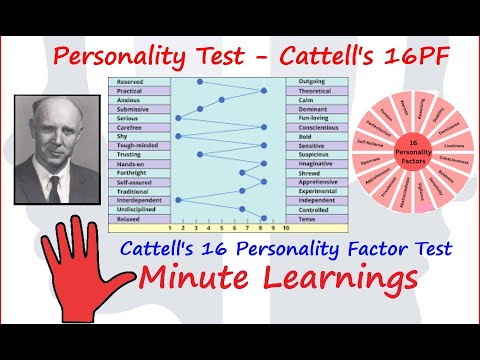
The 16PF, or the Sixteen Personality Factor Questionnaire, is one of those tools that really digs deep into what makes you, well, you. Developed by Raymond Cattell in the 1940s, it identifies and measures 16 primary personality traits. Imagine it as a map of your personality landscape—each trait being a different dimension that helps to shape how you think, feel, and behave.
So, what exactly are these traits? Well, let’s break it down a bit. The 16PF consists of various dimensions like warmth, reasoning, emotional stability, dominance, and many more. Each one reflects a different aspect of your personality.
- Warmth: This shows how friendly and approachable you are.
- Reasoning: This relates to how logical or abstract your thinking tends to be.
- Emotional Stability: It indicates how calm and resilient you stay under stress.
- Dominance: This is about how assertive or bossy you can be in social situations.
Now let’s get into why this test is so effective. First off, it’s based on solid scientific research. Cattell used factor analysis—a way of taking tons of data points and simplifying them into these 16 key traits. That means there’s real backing for his conclusions.
But wait! It doesn’t stop there. The test itself has around 185 multiple-choice questions that cover various scenarios or feelings. You have to choose the ones that resonate with you the most. It takes about 35-50 minutes to complete which isn’t too bad for something that reveals so much about yourself!
One anecdote I remember is when my friend took the test just for fun. She thought it was silly until she read her results. Turns out she scored really high on “independence” but low on “social boldness.” She had always thought she was adaptable in group settings but realized she often felt more comfortable working alone! It kind of opened her eyes to some things she hadn’t noticed before.
Another reason the 16PF stands out is its practical applications. Employers often use it during hiring processes to gauge if someone will fit into their team culture or if they have leadership potential. Ever been in a job where everyone seemed perfectly mismatched? Well, this questionnaire could help avoid those awkward situations down the line.
In addition to career use, therapists sometimes employ the 16PF for personal development purposes as well! Once people understand their traits better—for instance their drive versus caution—they can make more informed choices about their relationships or careers.
The beauty of having a structured framework like the 16PF is its depth and versatility; it’s not just a passing quiz but rather an insightful tool to uncover layers of personality that influence daily life choices.
All said and done, understanding yourself through the lens of something like the 16PF can be enlightening! Seriously, giving yourself permission to explore these dimensions might just help clarify parts of your life that need attention—or maybe even celebrate what makes you unique!
Interpreting 16PF Scores: A Comprehensive Guide to Personality Assessment Insights
The 16 Personality Factors (16PF) is a well-known personality assessment tool developed by Raymond Cattell. It’s designed to measure various aspects of personality through 16 different traits. Sounds pretty neat, right? The scores you get can provide some valuable insights about your personality. Let’s take a closer look, shall we?
Understanding the Traits
Each of the 16PF traits represents a dimension of personality. They range from warmth and liveliness to emotional stability and self-discipline, among others. So, when you take the test and get your scores, each trait score tells you something unique about yourself.
For example, if you score high in Warmth, it means you’re likely friendly and approachable. Conversely, a low score could suggest you’re more reserved or formal in social situations.
What the Scores Mean
The results of the 16PF are usually broken down into three main categories:
- High Scores: Typically indicate that you exhibit behaviors or traits associated with that dimension strongly.
- Low Scores: Suggest that those traits are less prominent in your personality.
- Averages: Reflect a balanced or moderate level of that trait.
So, let’s say you scored low on Anxiety. This could mean you’re generally calm and don’t stress easily—sounds nice, huh? On the other hand, scoring high might indicate you tend to feel nervous or uneasy more often.
The Big Picture
It’s important to look at your scores holistically rather than in isolation. Each trait doesn’t exist on its own; they interact and influence one another. For instance, someone with high scores in both Dominance and Liveliness might come off as a charismatic leader—someone people naturally want to follow.
Also, keep in mind that these scores aren’t set in stone. You can grow and change over time! Life experiences can shape your personality too; for example, overcoming challenges might boost your confidence levels.
Your Profile Report
After taking the test, you’ll usually receive a profile report summarizing your results. This report often includes detailed explanations for each trait along with how they relate to one another.
It’s kind of like getting a snapshot of who you are at that moment in time! It can be useful for personal development or even for understanding your dynamics at work or in relationships.
Anecdotes Matter!
I had this friend who was super sociable but always second-guessed her decisions. After taking the 16PF test, her low score on Emotion Control made total sense! She realized she could work on being more decisive without losing her fun-loving nature.
So if you’ve taken the 16PF test—or are thinking about it—remember: it’s not just numbers—it’s about understanding yourself better. It helps illuminate aspects of who you are while also paving ways for growth!
Understanding Your Personality Test Results: A Comprehensive Guide to Interpretation and Insights
Understanding your personality test results can feel a bit overwhelming, right? But the whole process can actually be pretty enlightening! Let’s take a closer look, especially through the lens of the 16PF test, which is like this classic tool for figuring out your personality traits.
The **16PF test**, created by Raymond Cattell, breaks down personality into **16 primary factors**. Think of it as a way to see how you tick. So when you get your results back, what do you really do with them? Here’s a breakdown to help you understand:
- Know the 16 Factors: Each factor represents something different about your personality. For example, one factor might measure how outgoing you are, while another looks at your emotional stability. It’s like getting a snapshot of different sides of yourself!
- Trait Scores: Your results will give you scores on each of these factors. Higher scores in certain areas could indicate that those traits are more pronounced in you. If you’re high in warmth, for instance, you’re likely friendly and approachable.
- Comparative Analysis: Look at where your scores fall compared to others. A high score can suggest you’re more extroverted than average, while a low score may indicate you’re more reserved. This context helps paint a fuller picture.
- Profiles and Patterns: Often, it’s not just about individual scores but how they relate to one another. For instance, if you score high on anxiety but low on emotional stability, it suggests areas where you might experience challenges.
- Practical Applications: Use these insights in real life! If the test highlights strong leadership qualities, consider roles or activities that let those shine—like taking charge of group projects or stepping up in community events.
Now let’s talk about how this stuff connects to real life. Imagine someone named Sam who got their 16PF results back and noticed they scored high on “tough-mindedness.” This told Sam they’re practical and focused on facts rather than feelings. So instead of stressing over emotional conflicts at work, Sam could focus on solving problems logically.
On the flip side, if someone else named Alex saw low scores in “self-reliance” and high in “dependency,” they might want to explore why they feel more comfortable relying on others for decision-making. Maybe there’s an opportunity here for personal growth!
Also important is that no single score defines who you are! Personality is super complex; people change over time and new experiences shape us differently too.
So when interpreting these results from the 16PF test or any personality inventory—keep an open mind! Dive deep into each factor but don’t forget that life is about adaptability and growth too.
In summary: your personality test results aren’t just numbers on a page—they’re insights into *you*! Embrace them with curiosity and see where they might lead you in understanding yourself better!
You know, personality tests can sometimes feel a bit daunting or even silly at first, right? But they actually offer some interesting insights into who we are and how we tick. The 16PF Test, created by Raymond Cattell, is one of those tools that helps to break down our personalities into 16 different traits. It’s like putting together a puzzle of your character.
Let’s say you’re sitting there, answering questions about everything from your daily habits to how you react in social situations. You might find yourself recalling moments in your life—like when you bombed a first date because you just couldn’t stop talking about your hobbies (guilty!). Or maybe when you shied away from speaking up in class even though you had great ideas. Those little experiences show how personality traits play out in real life.
So, what’s cool about the 16PF is that it looks at both the positive and the not-so-great parts of our personality. Some folks might score high in warmth and talkativeness which sounds great but could also mean they struggle with being too open or trusting too easily. It’s kind of a balance act, figuring out how these traits work together.
And here’s the kicker: understanding these traits can seriously change the way we see ourselves and others. For example, if you learn that you’re high on anxiety but low on emotional stability, it might help you realize why certain situations freak you out more than they do for others.
But remember this—it’s not about putting people in boxes or slapping labels on them; it’s more about recognizing patterns and nuances in behavior. The test is just a starting point for self-reflection rather than an absolute truth. After all, people aren’t just numbers; we’re all complex beings with emotions and experiences that shape us.
In the end, whether you’re using this test to understand yourself better or to improve relationships with friends and partners, it offers invaluable insights into human nature—an intricate dance of traits that make each person unique!