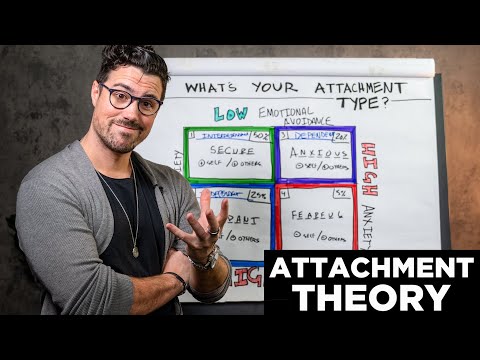
You know how some people are like open books when it comes to their feelings? And others, well, they feel more like locked safes? It’s wild how our emotional styles shape our relationships.
So, let’s talk about attachment. The way we connect—and sometimes disconnect—with others can get pretty complicated.
There are four main styles of emotional attachment. Each one can totally influence how we love and how we deal with life’s ups and downs.
Understanding these styles could change your perspective on your own connections and those with the people around you. Seriously! It’s all about figuring out what makes you tick, and maybe even why that friend of yours is a bit of a mystery.
Let’s dive in, yeah?
Discover Your Emotional Attachment Style: Take the Quiz for Insights and Growth
Emotional attachment styles are like your personal blueprint for how you connect with people. If you’ve ever felt like some relationships feel super easy, while others seem, well, a bit complicated, that’s where these styles come into play. Basically, they shape how we love and relate to others.
Now, let’s break down the four main attachment styles:
- Secure Attachment: People with this style generally feel comfortable with intimacy and independence. They have a healthy self-esteem and can communicate openly. For instance, let’s say Sarah has a secure attachment style; she expresses her feelings to her partner without second-guessing herself.
- Avoidant Attachment: On the flip side, folks with an avoidant style often value their independence to a fault. They might shy away from emotional closeness. Think of Mark who keeps his romantic relationships casual because he fears getting too close.
- Anxious Attachment: These individuals usually crave closeness but worry about their partner’s commitment. Imagine Jenna constantly texting her boyfriend for reassurance when he’s busy; that’s pretty typical of this attachment style.
- Disorganized Attachment: This is often the most complex style. It combines elements of anxious and avoidant patterns and can stem from past trauma or inconsistent caregiving in childhood. For example, Alex might want love but also push people away due to fear of being hurt.
Understanding your own attachment style isn’t just interesting; it can really help you grow emotionally! By acknowledging how you typically relate to others, you can work on improving your connections.
Now you might be wondering how do I figure out my style? Well, there are quizzes available online that can give you some insight into your emotional patterns based on specific scenarios.
Taking one of these quizzes is like holding up a mirror to yourself—you get to see those parts of your emotional life that may need some TLC or just fine-tuning.
Once you’re aware of your attachment style, you can start making changes if needed! Suppose you identify as anxious; recognizing this could motivate you to work on communication skills or maybe explore why those insecurities pop up in relationships.
In short, understanding your emotional attachment style opens doors for deeper self-awareness and healthier relationships. It’s all about growth—learning from yourself helps create better connections with others!
Understanding Attachment Styles: Take the Test to Discover Your Relationship Patterns
Understanding attachment styles is super interesting. It’s like uncovering a little secret about how you connect with others in relationships. So, what are these attachment styles, and why should you care? Let’s break it down.
Attachment Theory was developed by John Bowlby and Mary Ainsworth in the mid-20th century. They noticed that the way we relate to our caregivers as kids can shape how we connect with people later in life. Basically, your childhood experiences can influence how you deal with love and affection as an adult.
There are four main attachment styles:
- Secure Attachment: This is the gold standard! People with this style feel safe and comfortable in relationships. They trust their partners and don’t fear abandonment.
- Avoidant Attachment: This one’s tricky. Those with avoidant attachment often value independence, sometimes to a fault. They might keep a bit of distance in relationships because they fear getting too close.
- Anxious Attachment: If you have this style, you may often worry about your partner’s love and commitment. You might find yourself seeking constant reassurance or feel anxious when they’re not around.
- Disorganized Attachment: This is like a mix of avoidant and anxious styles. It can happen when there’s unpredictability or trauma in childhood. These individuals may struggle to form healthy connections due to fear and confusion.
So, how do you figure out your attachment style? There are quick, fun quizzes online that can give insights into your patterns—like looking into a mirror showing your relationship habits!
For instance, if you’re always worried about whether your partner really cares about you, you might lean toward an anxious attachment style. On the other hand, if you’ve got walls up and prefer to keep things casual without diving deep into emotions, that could suggest an avoidant style.
Now here’s something important: knowing your attachment style isn’t just for fun; it can seriously help improve your relationships. If you’re aware of these patterns, you can work on them! Let’s say you’ve got an anxious style—you might learn to communicate better rather than letting worries simmer inside.
You know what? Understanding others’ styles can be equally enlightening! Imagine being able to empathize more with someone who pulls away because they’re avoidant or comforting someone who feels insecure due to their anxious tendencies!
In short, exploring attachment styles gives you a roadmap to navigate your dating life better. Whether it leads to opening up emotionally or setting healthier boundaries depends on the journey you’re willing to take!
Understanding Attachment Styles in Relationships: A Guide to Healthy Connections
Attachment styles are like the invisible threads that connect us to others. They shape how we form bonds and react in relationships. Basically, they’re formed in childhood based on how our caregivers treated us. But don’t worry, knowing about them can help you improve your connections as an adult!
There are four main attachment styles. Let’s break them down one by one.
- Secure Attachment: People with this style feel comfortable with intimacy. They trust their partners and themselves, which helps create a solid foundation for healthy relationships. Imagine a friend who is always there for you no matter what—that’s secure attachment in action!
- Anxious Attachment: This style is characterized by a constant fear of abandonment. Anxiously attached individuals often seek approval and crave closeness but may worry their partner doesn’t love them back. It’s like having a friend who constantly checks if you still like them, even when things seem fine.
- Avoidant Attachment: Those with an avoidant style keep emotional distance in relationships. They fear losing their independence and might push partners away when things get too close or intense. Think of it as someone who enjoys hanging out but avoids deep conversations about feelings.
- Fearful-Avoidant (or Disorganized) Attachment: This is the most complex style—it combines elements of both anxious and avoidant attachments. People here desire connection but also feel scared of it, leading to chaotic emotions in relationships. Imagine a person who gets anxious about being alone but then runs away when someone gets too close.
The way you relate to others can shift over time, influenced by your experiences and relationships! So don’t feel stuck if you find yourself relating more to one than another; growth is always possible.
If you’ve ever noticed patterns in your relationships, it could be down to your attachment style! For example, if you’re always worried your partner is going to leave, that might hint at an anxious attachment style at work.
It’s super important to recognize these styles because they can affect everything from communication to conflict resolution within a relationship. Understanding what drives your behavior—and that of others—can lead to healthier connections.
If you’re looking to move toward a more secure attachment style—awesome! It takes awareness and effort but can absolutely be done over time through open communication and self-reflection.
The key takeaway? Your attachment style isn’t set in stone! With some introspection and willingness to change—you can pave the way for deeper connections with those around you!
So, you know how in relationships, some people seem super caring while others have more trouble, well, connecting? That’s all about something called emotional attachment. It’s fascinating because it shapes how we bond with others. There are four main styles of emotional attachment: secure, anxious, avoidant, and disorganized. Each one tells a little story about how we interact with the world and those around us.
First off, let’s talk about the secure style. People with this attachment style just seem to “get” relationships. They’re confident in their bonds and communicate well. I had a friend who was like this; she made everyone feel comfortable and valued. It was almost like being around her was a warm hug! Securely attached folks are usually good at navigating conflicts too, which is pretty rad.
Then there are the anxious types. These folks crave closeness but often worry their partner doesn’t feel the same way. It’s like they’re always on edge about whether they’re loved enough or if their connection will last. I can remember a time when my friend would check her phone constantly for messages from her boyfriend—she just wanted reassurance that everything was okay between them. Sometimes that anxiety can lead to smothering behavior or even push people away.
Now, here comes the avoidant type. This is where things get tricky. Avoidant people tend to keep a bit of distance because they’re wary of getting too close—often because they fear vulnerability or rejection. I once dated someone who had an avoidant style; he would always back off when I tried to open up about feelings or future plans. It felt like trying to catch smoke with my bare hands—frustrating!
The last one is disorganized attachment, which can be super complex and often stems from past trauma or inconsistent caregiving during childhood. People here might swing between wanting closeness and pushing others away because they don’t quite know how to handle either side of intimacy effectively. That sounds exhausting just thinking about it! It’s like standing on shaky ground—you want connection but also fear it.
In understanding these styles, you begin to see why people act the way they do in relationships—and even in friendships or family dynamics too! Recognizing where you might fall within these styles can help navigate your connections better and lead to healthier patterns over time.
So really, it’s all connected by our experiences growing up and how we learned to bond with those closest to us—or not bond at all sometimes! Embracing these differences makes for richer interactions and deeper understanding between us all!