You know how some people just get you? Like, they do little things that make you feel all warm and fuzzy inside. But others? Not so much.
It’s all about love languages, my friend. Yeah, those seven ways we express and receive love.
Ever felt like your partner’s trying to speak a totally different language? Trust me, you’re not alone! There’s some real psychology behind this stuff that can change the game in your relationships.
So, let’s break it down. What if understanding these love languages could help you connect better? Sounds pretty cool, right?
Understanding the Psychology of the Seven Love Languages: Insights from Relationship Dynamics
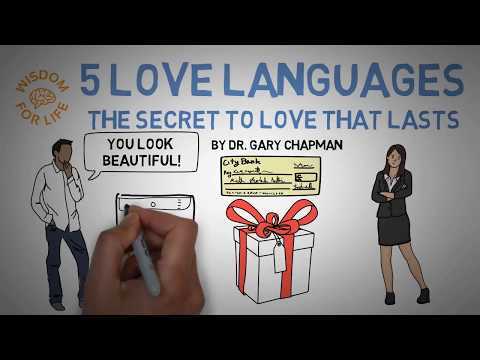
The concept of love languages is kind of fascinating, don’t you think? Basically, it’s about how people express and receive love differently. This idea was popularized by Gary Chapman, who identified **five primary love languages**. But recently, some folks have expanded that to **seven**. Let’s break this down a bit.
Words of Affirmation is one language where people feel loved through kind words and compliments. You might know someone who’s just beaming when you tell them how great they are or notice something nice about them. It’s like giving their heart a little boost!
Then there’s Acts of Service. This one focuses on actions rather than words. If someone rubs your back after a long day or helps out with chores, that can speak volumes. Imagine coming home to find the kitchen clean—doesn’t that warm your heart? It’s like they’re saying, “I care about you.”
Receiving Gifts is another biggie! This doesn’t mean people are materialistic; it’s more about the thought behind the gift. A small token can mean so much if it shows you really thought about the person. Like if your friend picks up your favorite candy just because—they’re telling you they see you.
Next up is Quality Time. This one’s all about being present with each other, without distractions. Ever been on a date where both of you are glued to your phones? Yeah, not cool if Quality Time is your thing! Think cozy movie nights where you just enjoy each other’s company—priceless.
Physical Touch speaks for itself in many ways—it’s hugs, hand-holding, and physical closeness that create an emotional bond. Sometimes just holding hands can give reassurance and security in a relationship.
Now for the two extra love languages that some people tie into this mix:
Cognitive Connection, which involves discussing thoughts and ideas deeply; this can strengthen intellectual bonds between partners.
And then there’s Emotional Availability, where being open about feelings fosters intimacy and trust between lovers.
Understanding these love languages can truly transform how we connect with others! When you know what language speaks to someone—or even yourself—you can communicate much better in relationships. It helps prevent misunderstandings that often pop up when we assume everyone feels loved the same way we do.
So if you’re feeling off in a relationship, maybe check in: Are you both speaking the same language? If not, it might just help to adjust how you’re showing love or expressing needs. After all, relationships thrive on understanding and connection!
Understanding the Psychology of Love Languages: How Communication Shapes Relationships
When you think about relationships, communication is like the glue that holds everything together. But not all communication is created equal. That’s where love languages come in. You see, they’re basically how we express and receive love, and understanding these can really shape how you connect with someone.
The five main love languages are often referred to as: Words of Affirmation, Acts of Service, Receiving Gifts, Quality Time, and Physical Touch. Each one reflects a unique way of showing affection. If you know your partner’s primary love language, it can make a world of difference.
- Words of Affirmation: This language is all about verbal expressions. If compliments and kind words light up your partner’s day, that’s their jam! It’s like giving verbal hugs, you know? Just imagine surprising them with a sweet note or saying «I appreciate you» out loud.
- Acts of Service: Some people feel loved when others lend a helping hand. Maybe your partner feels cherished when you take out the trash without being asked or cook dinner after a long day. It shows effort—and that’s super meaningful.
- Receiving Gifts: For those who resonate with this language, it’s not about the price tag but the thought behind it. A little surprise gift can mean so much more than you’d think! Even picking up their favorite snack on the way home can spark joy.
- Quality Time: This one is straightforward: some folks just want to be present together. Whether it’s binge-watching a series or taking a walk while chatting about life, being intentional with time together helps reinforce that bond.
- Physical Touch: For many, physical affection speaks volumes—think hugs, kisses, or cuddling on the couch. It’s like an emotional lifeline that can strengthen intimacy in ways words sometimes can’t reach.
The cool part is that we all have our primary and secondary love languages; they’re layered like an onion! However, misunderstanding or mixing these up can lead to miscommunication or hurt feelings in a relationship. Imagine getting frustrated because your partner only gives gifts but doesn’t say “I love you” enough when what you crave are those affirming words!
You might find your love language clashes with your partner’s in everyday situations. For instance, if you’re really into quality time but your partner thrives on acts of service—like making dinner instead of sharing takeout on the couch—it could create tension without either side realizing why.
A great way to navigate this? Talk about it! Ask each other what makes you feel loved and appreciated most often; don’t be shy! Sharing this knowledge isn’t just enlightening; it’s like adding tools to your relationship toolbox!
The psychology behind love languages isn’t just theory; it has real-world implications for how we relate to each other every day. Understanding this could even lead to deeper connections and less conflict in relationships overall—pretty powerful stuff!
If you’re ever feeling disconnected from someone close to you, take a step back and think about those languages you’ve got going on—you might find out that all it takes to bridge that gap is learning how each other «speaks» love!
Understanding the 7 Love Languages: A Comprehensive Guide to Effective Communication in Relationships
The concept of love languages really helps you understand how you and your partner express and feel love. It’s like a secret code that can make communication smoother in your relationship. So, what are these love languages, anyway? Let’s break it down.
- Words of Affirmation: This one’s all about verbal expressions. Compliments, encouragements, or even just saying «I love you» can make a world of difference. Imagine your partner lights up when you tell them how much you appreciate their cooking or how well they handled a tough situation.
- Acts of Service: Sometimes actions speak louder than words. Doing chores, making dinner, or helping out with tasks shows love in a tangible way. Picture this: after a long day, your partner comes home to find the dishes done—it’s like a little love note without words!
- Receiving Gifts: It’s not about materialism; it’s more about the thought behind the gift. A small surprise can mean so much if it shows you were thinking about them. For instance, bringing home their favorite snack after a long week can really hit home.
- Quality Time: Giving undivided attention is crucial for this language. Whether it’s binge-watching a show together or going out for coffee, being present matters. When you focus on each other without distractions, that connection deepens.
- Physical Touch: This one is pretty straightforward—physical affection matters! Hugs, kisses, holding hands; these gestures show warmth and support. Think about how comforting it feels when you’re feeling down and someone just gives you a hug.
- Affectionate Touch: Similar to physical touch but dives deeper into intimacy and comfort—think cuddling on the couch or playful touches while chatting. It creates this warmth that goes beyond just casual contact.
- Words of Encouragement: This is subtly different from words of affirmation because it focuses on motivation rather than compliments alone. Telling someone «I believe in you» before they take on something challenging can uplift their spirits significantly.
Now, here’s where things get interesting: everyone has their own dominant love language which might not match with their partner’s! This mismatch can lead to misunderstandings if you’re not careful.
Suppose you thrive on warm hugs, but your partner feels loved through words—they might be showering you with sweet messages while you’re craving those cozy cuddles instead! Recognizing each other’s primary love languages can help bridge that gap.
So how do you figure out what yours is? Pay attention to what makes you feel loved and cherished—or even what annoys you when it’s missing! If you’re upset because your partner didn’t compliment your hard work, that could clue you into your preference for words of affirmation.
In relationships, knowing these languages creates room for empathy and intentionality. Communication becomes more effective—you’re basically learning each other’s love habits! When both partners understand this dance of giving and receiving love differently—it elevates the whole relationship experience.
Remember though: understanding these languages is just the first step; practicing them is where the magic happens! Embrace those moments when your partner speaks “your language”—it’ll amplify that bond between both of you!
As simple as it sounds, taking time to learn these styles isn’t just eye-opening; it’s kindling for deeper connections and genuine appreciation in relationships.
You know, when it comes to love, it’s kind of interesting how we all communicate it in different ways. The concept of love languages is like a window into understanding not just how we express love but also how we prefer to receive it. So, there’s this idea that there are seven love languages—kind of a neat framework for navigating relationships.
Let’s say you’re someone whose primary love language is words of affirmation. You totally thrive on compliments and kind words. You feel cherished when your partner leaves little notes or gives you verbal praise. On the flip side, maybe your partner’s all about acts of service. They show their love by doing things for you—like making dinner or helping with chores—and might feel a bit neglected if they don’t see those actions reciprocated.
I remember this one time a friend was feeling pretty down because her boyfriend just wasn’t getting it. She loved hearing him say sweet things, but he thought he was showing his affection by taking her out to dinner on weekends or fixing her car when it needed repairs. He really cared, but she felt like her emotional needs weren’t being met. It was this huge disconnect! It wasn’t that they didn’t care about each other; they just spoke different «languages.»
And then there are the others—gifts, quality time, physical touch, and even the more nuanced ones like emotional support and shared experiences. Each one has its importance in building that connection between partners. That’s what makes these love languages so fascinating! We often take our own preferences for granted and assume everyone thinks like us.
So if your partner is more into physical touch but you’re focused on quality time—you might end up feeling a bit lost if you don’t acknowledge those differences! It’s almost like having two different music playlists playing at once; instead of harmonizing, they end up clashing.
But here’s the cool part: once you get the hang of recognizing your partner’s language while also expressing your own needs—it can totally change the game! It helps you both feel seen and understood. Communication becomes clearer, and guess what? Your relationship grows stronger because you’re meeting each other where you truly are.
In relationships, knowing about these seven love languages can really help highlight those moments that make us feel loved—or maybe even neglected—and learning to adjust can lead to more meaningful connections overall. So just think about what resonates with you and your partner; it’s all about finding that groove together!