You know how sometimes you just feel off? Like, your brain’s a bit fuzzy, or emotions are all over the place? Yeah, that happens to everyone at some point.
Understanding what’s going on in our heads can be a real puzzle. I mean, we all have those days when things just don’t click. You might be anxious for no reason, or maybe you can’t focus at all.
So, let’s chat about those disturbances in mental functioning and behavior. It’s not as scary as it sounds! Basically, it’s about figuring out why we act the way we do when things get messy up there.
Grab a snack or something. We’re diving into how our minds work—sometimes that can feel like trying to untangle earbuds after you’ve stuffed them in your pocket. But once it’s sorted, it makes a lot more sense!
Understanding the Six Types of Emotional Disturbance: A Comprehensive Guide
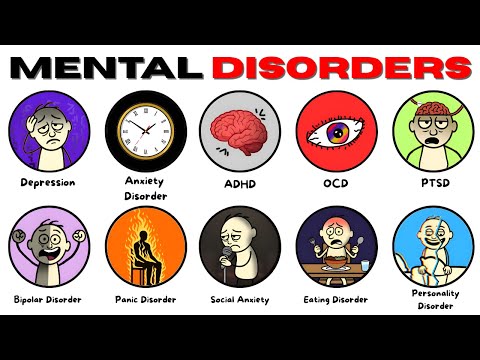
Understanding emotional disturbances can feel like navigating a maze. It’s all about figuring out the different ways our emotions can get tangled up and affect how we behave. Let’s break down six common types of emotional disturbances—this will help clarify what each type looks like in real life and how they can impact you.
1. Anxiety Disorders
These are, well, pretty common. Imagine feeling like there’s a storm brewing inside you for no clear reason. Your heart races, palms sweat, and it feels hard to breathe, even when everything’s fine around you. That’s anxiety at work! Things like generalized anxiety disorder or panic attacks fall into this category.
2. Mood Disorders
This is where things get a bit heavy. Think of mood disorders as roller coasters without the fun part—just the ups and downs that leave you dizzy and confused. People might have episodes of extreme sadness or elation that don’t really match what’s happening in their lives, such as with depression or bipolar disorder.
3. Personality Disorders
These are deeper-rooted patterns that influence how someone thinks, feels, and behaves over time—not just a temporary phase. For instance, someone with borderline personality disorder might experience intense emotions but struggle to maintain stable relationships because their feelings swing drastically from one moment to the next.
4. Psychotic Disorders
When reality gets warped, you’re looking at psychotic disorders. Imagine finding it hard to tell what’s real from what isn’t—like hearing voices or seeing things that aren’t there (hello schizophrenia!). This can really disrupt daily life because it makes basic functioning tricky.
5. Trauma and Stressor-Related Disorders
These emerge when someone goes through something truly overwhelming—think of post-traumatic stress disorder (PTSD) after a car accident or other traumatic event. It can feel like you’re reliving the trauma over and over again, making normal life feel impossible.
6. Adjustment Disorders
Life changes happen all the time; sometimes they’re big—like moving away for college or going through a breakup—and they can be tough! An adjustment disorder happens when someone’s struggling more than expected to cope with these changes but doesn’t fit into other categories we just talked about.
So yeah, recognizing these emotional disturbances is part of understanding yourself better—and that knowledge is power! Everyone experiences moments where their emotions are outta whack; what’s key is knowing there’s support out there for those tough times if you need it!
Understanding the Causes of Mental Disturbance: A Comprehensive Overview
Mental disturbances are a complex web of factors, and understanding them is like piecing together a puzzle. It’s not just one thing that causes issues but often a combination of various elements. So, let’s break this down.
Biological Factors
First off, we have biology. Your genes play a big role in how your brain functions. For example, if someone in your family has had mental health issues, that might increase your chances too. It’s not a guarantee, but it’s something to think about. Furthermore, physical health matters a lot as well. Conditions like brain injuries or diseases can affect mental health too.
Environmental Influences
Then there’s the environment. This includes anything from your home life to your community vibes. If you grew up in a stressful home or dealt with trauma—like losing loved ones or facing abuse—that can mess with how you think and feel later in life. You know how some people seem to bounce back from hard times better than others? A lot of that comes from their past experiences and support systems.
Cognitive Patterns
Next up: cognitive patterns. This is all about how you think and interpret the world around you. If you’re always thinking negative thoughts—as if you’re stuck on that one bad song—you might find yourself more prone to anxiety or depression. Like when I thought I was terrible at drawing because my friend was amazing at it! The incessant comparison made me feel less than worthy until I realized everyone has their own path.
Emotional Factors
And don’t forget emotions! Sometimes feelings can run wild and lead to disturbances in our mental state, right? If you find it hard to handle things like anger or sadness properly, that can create real chaos inside your head.
Sociocultural Aspects
Let’s not overlook sociocultural aspects! Different cultures have different ways of dealing with mental challenges—you know? Some societies may stigmatize mental illness more than others, which can push people away from seeking help or talking about their struggles.
The Role of Stress
Stress is another huge player here; it’s kind of like that annoying friend who just won’t leave you alone! Constant stress can lead to burnout, anxiety disorders, or even depression over time if left unaddressed.
In summary, understanding the causes of mental disturbance is multi-faceted—biological factors entwined with environmental influences, cognitive patterns linked to emotions plus sociocultural backgrounds all play key roles. It’s like juggling a bunch of balls; drop one and it affects everything else too!
Understanding the Four Key Factors Contributing to Emotional Disturbance Symptoms
Emotional disturbances can be complex. Seriously, like trying to solve a puzzle with missing pieces. There are four key factors that often contribute to these symptoms. Let’s break them down, shall we?
- Biological Factors: This includes things like genetics and brain chemistry. If someone in your family has struggled with mental health, you might be at a higher risk too. It’s not just about being “crazy” or something; it’s more like your body has a different playing field when it comes to emotions.
- Nurture and Environment: This factor covers your childhood experiences, traumas, or even the environment you grew up in. For example, if you had a rough upbringing or faced bullying, that can leave some pretty deep emotional scars that stick around longer than you’d think.
- Cognitive Patterns: How you think about yourself and the world around you plays a huge role in emotional disturbances. If you’re constantly thinking negative thoughts or overgeneralizing situations—like thinking “I’ll never be good enough”—you’re setting yourself up for struggle.
- Social Influences: The people around you matter more than you realize! Stress from work, relationship issues, or feeling isolated can ramp up emotional disturbances. It’s like being in a toxic cloud where everything feels heavier than it should.
Now, let me share a quick story! Imagine someone named Sarah. Growing up, she had parents who fought constantly (that’s the nurture part). On top of that, she inherited anxiety from her mom (hello biology!). She often thought she was destined to fail at everything (cognitive patterns), and her friends started drifting away as they all got busy with their lives (social influences). All these factors piled on top of each other created a perfect storm for Sarah’s emotional struggles.
The key takeaway? Understanding these factors is super important if you want help navigating through emotional disturbances. Recognizing where they come from can make it easier to tackle them head-on instead of feeling overwhelmed by them.
When we talk about disturbances in mental functioning and behavior, it’s essential to realize that it’s a pretty complex topic. Think about it: our minds are like intricate machines, each part working together in harmony, usually. But sometimes, oh man, something goes awry.
You might remember a time when you felt foggy or unable to focus. Maybe you were trying to study for exams but your mind kept wandering off into daydreams about what you’d have for dinner instead of the material at hand. That can happen due to stress, lack of sleep, or even just a hectic lifestyle. When these disturbances creep in regularly, they can really mess with your daily life.
So here’s the deal: mental disturbances can show up in many ways. You might notice changes in mood—like feeling down for no reason or snapping at friends over little things. Or maybe you feel anxious in situations that don’t require it—like when you’re just hanging out with pals but still get those butterflies in your stomach. It’s interesting how our minds sometimes play tricks on us, right?
Let’s not forget about behavior changes either. Someone who used to be super social might suddenly become a hermit just binge-watching shows alone on the couch. This shift can be alarming not just for them but also for the people around them. Those close to them might wonder what happened or if they did something wrong.
There was this one time I had a friend who turned into a total recluse after some tough stuff happened at work. At first, I thought they were just taking some time for themselves—but weeks passed and I began to worry. It was hard seeing someone I knew as lively transform into someone so withdrawn all because their mental gears weren’t clicking quite right anymore.
Understanding these disturbances means recognizing that everyone’s experience is unique; what works for one person may not work for another at all. Sometimes it’s biological; perhaps an imbalance of chemicals like serotonin is involved, which can affect mood and energy levels significantly.
But then there are psychological factors too—past experiences can shape how we react today! For instance, if someone had a tough childhood filled with chaos and unpredictability, coping mechanisms might kick in as adulthood arrives; sometimes those mechanisms aren’t healthy ones.
At the end of the day, acknowledging these issues is crucial—both for ourselves and others around us. It’s okay to reach out or lean on your support system when things get heavy. Remembering that being open about mental health isn’t a weakness; rather it’s part of being human—and trust me, we all have our moments where everything feels like too much!