You know that feeling when you’re craving a snack but can’t figure out what? It’s kind of like how we, as humans, are driven by different needs.
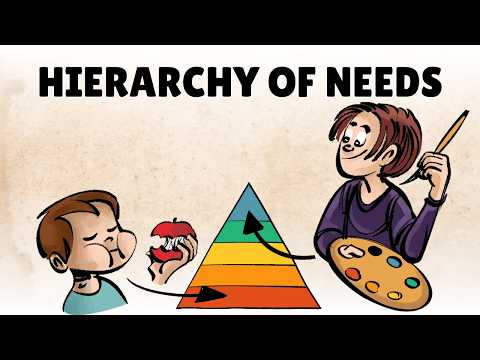
Maslow’s Hierarchy is this cool model that shows us what motivates us. Imagine it as a ladder where each step represents something we need to feel fulfilled.
First, you’ve got the basics, like food and safety. Then you climb higher to love and belonging, all the way up to self-actualization, where you become the best version of yourself.
It’s pretty wild how these layers connect and affect our daily lives! Want to see how they all fit together? Let’s break it down!
Understanding Maslow’s Hierarchy of Needs: Comprehensive PDF Guide and Resources
Sure! Let’s break down Maslow’s Hierarchy of Needs. It’s a cool framework that helps us understand what drives human motivation. Basically, it’s like a pyramid where each level represents different needs that we all have, from basic survival to self-fulfillment.
1. Physiological Needs
At the base of the pyramid are physiological needs. These are the stuff you literally can’t live without. Think food, water, warmth—you know, the essentials for survival. If these needs aren’t met, it can be super hard to focus on anything else.
2. Safety Needs
Once those basics are covered, you move up to safety needs. This is about feeling secure in your environment and your life. Things like personal security, health, and financial stability come into play here. If you’re constantly worried about your safety or job, it’s tough to feel at ease.
3. Love and Belongingness Needs
The next level is all about connection with others—love and belongingness needs. We crave relationships and friendships, right? Feeling accepted by family or friends really boosts our mood and makes us feel all warm inside.
4. Esteem Needs
After you’ve got love sorted out, there’s this need for esteem—wanting respect from others and also self-respect. You want to feel valued for what you do or who you are. Achieving goals or getting recognition is a big part of this stage.
5. Self-Actualization Needs
Finally, there’s self-actualization at the top of the pyramid. This is where things get interesting! It’s about realizing your full potential and pursuing personal growth, creativity, and peak experiences. You might find yourself wanting to take risks that help you grow or express yourself in unique ways.
What makes Maslow’s idea so relatable is that it suggests we can’t jump to higher-level needs without satisfying those below them first—makes sense right? Like if you’re starving (physiological) it’s hard to care about making friends (love).
People often use this model not just in psychology but also in education or even business strategies! A boss who recognizes their employees’ need for belongingness might create team-building events that help strengthen those connections.
So yeah, Maslow’s Hierarchy illustrates how our motivations are layered pretty beautifully! Understanding it can give valuable insights into our own behaviors and choices every day.
Understanding Maslow’s Hierarchy of Needs: Implications for Legal Practices and Client Relationships
So, you want to understand Maslow’s Hierarchy of Needs? It’s a classic psychological theory that breaks down human motivations into a neat little pyramid. At the bottom are basic needs like food and safety, moving up to higher-level needs like belonging and self-actualization. It’s pretty interesting stuff and can really affect how people interact in various settings, including legal practices.
Basic Needs
At the very base, you’ll find physiological needs. These are your essentials for survival—think food, water, shelter. Without these met, people can’t focus on anything else. In a legal context, a client struggling to meet these basic requirements might not be able to fully engage with their case or decisions.
Then comes Safety Needs. Once you have food on the table, it’s all about feeling secure—whether that’s financial security or personal safety. For legal professionals, understanding this is key when dealing with clients who might be facing threats or instability. If someone feels unsafe in their environment due to legal issues—like domestic violence—it’s harder for them to build trust with their attorney.
Next up is Belongingness and Love Needs. Here’s where it gets more emotional. We all crave connection and acceptance from others. In legal practice, if a client feels isolated or alienated from their community or family during a case, it can affect the outcome. Building rapport is essential!
Once those social needs are met, we hit Esteem Needs. This is all about self-esteem and feeling valued by others. Imagine being in a courtroom where you feel undervalued; it affects how you present yourself and what decisions you make. A lawyer who helps a client feel respected can totally shift the dynamics of that relationship.
Finally, we reach the peak—Self-Actualization. This is about realizing one’s full potential: pursuing dreams or achieving personal goals. In legal practices, empowering clients to voice their aspirations can lead to more satisfying outcomes for everyone involved.
- Understanding Client Motivations: Grasping where your client stands on this hierarchy helps tailor your approach.
- Cultivating Trust: Meeting emotional needs fosters trust; clients open up more when they feel safe.
- Pursuing Holistic Solutions: Acknowledging all levels of need helps create more comprehensive legal strategies.
- Enhancing Communication: Clear discussions around these needs improve collaboration between lawyers and clients.
Basically, recognizing where clients fall within this hierarchy allows for more empathetic interactions in legal settings. When you’re aware of what they’re going through emotionally and practically—which Maslow lays out so neatly—you’re better equipped to address both their immediate concerns and long-term goals!
Understanding Human Motivation: Download the Comprehensive PDF Guide
Understanding human motivation can be a bit like peeling an onion. There are layers and layers, and sometimes you might even shed a tear or two. At the heart of this is Maslow’s Hierarchy of Needs, which is like a roadmap for what drives us.
Maslow’s Pyramid: Picture a pyramid with five layers. Each layer represents different needs that motivate our behavior. You start at the bottom with basic needs and work your way up to higher-order needs.
- Physiological Needs: These are the essentials – food, water, warmth. If you’re hungry or thirsty, it’s hard to think about anything else.
- Safety Needs: Once your basic needs are met, you crave safety. This includes physical safety and financial stability.
- Love and Belongingness: Next up is the need for social connections. Humans are social creatures! We need friendships, family ties, and even romantic relationships.
- Esteem Needs: This layer is about self-esteem and respect from others. You want to feel valued and recognized for your accomplishments.
- Self-Actualization: At the very top is self-actualization, where you seek personal growth and fulfillment. Here’s where creativity often flourishes!
So, let’s dig into why this matters! Think about a time when you were stressed or anxious. Maybe it was during finals week in college or when you had that big presentation at work. When your physiological or safety needs feel threatened, it can cloud everything else. You can’t really focus on showing off your creativity if you’re worried about your paycheck!
Now consider a person whose basic needs are met but feels lonely—a classic example of someone stuck between love/belongingness and esteem needs. They might have all the material things they want but still crave genuine connections with others.
And here’s where it gets even more interesting: motivation isn’t static! It changes based on life circumstances. Like when you get laid off from work—suddenly those safety needs jump back into focus because you’re worried about how to pay bills.
It’s also worth mentioning that not every culture prioritizes these needs in the same way; for example, in some communal cultures, love and belongingness might be at the forefront while individual achievement takes a back seat.
In summary? Understanding human motivation through Maslow’s Hierarchy gives insights into why we act the way we do—and how our environment shapes those actions. Whether it’s needing food before tackling life goals or craving connection beyond just survival, being aware of these layers helps us understand ourselves better—and each other too!
Maslow’s Hierarchy of Needs is like a big ol’ map of what drives us as human beings. You know, thinking about it, it’s pretty relatable. Picture this: when you’re feeling stressed about bills or maybe your living situation, it’s almost impossible to focus on anything else, right? That’s the bottom tier of Maslow’s pyramid—basic needs like food, water, and shelter. It’s kind of wild how those fundamental things shape our day-to-day.
Now, once those basics are covered (thank goodness for that!), we move up the pyramid a bit. There’s safety and security next. Think about how comforting it feels to have a stable job or a secure home base. It’s like finding that cozy spot on a couch where you just sink in and feel at ease. You can finally breathe a little easier.
Then comes the social stuff—the need for love and belonging. The people around you matter so much here! It’s all about friendships, family ties, romantic relationships—you name it. Remember that time when you got into a new group? At first, it can feel awkward trying to fit in, but once you find your groove with them? Magic happens! It’s all part of our natural need to connect.
Once you’ve got those relationships sorted out—when you’re feeling loved and accepted—it opens up room for self-esteem and recognition. Ever finally nailed that presentation at work or received praise from friends? Feels amazing! That sense of achievement really boosts your confidence and makes you want to reach higher.
Finally, there’s the top-tier stuff: self-actualization. This is where things get really personal—a lot of folks describe this as becoming who you’re meant to be or following your dreams. Picture an artist creating their masterpiece or someone pursuing their passion in life; it’s raw fulfillment happening right there!
But here’s the kicker: not everyone moves through this pyramid in a linear way. Life throws curveballs at us—maybe you lose your job or have relationship problems—and suddenly you’re back down focusing on those basics again. It makes total sense when you think about it; our motivations shift depending on where we are in life.
So yeah, Maslow’s model gives us some insight into why we do what we do. It’s kind of comforting to know that our struggles align with something bigger than just «feeling off.» In the end, I guess we’re all just trying to climb that pyramid in our own unique ways!