Alright, let’s talk about that thing called motivation. You know, that driving force behind why we do what we do? Sometimes it feels like a mystery, right?
Enter Maslow’s Hierarchy. It’s like this cool pyramid of needs that helps explain all the stuff going on inside our heads. It’s not just a theory; it kind of resonates with real life.
Imagine feeling super hungry or lonely. Or maybe you’ve chased after your dreams but needed a little validation along the way. That’s the vibe Maslow was onto!
This whole hierarchy breaks it down in such a relatable way. So, buckle up! We’re gonna explore how this concept can shed light on what makes us tick.
Understanding Human Motivation Through Maslow’s Hierarchy: Insights and Implications
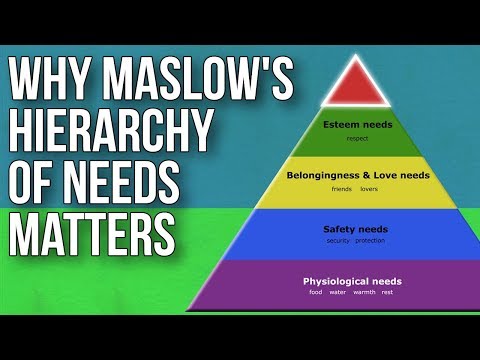
Understanding what drives us can be kind of a puzzle, right? Well, that’s where Maslow’s Hierarchy of Needs comes in. It’s like this pyramid that helps us see the different layers of motivation in our lives. At its core, it shows how we’re wired to pursue certain needs before others.
So, the hierarchy starts at the bottom with physiological needs. These are our basic survival needs: food, water, warmth, and shelter. If you’re starving or freezing, how can you think about anything else? It’s like when I had this crazy week and was so busy that I forgot to eat—my brain was just totally fried!
Moving up the pyramid, we hit safety needs. This means feeling secure in your environment—both physically and emotionally. Think about it: if you’re always worrying about losing your job or feeling unsafe at home, it’s hard to chill out and focus on other things in life.
Next up is love and belonging. Here’s where relationships come into play! We crave connection with others—friends, family, partners—because feeling loved makes us feel happy and fulfilled. You’ve probably experienced that amazing moment when you hang out with friends and just laugh together; it feels good to belong somewhere!
Then we get to esteem needs. This is all about self-worth and respect from others. Everyone wants to feel valued! Maybe you’ve worked really hard on a project at work only for your boss to give you a shout-out; suddenly you feel great about yourself!
And finally, at the top of the pyramid is self-actualization, which is all about reaching your full potential. This might look different for everyone—maybe it’s pursuing a passion or achieving personal goals. I once knew someone who quit their stable job to become an artist because they felt like they needed that creative outlet—it was risky but also super inspiring!
But here’s something interesting: not everyone pursues these needs in order. Sometimes people prioritize love over safety or even creativity over basic survival; life isn’t always a straight line!
So what can we learn from Maslow’s model? Well, understanding these motivations helps us comprehend why people behave the way they do. For example:
- When someone seems anxious or aggressive, maybe their safety needs aren’t being met.
- If a friend seems withdrawn or sad, perhaps they need more love and connection.
- You might notice someone striving for success at work because they’re looking for respect and self-esteem.
In turn, this understanding can guide how we help ourselves and others meet those crucial needs more effectively. It empowers us to recognize when something feels off in our lives—like missing connections or unfulfilled dreams—and motivates change.
Maslow’s Hierarchy isn’t perfect—it has its critics—but it’s still an insightful framework for thinking about human motivation! So next time you’re wondering why you (or someone else) might be acting a certain way, remember this hierarchy; it could give you some clarity on what truly matters most!
Citing Maslow’s Hierarchy of Needs: A Comprehensive Guide for Legal and Academic Writing
Maslow’s Hierarchy of Needs is a psychological theory that folks often reference, especially in academic and legal writing. This model, created by Abraham Maslow, suggests that humans are motivated by a series of hierarchical needs, ranging from basic physical necessities to complex psychological desires. Let’s break it down.
First off, the hierarchy is usually depicted as a pyramid. At the bottom are the most essential needs:
- Physiological Needs: These include food, water, shelter, and sleep. Without them, it’s tough to focus on anything else.
- Safety Needs: Once physiological needs are met, people seek safety and security—think health insurance or living in a safe neighborhood.
- Love and Belongingness: Next up are emotional needs like friendships and family connections. You might remember times when you felt left out; that’s where this need comes into play.
- Esteem Needs: This involves self-esteem and respect from others. Achieving personal goals or getting recognition at work can really boost this area.
- Self-Actualization: This is about reaching your potential—pursuing personal growth or creative activities. It’s where people find deep satisfaction.
In legal writing or academic contexts, citing Maslow can clarify arguments about human behavior and motivations. For instance, in employment law cases involving workplace discrimination, understanding that workers seek esteem could inform how one frames their argument.
When using this hierarchy in writing:
- Cite sources early: Provide foundational texts or research that supports Maslow’s theory to give weight to your arguments.
- Add context: Relate the specific need to the situation you’re discussing—if it’s about employee motivation or consumer behavior.
- Acknowledge critiques: Some scholars have pointed out limitations within Maslow’s framework—discuss these if relevant to your topic!
Look at it this way: when you work on an argument related to human motivation, linking back to Maslow can make your points feel more grounded. Just remember that while his hierarchy is influential, it’s not the only game in town.
So there you go! Using Maslow’s Hierarchy of Needs effectively in legal or academic writing isn’t just smart; it’s also a powerful way to understand what drives people in different situations. And with each layer of the pyramid providing insight into motivations, you can build compelling narratives around human behavior!
Evaluating the Relevance of Maslow’s Hierarchy of Needs in Today’s Psychological Landscape
Maslow’s Hierarchy of Needs is one of those theories that still gets talked about a lot, even though it’s been around for decades. So, let’s break it down and see how relevant it really is today.
First off, the idea is pretty simple: you have to meet certain needs before you can tackle higher ones. Think of it as a ladder. At the bottom, you’ve got physiological needs, like food and shelter. But as you climb up, you hit things like love and belonging, esteem, and finally, self-actualization at the top.
Now, here’s where it gets interesting. In today’s world, we deal with a ton of stress factors that Maslow might not have fully anticipated. For example:
- Economic instability: Many people are scrambling to meet those basic physiological needs due to job loss or rising living costs.
- Social media: It plays a huge role in our sense of belonging and esteem now. A “like” can feel like validation or rejection.
- Mental health awareness: We’re more open about mental health issues now than ever before, which impacts our quest for self-actualization.
Let me tell you a quick story here. A friend of mine lost their job during the pandemic and suddenly was worried sick about where his next meal would come from. That pushed all other thoughts aside—the need for social acceptance or personal growth took a backseat when survival was at stake.
It also raises an important question: Is Maslow’s ladder a strict hierarchy?. Some experts argue that we don’t always climb neatly from one level to another; people can experience higher-level needs even when basic ones aren’t met. You might still seek out friends (a higher need) while struggling just to pay rent (a lower need).
Moreover, in today’s multicultural society, Maslow’s theory doesn’t account for different value systems across cultures. For instance, some cultures place family above individual success; hence their pursuit of self-actualization may look very different compared to someone raised in an individualistic culture.
Also—and this is crucial—mental health issues complicate everything! Anxiety or depression can mess with your motivation on any level of that hierarchy—not just the base levels but all the way up.
So yeah, while Maslow’s Hierarchy provides a solid foundation for understanding human motivation and behavior, its application isn’t cut-and-dry anymore. We gotta take into account modern realities like technology’s influence on social connections and how cultural contexts shift our priorities.
In sum, Maslow’s framework still has its merits but definitely requires updating to remain relevant in today’s diverse psychological landscape!
Maslow’s Hierarchy of Needs is one of those concepts that just sticks with you. You know? It’s like this simple pyramid that maps out what drives us as humans. So, picture it: at the base, you’ve got the basics—food, water, shelter. Yeah, those are the must-haves for survival. When I think about it, I remember a friend who, during college, struggled to pay rent and buy groceries. All that stress made it hard for her to focus on anything else. That struggle put her right back in the basics of Maslow’s pyramid.
As you start moving up this pyramid, things get a bit more layered—like an onion or something. The next level is about safety and security. That’s when we start wanting stability in our lives—like a solid job or feeling safe in our neighborhoods. You can almost feel how important that is when life gets chaotic.
Then comes social needs—the love and belonging stuff. Think friends, family, relationships; this is where human connection really kicks in. Do you ever watch people light up at a reunion or get all emotional over a wedding? That’s those social needs being fulfilled right there! It feels good to be part of something bigger than yourself.
After that, we climb to esteem needs: self-esteem and respect from others. That’s where you start wanting recognition for your contributions—maybe it’s nailing a project at work or getting praised by friends when you’ve accomplished something significant. You totally want that pat on the back sometimes!
Finally—drum roll—we reach self-actualization; this is where things get really interesting! It’s all about being your best self and achieving your full potential. Do you know that feeling when you’re completely ‘in the zone’? Like when you’re deep into a hobby or passion project? That’s the magic of self-actualization speaking!
The thing is, not everyone climbs this pyramid in order or even makes it all the way to the top at times; life can throw curveballs that knock us back down again. Maybe you’re doing well socially but struggling with esteem issues—or maybe you’re safe but craving deeper connections.
So yeah, understanding Maslow’s model can help us make sense of what motivates us and why we might feel stuck sometimes! It reminds us that we’re not just wandering around aimlessly; we’re all trying to satisfy these needs at different levels throughout our lives—and maybe that’s something worth thinking about as we go through our days.