You know that feeling when you’ve just had a rough day? Like, you can’t focus on anything because your stomach’s growling, or you’re just feeling kinda down? Well, there’s this dude, Abraham Maslow, who came up with a pretty cool idea about our needs.
He thought that before we can really chase dreams or feel happy, we gotta cover some basic stuff first. Think of it like a ladder. You can’t climb to the top without hitting those bottom rungs first.
It’s all about understanding what drives us as people. From food and safety to love and self-actualization—yeah, it’s kind of a big deal. So let’s break it down and see how this pyramid works in real life! Sound good?
Understanding Maslow’s Hierarchy of Needs: A Psychological Perspective on Human Motivation
Maslow’s Hierarchy of Needs is basically a big idea about what pushes us as humans to do stuff. Think of it like a ladder, with five rungs that represent different levels of needs. You can’t really climb to the top without first taking care of the ones below it. So let’s break it down, shall we?
1. Physiological Needs
These are your basic survival needs like food, water, sleep, and shelter. Imagine you’re super hungry and haven’t eaten all day; your brain’s only focus is finding something to eat! It’s hard to think about anything else when your stomach is grumbling, right?
2. Safety Needs
Once you’ve got your tummy full, you start thinking about feeling safe and secure. This can mean having a roof over your head or knowing you won’t get kicked out of your place. It’s also about emotional safety—feeling secure in relationships or at work. If you feel threatened in any way, you’re not gonna be thinking about self-growth—you’re just looking for safety.
3. Love and Belongingness
Next up is the need for love and connection with others. We all crave friendships, family ties, and even romantic connections. Think back to a time when you felt alone—maybe during a tough breakup or moving to a new city. That longing for connection can be powerful.
4. Esteem Needs
After we’ve got our buddies around us, we want respect and recognition from others—and even from ourselves! This includes things like feeling accomplished at work or being appreciated by friends and family. When those needs are met, you walk around feeling more confident; but if they’re not? You might feel pretty down on yourself.
5. Self-Actualization
At the tippy top of the ladder is self-actualization—the desire to be the best version of yourself possible! This isn’t just reaching goals; it’s about pursuing personal growth and finding meaning in life. Think an artist creating their masterpiece or a scientist making a groundbreaking discovery—it’s all about reaching that potential.
It’s important to note that these needs don’t always go one after another perfectly; sometimes they overlap or get messy! Like if you’re stuck in an unsafe situation but still find ways to connect with friends online—it’s all part of being human.
Maslow really helped shape how we view motivation in everyday life by showing that there’s more than just one reason why people do what they do—it often starts with basic needs before moving toward deeper desires for love or self-fulfillment.
So next time you’re feeling off balance in life, take a second to reflect on where you might be on this pyramid! You may find out why certain areas feel neglected while others shine bright.
Download Maslow’s Hierarchy of Needs PDF: Comprehensive Guide and Insights
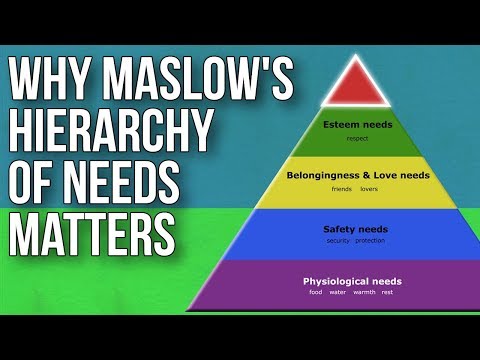
Maslow’s Hierarchy of Needs is one of those concepts that really gets you thinking about what drives us as humans. Picture a pyramid, right? At the bottom are our most basic needs, and at the top are those deeper desires that can feel more abstract.
So, let’s lay it out. The pyramid has five levels:
- Physiological Needs: These are your must-haves for survival: food, water, warmth, and rest. Without these, it’s tough to focus on anything else.
- Safety Needs: Once you’re fed and hydrated, you want security—like a safe home or job stability. It’s about feeling protected from harm.
- Love and Belongingness: This level is all about social connections. You crave friendships, family ties, and intimate relationships. Feeling loved is key here.
- Esteem Needs: Here you’ve got two parts: self-esteem (feeling good about yourself) and esteem from others (recognition and respect). It makes you feel valued.
- Self-Actualization: This is where you reach your full potential. You want to grow personally and creatively—like pursuing hobbies or dreams.
Now, what’s interesting is how these needs build on each other. If you’re struggling to get enough sleep or food (physiological), you’re probably not gonna be thinking about self-esteem or lofty goals like self-actualization.
Think about times when you’ve felt overwhelmed—like during finals week in college. You know if you haven’t eaten well or rested enough, everything else can fall apart pretty quickly!
Then there’s this idea of moving up the pyramid: once one set of needs is met, you start focusing on the next level up. But not everyone moves through in the exact same order; life can throw curveballs that shuffle things around a bit.
It’s also worth noting that some people might even skip levels altogether! For example, if someone finds a deep sense of purpose through their work (self-actualization), they might not feel as concerned about safety needs for a while.
Understanding this framework helps us see why we behave the way we do, whether it’s driven by hunger (literally) or thirst for connection with others. So when you’re feeling off or lost sometimes? Maybe check in with where you’re standing on Maslow’s pyramid!
Understanding Maslow’s Hierarchy of Needs: A Comprehensive Guide to Its Theory and Applications
Maslow’s Hierarchy of Needs is like a roadmap for understanding what drives us humans. Imagine you’re climbing a mountain, and every step you take gets you closer to the peak which represents your fullest potential. Well, Maslow laid out this idea in a pyramid shape, and each level represents different needs we want fulfilled.
At the bottom of the pyramid, we find physiological needs. These are the basics: food, water, shelter, and sleep. Without them, it’s tough to focus on anything else. Remember those late-night study sessions when you just couldn’t keep your eyes open? That’s because your body was screaming for rest!
Next up is safety needs. This is all about feeling secure in your environment. Think about it—if you’re constantly worried about losing your job or feeling unsafe in your neighborhood, it’s hard to even think about anything beyond that.
Then comes love and belongingness. This level is where friendships, family bonds, and romantic relationships come into play. When you feel like you’re part of something, whether it’s a group at school or a tight-knit family, it boosts your emotional health immensely.
Now we hit esteem needs—it’s all about self-respect and respect from others. You know that feeling when you get praised for doing good work? Or how great it feels to achieve something significant? That’s what this stage taps into.
Finally, we reach self-actualization at the top of the pyramid. Here’s where things get personal! It’s all about realizing your full potential and pursuing creativity and personal growth. Maybe you’ve always wanted to paint or travel the world; that drive comes from this level!
In real-life application, think about how businesses use this hierarchy. Companies often try to meet their employees’ basic needs first – like fair wages (physiological) and safe working environments (safety). Once those are set, they can foster team bonding (love) or recognize achievements with awards (esteem), ultimately encouraging people to thrive in their roles (self-actualization).
Maslow’s framework isn’t just academic; it’s applied across various fields! In education, teachers consider these levels when developing lesson plans by ensuring students feel safe before they can engage deeply with learning material.
Understanding Maslow’s Hierarchy of Needs helps us see why people behave the way they do—whether it’s chasing after promotions or seeking companionship—and why sometimes they struggle at different points in life! To wrap up: Remember that climbing this pyramid isn’t always straightforward; people might have different experiences based on their circumstances. What drives one person may be entirely different for another!
You’ve probably heard of Maslow’s Needs Pyramid, right? It’s that famous visual that looks like, well, a pyramid with different layers. At the bottom are basic needs, and as you climb up, it gets all fancy with things like self-actualization. It’s a pretty neat way to think about what drives us.
When I first learned about it, I remember feeling kind of blown away. Like, wow! There’s this whole structure to what we humans need to feel fulfilled and happy! Think about it: at the base are things like food and shelter. I mean, if you’re starving or freezing, it’s tough to focus on anything else. That’s totally relatable; I’ve had days where just a good meal can lift my mood immensely!
Then you move up to safety—like knowing you’ve got a roof over your head or a steady job. So many people struggle with that, especially nowadays. You know when there were those uncertainties during the pandemic? It really brought this layer into sharp focus for so many folks stressing about job security and health concerns.
After that comes love and belonging. This one hits home too. Connections—friends, family—they’re fundamental for us as social beings. Just think of those moments when you’re chilling with your buddies or having a heart-to-heart with someone special; it’s just golden! If we don’t feel loved or connected in some way, everything else feels kinda off.
Next is esteem; that need for recognition and respect can really shape how we see ourselves too. Like when you’ve worked hard on a project and finally get that pat on the back—there’s such an incredible boost from it! But when we feel unappreciated? Man, it’s heavy.
And then there’s self-actualization—the top tier where you’re not just getting by but truly thriving! It’s where your potential comes alive; maybe you’re painting your masterpiece or finding your purpose in life—whatever that might look like for you personally.
But here’s the kicker: life isn’t always linear in following this pyramid. You can find yourself bouncing around between levels depending on circumstances—and that can be stressful! One minute you’re focused on your dreams, and then bam—you lose your job or face personal challenges that knock you back down to basic needs again.
So yeah! Maslow’s framework is super insightful because it captures our desires in this simple yet profound way. And while climbing through this pyramid might seem straightforward on paper, real life is full of twists and turns that make things messy but also beautifully complex!