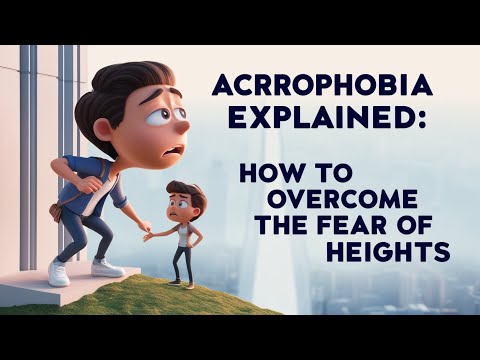
You know that feeling when you’re standing at the edge of a tall building? Yeah, that weird mix of excitement and dread. That’s acrophobia for you.
It’s not just a fear of heights; it’s like your mind throws a full-on panic party every time you’re up high. Like, who needs that?
Picture this: you’re on a roller coaster, and as it climbs higher, your stomach drops like a stone. But for some people, that ride is pure nightmare fuel. Let’s dig into what’s going on in those minds.
We’ll explore the why behind those fears and maybe pick up some handy insights along the way. Sound good? Let’s jump in!
Understanding Acrophobia Symptoms: Identification and Management Strategies
Acrophobia is the intense fear of heights, and it can really mess with your head. Imagine standing on a balcony of a tall building—your palms get sweaty, heart races, and you might even feel dizzy. That’s the kind of situation where acrophobia shows its ugly face.
Symptoms can vary from person to person. Some folks might experience physical symptoms like:
- Rapid heartbeat
- Nausea
- Trembling or shaking
- Sweating
- Dizziness or lightheadedness
Then there are the emotional symptoms. You know, feelings that come rushing in when you think about heights:
- Panic or anxiety attacks
- A voidance of situations where you’re high up
- A sense of dread before facing places like bridges or tall buildings
You might even find yourself avoiding activities that involve heights altogether—like skydiving or taking a scenic viewpoint tour! It can really limit your sense of adventure.
Now, identifying acrophobia just means recognizing these symptoms in yourself or someone else. If every time you see a flight of stairs leading to a tall lookout point you start panicking, well, it’s time to take stock.
Managing this fear is all about taking baby steps—literally! Here are some strategies that might help:
- Exposure Therapy: This involves gradually exposing yourself to heights in a controlled way. Maybe start by looking out from your balcony before progressing to higher floors.
- Relaxation Techniques: Breathing exercises can slow down your heart rate and calm those pesky nerves when facing heights.
- Cognitive Behavioral Therapy (CBT): This helps change negative thought patterns associated with heights, so they don’t trigger panic anymore.
- Support Groups: Talking to others who get it can be super helpful—you’re not alone in this!
Here’s the thing: overcoming acrophobia is definitely possible, but it takes time and patience. It’s not just about facing your fears; it’s about understanding what drives them in the first place. Maybe something happened in your past—like an embarrassing fall—that sticks with you.
So if you know someone struggling with acrophobia or if it hits home for you, don’t hesitate to explore these management strategies together. Remember, even small victories at height can give a huge boost to confidence!
Understanding Visual Height Intolerance: Causes, Symptoms, and Legal Implications
So, visual height intolerance is kind of a big deal if you think about it. It’s like when you look down from a high place and suddenly feel this rush of panic. But what really causes this fear? Let’s break it down.
Causes: There are a few potential reasons behind visual height intolerance. Genetics can play a role; if someone in your family has similar issues, chances are you might too. Another factor could be past experiences, like having fallen or nearly fallen from a height before. That stick with you! Also, sometimes it’s linked to other anxiety disorders. You might not just fear heights but also experience generalized anxiety.
- Anxiety responses: Your body reacts to the sight of heights as if there’s danger, which isn’t exactly helpful.
- Balance issues: Some people might have a hard time with their inner ear or balance mechanisms, making heights feel even scarier.
- Cognitive distortions: You know when your brain starts playing tricks on you? Like thinking you’re going to fall when you’re not? That’s part of it too!
The symptoms can be pretty intense. You might feel dizzy, your heart races, and sometimes even sweating like you’re in a sauna! It’s that fight-or-flight response kicking in hard and fast.
Symptoms:
- Your heartbeat goes into overdrive when looking down.
- You might get sweaty palms or shaky knees—both totally normal reactions!
- A feeling of nausea just hits you outta nowhere.
- You may find yourself avoiding heights completely to escape the discomfort.
The tricky part is how this condition interacts with legal implications. Take a moment to think about it: if someone’s inability to handle heights leads them to avoid certain jobs or activities, it could raise questions about workplace accommodations. Employers may need to consider whether they can provide alternative roles for someone affected by this phobia.
If someone gets injured because they were pushed into an environment they’re uncomfortable with (like working at height), there could also be discussions about negligence. It’s important for workplaces to understand these psychological aspects so they don’t put anyone at risk unnecessarily.
You see? Visual height intolerance isn’t just about feeling scared; it’s tied up with your body’s reactions and how society understands these fears legally. Each person experiences it differently, but the key takeaway is that it’s real and affects various aspects of life! So next time someone whispers «Don’t look down,» maybe there’s more going on there than meets the eye!
Effective Strategies for Overcoming Acrophobia: Comprehensive Treatment Options Explained
Acrophobia, or the intense fear of heights, can really put a damper on your day—and your life. You know that feeling when you look down from a tall building or stand on a balcony and suddenly your heart races? Yeah, that’s acrophobia in action. It’s not just a fear; it’s like being trapped in your own mind. But there are effective strategies out there to help tackle this.
Understanding the Fear is the first step. Acrophobia often stems from past experiences, like falling as a kid or even witnessing someone else fall. Your brain associates heights with danger, and it can be hard to break that link. Knowing where this anxiety comes from can bring some relief.
Gradual Exposure Therapy is one common approach. This method involves slowly exposing yourself to heights in controlled ways. So, if you’re terrified of climbing stairs on high buildings, maybe start with something lower first—like standing on a sturdy chair. The goal? Build up your confidence little by little.
Another helpful strategy is Cognitive Behavioral Therapy (CBT). This focuses on changing negative thought patterns associated with heights into more positive ones. For instance, instead of thinking “I’m going to fall,” you might tell yourself “I’ve handled this before.” It’s about retraining your mind!
Mindfulness techniques can also play a big role here. Practicing mindfulness means being present in the moment and acknowledging your feelings without judgment. Next time you find yourself getting anxious about heights, try focusing on your breath instead of what’s below you.
It might sound strange, but virtual reality therapy has been gaining traction too! You wear VR goggles and find yourself standing on a virtual ledge or at the edge of a cliff—without actually going anywhere! This tech-based exposure lets you practice facing your fears in a safe environment.
Don’t overlook safety measures, too! When tackling heights, having barriers like railings can help ease anxiety levels while you’re adjusting to being up high.
Also, finding support through safety networks, like friends who understand what you’re going through can be invaluable. Just sharing experiences may lighten the burden.
And let’s not forget about medication. In some cases, doctors may prescribe anti-anxiety medication for short-term relief while you work on other strategies.
Overcoming acrophobia isn’t usually an overnight fix; it takes time and patience. Just remember—you’re not alone in this journey! There are lots of paths you can take to reclaim those sky-high views without feeling anxious. Plus, every step forward counts—even if it’s just looking out from the second floor for now and taking deep breaths!
You know, I’ve always had this friend who absolutely freaks out at the thought of climbing a ladder or even looking down from a high place. You can see it in their eyes—there’s this undeniable panic. They’re not alone; many people deal with acrophobia, which is just a fancy way of saying fear of heights. It’s like your brain decides that being up high is way too dangerous, even if you’re perfectly safe.
What’s interesting about acrophobia is that it’s often tied to past experiences or learned behaviors. Like, maybe someone had a scary fall as a kid or saw someone else get hurt up high. Your mind kind of latches onto those memories and says, “Hey! Let’s avoid that situation at all costs!” This response comes from an ancient part of our brain that’s all about keeping us safe. But sometimes, it gets a bit overdramatic.
So, how does one start to tackle this fear? Well, exposure therapy seems to be pretty effective for many folks. That just means gradually facing your fear in small doses—like standing on the bottom rung of the ladder first before climbing higher over time. It’s about retraining your brain to realize that being up high doesn’t have to be terrifying.
I remember when my buddy decided to confront their fear head-on during a hike with some friends on this beautiful mountain trail. At first, they were clinging to the railing like it was going out of style, but slowly they started taking baby steps away as we cheered them on. There were some shaky moments, but with every step they took away from that railing, you could see their confidence grow! They ended up enjoying the view and feeling accomplished.
It’s not just overcoming individual fears; it’s also about building resilience and trust in yourself. Each little victory counts! So if you’re dealing with acrophobia or know someone who is, just remember: baby steps matter! And sometimes facing fears can lead to beautiful views—both literally and figuratively!