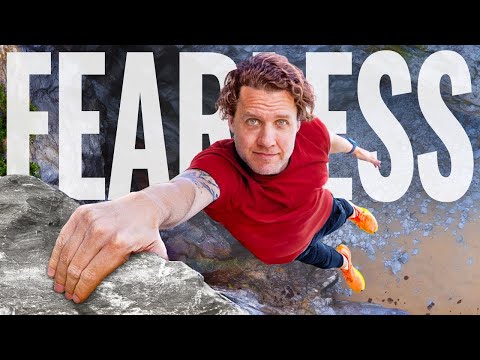
So, heights, huh? For some people, they’re just a part of life. You know, like climbing stairs or enjoying a nice view from a hilltop.
But for others, it’s a whole different story. The moment they’re up high? Panic mode kicks in! Sweaty palms, racing hearts—you get the picture.
That’s called acrophobia. It’s that intense fear of heights that can really mess with your head. Sound familiar?
Let’s chat about what’s going on in that brain of yours when it panics at the thought of climbing a ladder or standing on a balcony. Trust me, it gets interesting!
Effective Strategies to Conquer Acrophobia: Overcoming the Fear of Heights
Well, acrophobia, or fear of heights, is more common than you might think. If you’ve ever felt your stomach drop while standing on a balcony or avoided climbing stairs because they seemed too high, you’re not alone. This fear can be pretty overwhelming, but there are ways to tackle it. Here’s a quick rundown of effective strategies that can help conquer acrophobia.
1. Gradual Exposure
This one’s all about baby steps. You don’t need to jump straight off a cliff! Start by looking at pictures of high places. Then maybe move on to standing on a chair or a low step ladder. Progress at your own speed; don’t rush it.
2. Visualization Techniques
Imagine yourself in a high place while feeling calm and relaxed. Picture every detail—the wind against your face, the view around you, everything! The idea here is to create a mental image that feels safe and positive.
3. Breathing Exercises
When you start feeling anxious up high, focus on your breathing. Slow and deep breaths can help lower your heart rate and calm those nerves. Try inhaling for four counts, holding for four counts, and exhaling for six counts when you’re up there.
4. Positive Affirmations
Remind yourself that being afraid is just part of being human! Little phrases like “I am safe” or “I can handle this” can seriously change how you feel about heights over time. Say them often!
5. Professional Help
Sometimes talking to someone who gets it can make a big difference. Therapists often use cognitive-behavioral techniques to help shift negative thoughts around heights into something more manageable.
6. Joining Support Groups
Finding others with the same struggle can be super comforting. You’ll know you’re not alone in this journey and might even pick up some tips from others who are working through their fears too.
7. Reality Therapy
This strategy involves facing your fear head-on in controlled environments—like indoor rock climbing walls or observation decks where safety measures are in place—slowly acclimating yourself to being at heights with supervision.
It can really feel intimidating at first, you know? I remember standing at the edge of a rooftop once; my legs were shaking like crazy! But I took slow breaths and focused on how beautiful the city looked below me instead of thinking about falling off the edge.
Overcoming acrophobia takes time and patience, but these strategies could be game-changers for anyone trying to conquer their fear of heights! Don’t rush; every little step counts towards progress!
Understanding Legal Implications of Fear of Heights Vertigo: Rights, Claims, and Support
Sure! Let’s have a chat about acrophobia—the fear of heights—and what that means when it comes to legal stuff, rights, claims, and support. It may sound a bit dry at first, but if you stick with me, you’ll get the gist!
Acrophobia can hit people hard. Imagine standing on a tall building and feeling your heart race or your stomach drop. It’s real anxiety even if there’s no actual danger. Now, when this fear affects your life—like avoiding certain jobs or activities—you might start thinking about your rights and the support available to you.
Legal implications can vary based on where you live, but generally speaking, there are a few things to keep in mind:
- Disability Rights: Under laws like the Americans with Disabilities Act (ADA) in the U.S., acrophobia can qualify as a disability if it significantly limits one or more major life activities. That means you could be entitled to certain protections.
- Employment Considerations: If your job requires working at heights and you’re struggling with acrophobia, it might be worth talking to HR about accommodations. Employers have to consider reasonable adjustments for employees with disabilities.
- Health Claims: If acrophobia leads to physical symptoms—like panic attacks—you might have grounds for health claims. Documentation from mental health professionals is crucial here.
- Treatment Support: Many places offer support services for mental health issues. Sometimes therapy or exposure techniques can help manage fear of heights. Some insurers may cover these treatments.
Imagine Sarah—she loved hiking until her fear of heights kicked in after a scary experience on a mountain trail. Now she worries about her job as an outdoor guide because her phobia makes her hesitate near cliffs. Luckily, she learned about disability rights and started working with her supervisor to find other tasks she felt comfortable handling—that’s an example of how awareness can create change!
It’s important to note that legal battles over these issues aren’t straightforward. Each case depends on the specific situation and local laws. Keep in mind that having acrophobia doesn’t automatically guarantee you’ll win any claim; you’ll often have to demonstrate how this condition impacts your daily life.
In summary, understanding the legal aspects tied up with acrophobia is essential for getting the right support and knowing your options—but it isn’t always easy! If you’re facing challenges due to this condition, consider reaching out for help from legal experts or advocates who know the ropes better than most.
So yeah, whether it’s navigating jobs or finding support networks, having info makes all the difference when tackling something like fear of heights!
Effective Acrophobia Treatment: Overcoming Your Fear of Heights
Alright, let’s chat about acrophobia, that pesky fear of heights that can really put a damper on your day. You know, standing on a balcony can feel like climbing Everest if you’ve got this fear. But don’t worry! There are ways to effectively treat it and get you feeling more at ease up there.
First off, understanding what acrophobia is can help you feel less alone in this. It’s not just a dislike of heights; it’s an intense fear that can trigger panic attacks, sweating, or even heart palpitations when you’re up high. Many people experience this to some degree, so you’re definitely not weird for feeling this way.
Exposure Therapy is often one of the first recommendations when tackling acrophobia. It works like this: slowly and gradually exposing yourself to heights in a controlled environment helps desensitize your fear response over time. For example, you might start by looking at pictures of tall buildings before moving to watching videos of skydiving or bungee jumping. Bit by bit, you’re getting used to the idea of heights without actually being up there!
Another method is Cognitive Behavioral Therapy (CBT). This approach aims to change the negative thought patterns associated with your fear. You might be thinking things like “I’m going to fall!” or “What if I pass out?” CBT helps you challenge these thoughts and replace them with more constructive ones like “I’m safe here” or “I’ve managed heights before.” It’s all about rewiring how your brain reacts.
Then there’s Relaxation Techniques. When you’re faced with those dizzying heights, being able to calm yourself down is super important. Techniques such as deep breathing exercises or mindfulness meditation can lower anxiety levels. Imagine standing on top of a hill and focusing on taking slow, deep breaths while visualizing yourself feeling calm and secure.
Also, don’t forget about Support Groups. Talking things out with others who totally get it can be incredibly helpful! Sharing stories and strategies in a non-judgmental setting might give you some valuable insights and motivate you along the way.
Oh! And consider getting some professional help if it feels too overwhelming on your own; therapists who specialize in phobias can offer tailored strategies just for you!
In short, overcoming acrophobia isn’t a race; it’s totally okay to take baby steps towards conquering those heights. The key is finding what techniques resonate most with you and sticking with them until those birds-eye views don’t send chills down your spine anymore! You’ll feel great as soon as you’ve started working through those fears!
You know, fear of heights, or acrophobia, can really mess with your head. I remember a time when I was out hiking with some friends. We reached this spot with a stunning view right over a cliff. Everyone was excited to snap pictures and just soak it all in. But me? I was stuck there feeling all wobbly, my heart racing like it thought it was in a marathon.
Acrophobia is a pretty common fear, affecting loads of people to varying degrees. It’s not just about being scared of falling; it’s that overwhelming sense of dread that takes over your mind and body when you’re way up high. You might find yourself sweating or even feeling dizzy, even if you’re standing on something as simple as a step stool.
What’s wild is that the fear can emerge from so many places—maybe a fall you took as a kid or just seeing someone else take a tumble. But the thing is, sometimes our brains hold onto these fears long after the moment has passed.
So many folks think they can just push through the fear by confronting it head-on—like if they stand on the edge for long enough, it’ll magically disappear. But often, it doesn’t work that way because the anxiety response can kick in big time! Your brain thinks it’s in danger, even if reason says otherwise.
One thing that helps is understanding your triggers. Is it being at high places? Or maybe it’s more about the unpredictability of being up there? Knowing what sets off your anxiety can make facing those heights feel more manageable.
And remember this: it’s totally okay to have these fears. They don’t define you! Lots of people deal with acrophobia every day while still living their lives fully. If you’re in this boat, know you’re not alone—and there are ways to ease into confronting those heights rather than leap into them blindly.
Finding small steps to work through that fear can lead to some amazing moments—even if it’s just taking a little peek over a railing first! So whether you’re trying to catch that breathtaking view or stepping onto an elevator, go at your own pace and give yourself some grace along the way.