You know, ADHD is one of those things that can be kinda confusing. You might think it’s just about being hyper or unable to focus. But there’s so much more going on beneath the surface.
Imagine a kid in a classroom, trying to pay attention while the world outside seems way more exciting. That’s often how it feels for people with ADHD. It’s like their brains are on a constant rollercoaster ride, switching tracks every second.
But here’s the thing: ADHD shows up differently for everyone. Some might fidget a lot, while others seem lost in space, daydreaming away.
When we dig into these symptoms and what they really mean, it opens up a whole new perspective on understanding ourselves and those around us. So, let’s explore this together!
Identifying the Signs of Untreated ADHD in Adults: Understanding the Impact and Importance of Diagnosis
So, let’s chat about ADHD in adults. You might think it’s a kid thing, but, seriously, it doesn’t just vanish when you grow up. If it’s untreated, it can really mess with your day-to-day life.
Untreated ADHD often shows up in several ways. First off, people may struggle with focus and attention. Imagine trying to read a book while someone’s blasting music next door. That distraction? It can feel like that all the time for someone with ADHD.
- Difficulty concentrating: You start a task but suddenly find yourself scrolling through social media instead. It’s like your brain just ghosted on you!
- Forgetfulness: Losing track of things or missing appointments can be common. One minute you’re on schedule; the next, you’re late because you forgot about that meeting.
- Impulsivity: Making snap decisions? Maybe buying that new gadget on a whim without thinking about the costs? Yeah, that might be a sign.
This all sounds pretty rough, right? Well, there’s more. Your emotions might run high too! Some people experience mood swings, feeling great one moment and then frustrated the next for no clear reason.
- Anxiety and stress: Constantly juggling tasks or worrying about what you’ve forgotten can lead to feeling overwhelmed. It’s like living in a fog!
- Low self-esteem: When you constantly miss deadlines or can’t seem to keep everything together, it can really wear down how you feel about yourself.
You see, untreated ADHD doesn’t just affect your work or school life; it bleeds into personal relationships too! Friends or family might feel ignored if you zone out in conversations or forget important dates. That can create tension and misunderstandings.
The impact of not getting diagnosed is huge. Many adults go through life thinking they’re just lazy or disorganized when really there’s a whole different underlying cause. Getting assessed by a professional is crucial because understanding what you’re dealing with opens doors to better coping strategies and support systems.
If this resonates with you or someone close to you, think of it as an invitation to explore—knowing is half the battle! Pay attention to those signs because they matter!
A lot of adults live their lives without realizing they’re navigating their daily struggles with untreated ADHD. Understanding these signs is key to seeking help and making those feelings less overwhelming. So take note! Awareness is truly the first step towards managing life more effectively.
Comprehensive Guide to Understanding ADHD Symptoms and Effective Treatment Options
ADHD, or Attention-Deficit/Hyperactivity Disorder, can sometimes feel like a rollercoaster ride, right? You’re not alone in dealing with these ups and downs. The symptoms can really affect someone’s life. So let’s break it down a little.
Symptoms of ADHD might look different for everyone. Some common ones include:
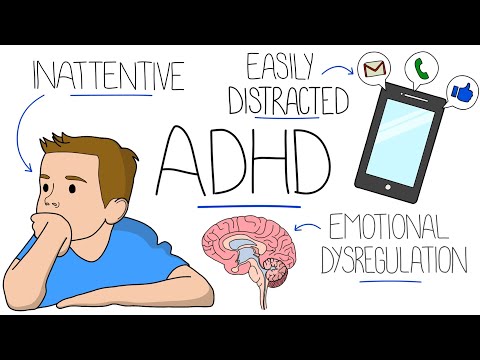
- Inattention: This might mean struggling to focus on tasks, losing things frequently, or being easily distracted by everything happening around you.
- Hyperactivity: You might feel restless or have a hard time sitting still. You know that feeling when you just can’t keep your legs from shaking?
- Impulsivity: This can be saying things without thinking first or making quick decisions that might not be the best.
Now, understanding these symptoms is important because they can often affect your daily life. Say you’re in a meeting at work and your mind starts drifting off—suddenly you’re daydreaming about what to make for dinner instead of catching up with your project!
But here’s the kicker: ADHD doesn’t look the same in everyone. Some people may struggle more with focus than hyperactivity, while others might find themselves bouncing off the walls but managing their tasks just fine. It’s all about the mix of symptoms each person experiences.
When it comes to treatment options, there’s quite a few paths someone with ADHD can take:
- Medication: Stimulants like Ritalin or Adderall are common and often help improve focus and decrease impulsivity for many.
- Cognitive Behavioral Therapy (CBT): This helps folks develop coping strategies. You know, learning how to manage distractions better!
- Lifestyle Changes: Incorporating exercise, getting enough sleep and maintaining a balanced diet are all crucial too. Ever heard that going for a run can clear your mind? It’s true!
Imagine someone who has ADHD finding ways to channel energy into sports or creative outlets—it really makes a difference in managing those symptoms.
So like I said before, understanding ADHD is key because it helps you grasp how it works psychologically and emotionally in everyday life. It’s not just about quirks; it’s connected to how you think and feel too.
It’s vital to approach treatment holistically, combining different strategies that work for you personally. Every journey looks different! And hey, if something isn’t working or feels right? That’s okay—adjustments are part of figuring out what helps best!
In short, recognizing ADHD symptoms involves navigating through attention issues, hyperactivity, and impulsive behavior—all intertwined in unique ways for every individual. With the right support—whether it’s therapy, medication, or lifestyle tweaks—you can create a path that suits your needs better!
Understanding ADHD: Mental Illness vs. Neurological Disorder
Understanding ADHD can really get confusing, especially when we throw around terms like mental illness and neurological disorder. So, let’s break it down in a way that makes sense, yeah?
ADHD stands for Attention-Deficit/Hyperactivity Disorder. It’s often thought of as a childhood thing, but it can follow people into adulthood too. This condition is more about how your brain works than just a set of behaviors.
Mental Illness vs. Neurological Disorder—it’s important to know there’s a difference here. Mental illnesses often involve mood, thinking patterns, and behavior issues caused by emotional or psychological factors. Neurological disorders usually connect more directly with changes in the brain itself, you know? In the case of ADHD, it falls under the umbrella of neurological disorders because it relates to brain structure and function.
Let’s look at what goes on inside the brain with ADHD. Studies suggest that certain areas might be smaller or less active in people with this condition. These differences can affect things like attention span and impulse control. That means if you have ADHD, your brain might just process information a bit differently.
- Symptoms: They typically include inattention, hyperactivity, and impulsivity.
- Inattention: You might find yourself daydreaming during meetings or losing track of tasks easily.
- Hyperactivity: This could look like fidgeting or feeling restless even when you need to sit still.
- Impulsivity: Maybe you jump into conversations before someone finishes speaking or make snap decisions without thinking them through first.
Now, let’s talk about how these symptoms show up in real life. You remember that friend who can never sit still during movie night? Always checking their phone or talking over everyone? Well, that energy might be part of their ADHD experience—it’s not just them being rude!
Of course, having ADHD doesn’t mean someone can’t succeed; it just means their brain operates on a different wavelength. Think about famous folks who have shared their experiences—like Michael Phelps or Simone Biles! They’ve shown that having ADHD doesn’t define your limits; rather, it can shape how you approach challenges.
It’s also essential to recognize that while some people see ADHD as purely a behavioral issue stemming from bad parenting or lack of discipline—this is pretty outdated thinking. The reality is much deeper and multifaceted.
At the end of the day, anyone experiencing symptoms related to ADHD should feel supported—not judged! Understanding this distinction between mental illness and neurological disorder is key because it reminds us to see ADHD not as simply «bad behavior» but as part of how some brains are wired differently.
So when you meet someone with ADHD—or if it’s you—remember it doesn’t close any doors; instead, it opens up new pathways for understanding both yourself and others around you!
Alright, let’s talk about ADHD a bit. So, you know how sometimes you’re just sitting there, and your brain feels like a radio that’s stuck between stations? That’s kinda what living with Attention-Deficit/Hyperactivity Disorder can feel like for many folks. It’s not just about being hyper or distracted; there’s so much more going on beneath the surface.
I’ve had friends who would tell me stories about their struggles with focus. One of them described it as trying to keep a balloon from floating away while juggling—really tough! They might be in a conversation, but their mind is hopping around like a kid in a candy store. This isn’t because they’re lazy or not trying hard enough; it’s just how their brains work differently.
Now, let’s break down some of those symptoms we often hear about. Inattention is one big piece of the puzzle. It’s like when you start reading a book and suddenly find yourself daydreaming about what to have for dinner instead. Sounds familiar? Then there’s hyperactivity—this isn’t always bouncing off the walls but can be more subtle too. Think fidgeting in your seat or feeling restless during long tasks, that sort of thing.
And there’s impulsivity, which can show up as making decisions without thinking them through first. You buy those shoes online at 2 AM because they look fabulous, and then regret it later when the bill comes in! People with ADHD often navigate life with these patterns, but it doesn’t define their worth or capabilities.
The psychological context really shines here too. It affects how someone might interact socially or manage tasks at work or school. It can feel overwhelming and isolating if you’re constantly battling your own brain’s quirks while trying to fit into the mold everyone else seems to follow. You see this pressure everywhere, right? Like when everyone is expected to focus during long meetings or keep up with endless emails.
But seriously, understanding ADHD goes beyond just recognizing those symptoms—it’s all about compassion and support too! Imagine the relief someone must feel when they finally get that diagnosis after years of wondering why things seemed tougher for them than others. It opens doors for strategies that work best for them rather than fitting into one-size-fits-all solutions.
So yeah, grasping ADHD in its true psychological context means seeing people as whole beings navigating their unique experiences, not just labels or checkboxes on a form. Everyone deserves understanding and maybe even a little grace when dealing with their personal challenges!