You know that feeling when you’re trying to focus, but your brain is like, “Nah, let’s think about everything else instead”? Yeah, that’s a classic ADHD moment. But it’s not just kids who deal with this stuff; adults can have it too.
It can be super challenging as an adult to navigate the world with ADHD or ADD. You might find yourself juggling a million thoughts, struggling to keep track of tasks, or zoning out when you really need to pay attention.
And it’s not just about being distracted. It goes way deeper than that. Imagine trying to hold down a job or maintain relationships while your brain feels like a chaotic whirlwind of ideas and impulses.
So let’s chat about what ADHD and ADD look like in grown-ups—because understanding it could change everything for you or someone you care about. Sounds good?
Comprehensive Scholarly Articles on Adult ADHD: Research Insights and Findings
Adult ADHD, or Attention Deficit Hyperactivity Disorder, is often misunderstood. Most people think it’s just a childhood issue, but it sticks around for many. So, let’s break it down a bit.
First off, what is Adult ADHD? It’s basically a neurodevelopmental disorder that affects your ability to focus, manage impulses, and organize tasks. You might find yourself easily distracted or feeling restless—even if you’re trying to sit still in a meeting or at home. The symptoms can be sneaky and manifest differently in adults compared to kids.
Research Insights: Studies show that adult ADHD can lead to various challenges in daily life. For instance:
- Many adults with ADHD often struggle with time management.
- They tend to have trouble maintaining relationships due to impulsivity.
- Work performance can suffer because of issues like forgetfulness or disorganization.
What’s interesting is that adults frequently come up with coping strategies over time. Maybe you’ve developed a system for reminders or have learned how to break tasks down into smaller chunks. But here’s the kicker: sometimes these strategies aren’t enough on their own.
Mental Health and Comorbidity: Adult ADHD doesn’t usually come alone; it likes to bring friends. Depression and anxiety are common buddies for those wrestling with ADHD. This means that if you’re feeling low or anxious, it might not just be related to life stressors but also linked back to your ADHD.
The stats are pretty telling—more than half of adults with ADHD also face one of these conditions! So addressing only one aspect without considering the other can feel like trying to fix a car while driving it!
Treatment Options: When it comes to treatment, there isn’t a one-size-fits-all solution. You might hear about medication options like stimulants (these are the most common) and non-stimulants which can work wonders for some people. But others may find therapy beneficial—especially cognitive behavioral therapy—which helps adjust thought patterns and develop new habits.
Anecdote time! I once met someone who shared how they struggled at work because their mind would wander during meetings. They felt embarrassed as they were consistently lost in their thoughts when everyone else seemed focused. After getting diagnosed as an adult, they found a combination of meds and therapy really changed things for them—suddenly they could engage in discussions instead of zoning out!
The Bottom Line: Adult ADHD is real and can significantly impact various areas of life—from job performance all the way to personal relationships. Understanding it better means being more compassionate towards yourself or others who might be navigating these challenges.
This isn’t about placing blame; it’s about recognizing patterns so we can make gentle changes over time! And remember: you’re definitely not alone on this journey.
Understanding ADHD: Uncovering the Complexities of Adult Thought Processes and the Nervous System
Understanding ADHD is like peeling back layers of an onion—each layer reveals something new and sometimes overwhelming. Think about it: it’s not just about being scatterbrained or having difficulty focusing. It’s way more intricate than that. So, let’s break it down.
What is ADHD?
ADHD, or Attention-Deficit/Hyperactivity Disorder, isn’t just a childhood issue. Many adults carry it into their daily lives. Imagine trying to manage your to-do list while your thoughts are racing like cars on a racetrack. People with ADHD often struggle with attention, impulsivity, and hyperactivity in varying degrees.
The Brain’s Wiring
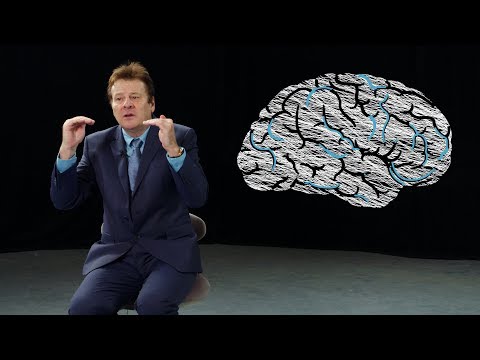
Here’s the deal—ADHD doesn’t mean your brain is “broken.” It’s more about how your brain processes information and reacts to stimuli. Research shows that there are differences in the nervous system of those with ADHD, particularly in areas responsible for attention and self-control.
- Dopamine levels: One major player here is dopamine, a neurotransmitter that affects pleasure and motivation.
- Prefrontal Cortex: This part of the brain is crucial for decision-making and impulse control. In folks with ADHD, it might not light up as much when needed.
Thought Processes
Now, let’s talk about thought processes. Adults with ADHD often experience a whirlwind of ideas – seriously! You might be really creative but can struggle to channel those thoughts into something productive. It’s like having a ton of browser tabs open; you know there’s something good in there but can’t quite focus on one thing long enough.
Take a moment to imagine this: You’re at work trying to write an email but keep getting distracted by every little noise around you—your phone buzzes, someone walks by, or even thoughts about dinner pop into your head. You might find yourself rewriting the same sentence multiple times or forgetting what you even wanted to say in the first place!
Coping Mechanisms
So, how do adults navigate this mental maze? Well, many develop coping strategies over time:
- Lists and reminders: Writing things down can help keep thoughts organized.
- Simplifying tasks: Breaking work into smaller steps makes it less daunting.
These strategies can make life feel a little less chaotic.
The Emotional Side
Let’s not forget the emotional rollercoaster that often comes with ADHD. Frustration from unfinished tasks or forgotten appointments can lead to feelings of inadequacy or stress. It’s not uncommon for individuals with ADHD to battle anxiety or low self-esteem alongside their experiences.
You know that feeling when you miss an important deadline? For someone with ADHD, this might feel amplified—a heavy weight on their shoulders that seems impossible to shake off.
The Takeaway
So basically, understanding ADHD as an adult means recognizing both the challenges and strengths. Yes, there are hurdles like distractibility and impulsivity—but hey! There are also unique perspectives and creative problem-solving skills that come along too!
Recognizing these complexities helps us empathize better with those who have ADHD while reminding them they’re not alone in this journey through life’s hurdles and triumphs!
Understanding ADHD: Navigating the Challenges of Authority and Control
When we talk about ADHD (Attention Deficit Hyperactivity Disorder), it’s not just a kid thing. Lots of adults deal with it too. One of the tougher parts of having ADHD is how it messes with your relationship to authority and control. So, let’s break this down a bit.
First off, people with ADHD often struggle with following rules or sticking to plans. This isn’t about being rebellious on purpose; it’s more like your brain has extra challenges when it comes to paying attention or organizing tasks. For example, I once met someone who described their work life as «constantly forgetting deadlines.» They felt overwhelmed by managers who just didn’t understand why they couldn’t keep up.
Here are some key points that might help shine a light on this situation:
- Impulsivity: This can lead to making quick decisions that might not always sit well with authority figures. You know how sometimes you blurt out things in meetings? That can be a struggle for someone with ADHD.
- Struggles with Structure: Many folks with ADHD find traditional structures frustrating. It’s not that they’re lazy; they might feel stifled by strict rules and rigid timelines.
- Difficulties in Communication: Misunderstandings can happen a lot, leading to tensions at work or home. So, if someone forgets to follow up on instructions, it’s often not intentional.
- Anxiety Around Authority: There can be a real fear of disappointing others—like bosses or parents—which just adds more pressure. Imagine always worrying about what your boss thinks!
When you combine these factors, managing relationships with authority figures becomes tricky. Adults might feel like they’re constantly walking on eggshells around supervisors or even family members because of their past experiences and struggles.
But here’s the thing: understanding ADHD can really change the game. When authority figures get educated about what ADHD looks like in adults, it paves the way for better communication and less frustration all around. You’ve probably heard stories about workplaces introducing flexible schedules or supportive feedback systems—these changes can make such a difference!
Feeling misunderstood? It’s super common among adults with ADHD. One person I know shared how they felt like they were never “good enough” at work because their manager wouldn’t give them room to navigate tasks in their own way.
In short, navigating authority and control when you have ADHD can be complex but understanding the underlying factors helps! And creating environments that recognize these challenges is key—whether that’s through support from peers or adjustments in expectations from those in charge.
Just remember: it’s all about finding balance and fostering comprehension rather than judgment!
You know, when we talk about ADHD and ADD, there’s this tendency to picture hyperactive kids bouncing off the walls. But honestly, it doesn’t end there. A lot of adults also deal with these conditions, and it can really shape their lives in ways you might not even think about.
I remember my friend Sam talking about how he struggled with focus at work. He’s super bright but often found himself zoning out during meetings or forgetting tasks. It was frustrating for him and honestly a bit confusing for those around him. It wasn’t just that he couldn’t sit still; it was more like his brain was working on overdrive, racing through thoughts while his body felt stuck in molasses.
ADHD stands for Attention Deficit Hyperactivity Disorder, while ADD is the type that doesn’t include the hyperactivity part—it’s mostly inattention. Adults can be diagnosed with either or both types, and they might not even know it until they hit adulthood. The symptoms can look different than what we typically associate with childhood ADHD; they may manifest as disorganization, forgetfulness, or even trouble following through on tasks.
So here’s the thing: living with ADHD as an adult isn’t just about managing symptoms; it can affect everything from your job performance to your relationships. For instance, someone might struggle with time management—showing up late or missing deadlines—while another person feels overwhelmed by daily tasks like paying bills or grocery shopping because their mind wanders off into a million directions.
But it’s not all doom and gloom! Many adults learn to navigate life and find strategies that work for them. Some people thrive in creative jobs where unconventional thinking is actually a plus! And let’s not forget the importance of community; connecting with others who understand the quirks of ADHD can feel like finding family.
When you look at ADHD through a psychological lens, it’s about understanding patterns of behavior rather than just seeing it as a disorder to «fix.» It highlights how diverse human experiences are and how everyone processes the world differently. So whether it’s figuring out a coping mechanism or simply accepting that your brain is wired differently, there’s strength in that.
Just remember: if you or someone you know is navigating life with ADHD/ADD as an adult, you’re definitely not alone in this journey! There are plenty of stories out there similar to Sam’s—stories filled with ups and downs but ultimately leading towards finding one’s unique path.