You know that feeling when you just can’t put something down? Like, the last slice of pizza or a new series on Netflix? But what about when it’s not so innocent?
Addiction can creep in like an uninvited guest, turning something once fun into something really heavy. It’s wild how our brains get wired to crave certain things.
There are all these psychological roots that shape why some folks fall hard while others can keep it casual. It’s not just willpower at play; it’s way deeper than that.
So, let’s unpack this together and explore the pathways behind addiction. We’ll look at what drives those cravings and how they grip us in surprising ways. Trust me, there’s a lot more going on than meets the eye!
Understanding the Psychological Factors Behind Addiction: Insights and Implications
Addiction is one of those complex things that can seem really baffling. But when you start to break it down, you can see how various psychological factors come into play. So let’s unpack this a bit.
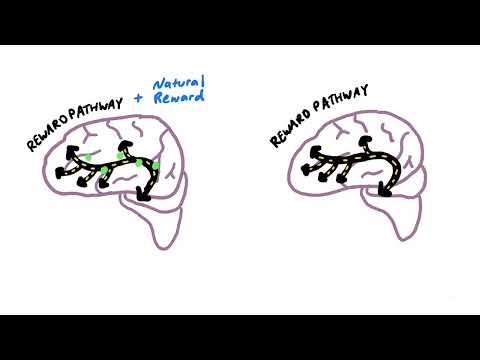
First off, it’s key to understand that **addiction isn’t just about the substance**. It’s deeply tied to your brain’s reward system. You know, when you do something enjoyable, like eating your favorite food or hanging out with friends? Your brain releases dopamine, right? This feel-good neurotransmitter reinforces the behavior—making you want to repeat it. When someone uses drugs or engages in addictive behaviors, they’re basically hijacking this system to get a more intense dopamine hit.
Next up, let’s talk about **stress and trauma**. Many people turn to substances as a way of coping with emotional pain or distress. Think about that friend who reaches for a drink after a tough day at work or someone who smokes to calm their nerves before a big presentation. This could be seen as an attempt to escape reality and numb feelings they don’t want to face head-on.
Another thing worth mentioning is **cravings and triggers**. Let’s say you have a buddy who used to be big into gaming but stopped because he realized he was spending too much time in front of the screen instead of living life outside his room. Often, just the sight of an old game console can spark cravings for that thrill again, leading them back down that road.
Now, there’s also a social aspect here. Human beings are social creatures; we love belonging and fitting in with our circles. If your friends are all drinking at parties or using certain substances as part of their routine, chances are high you’ll feel pressured or compelled to join in—just so you fit in!
It’s also important to consider mental health conditions. Anxiety disorders and depression can link closely with addiction patterns since individuals may self-medicate as a way of managing uncomfortable feelings or symptoms they’re struggling with. It becomes this cycle where addiction feeds into mental health issues and vice versa.
And finally, we can’t ignore **the role of genetics** in addiction vulnerability either! If your family has a history of substance use issues, there’s greater risk for you too! It doesn’t guarantee you’ll have an addiction but makes it more likely especially if other psychological factors are present.
So yeah—understanding addiction isn’t straightforward at all; it’s like peeling back layers on an onion—the deeper you go, the more complicated it gets! The implications are huge too because by understanding these psychological roots and pathways behind addiction, we can think about better ways to support people struggling with these issues rather than simply viewing them through the lens of “right and “wrong.
Understanding the Neurobiology of Addiction: Comprehensive PDF Resource
Addiction is a complex beast, right? Seriously, it intertwines our brains, behaviors, and feelings in ways that can leave you scratching your head. So, let’s break down the neurobiology of it all without getting too deep into jargon. You know what I mean?
First off, addiction fundamentally alters brain functioning. When someone becomes addicted to something—be it drugs, alcohol, or even behaviors like gambling—it actually rewires the brain’s circuitry. The areas involved are responsible for pleasure and reward.
- Reward Pathway: This system releases dopamine when you do something pleasurable. Think about eating chocolate or winning a game; it feels good! But with addiction, substances release way more dopamine than normal activities.
- Prefrontal Cortex: This part controls decision-making and impulse control. In addiction, this area may not work as well. It’s like having a car with bad brakes—you might go for it but can’t stop in time.
- Amygdala: This is all about emotion. Stressful events can trigger cravings because the body associates those feelings with the substance.
Now here’s where things get super interesting: when you expose your brain to addictive substances or behaviors repeatedly, it develops tolerance. In other words, you need more of whatever you’re hooked on to get that same buzz. It’s like cranking up the volume on your favorite song; eventually, you just can’t hear it anymore at lower levels.
Let’s talk about cravings for a sec. These aren’t just random thoughts popping into your head—they’re linked to learned responses from past experiences. Think of it this way: if you always smoked a cigarette while having coffee at 8 AM, pretty soon that cup of coffee alone might trigger cravings because your brain has made that connection.
Withdrawal symptoms? Yeah, they’re real and often quite horrid. When people try to quit something they’ve been addicted to, their bodies can react in distressing ways—like headaches or anxiety—because they’ve become so used to having the substance present in their system.
And here’s something rather crucial: genetics play a part too! Some folks might have a genetic predisposition that makes them more susceptible to addiction than others—talk about unfair cards dealt by nature!
In terms of recovery pathways, understanding all this neurostuff helps us see why treating addiction is not just about willpower; it’s about addressing those neurobiological changes and helping people rebuild their reward systems through healthier activities.
So yeah! That’s a quick look at how our brains get tangled up in addiction. It really shows how important it is to consider both biological and psychological factors. Understanding this stuff could make conversations around addiction feel less judgmental and more compassionate—just as they should be!
Free Download: Neurobiology of Addiction – In-Depth PDF Resource
Addiction is one of those tricky topics that intertwines biological, psychological, and social elements. When we talk about the neurobiology of addiction, we’re delving into how our brain chemistry and structure play a significant role in developing addictive behaviors. So, let’s break this down.
First off, what is addiction? It’s a complex condition characterized by compulsive engagement in rewarding stimuli, despite adverse consequences. You might know someone who just can’t put down their phone or maybe has a hard time saying no to that late-night snack. It’s not just a lack of willpower; there’s a lot more going on.
The brain’s reward system is at the core of addiction. It involves several key players like the dopamine pathway. When you do something pleasurable—like eating your favorite dessert or hanging out with friends—your brain releases dopamine. This feel-good neurotransmitter reinforces behavior, making you want to repeat it. But here’s where it gets sticky: addictive substances can hijack this system.
- Substances like drugs and alcohol can lead to an overload of dopamine release.
- This overload can cause changes in your brain’s wiring, leading to tolerance, where you need more of the substance to achieve the same pleasure.
- If you stop using it suddenly, withdrawal symptoms kick in because your brain has adapted to functioning with the substance.
Let’s say you’ve experienced something similar when trying to cut back on caffeine. At first, you might feel okay, but after a day or so without that morning coffee? You’re probably dealing with headaches and irritability—your body is adjusting.
However, it’s not just about chemical hooks; there are deep-rooted psychological factors too. Stress and trauma can often set the stage for addiction. If you’ve ever felt overwhelmed and turned to comfort food or binge-watching shows as an escape mechanism, you’re experiencing it firsthand.
There’s also the concept of cravings. They’re powerful urges that develop over time as your brain starts associating certain cues with pleasure from the substance or behavior. Think about how walking past your favorite bakery makes your mouth water even when you’ve just eaten.
Interestingly enough, genetics play a role too! Some people are more predisposed to addiction due to hereditary factors. If someone in your family struggled with substance use issues, it’s worth understanding how those genes can influence behavior patterns.
Coping strategies can make a significant difference if you’re navigating this world either for yourself or someone else. Finding healthier outlets—like physical activity or creative hobbies—can help reshape those neural pathways over time.
In summary—it all ties back to how our brains are wired and influenced by our experiences and biology! Addiction isn’t just black and white; it’s layered and deeply personal for each individual facing these challenges. Understanding these roots can pave the way for better support systems and recovery options down the line.
So, let’s chat about addiction for a minute. It’s one of those heavy topics that can feel overwhelming, right? But the thing is, addiction isn’t just a matter of willpower or bad choices. There’s a whole psychological landscape behind it that often gets overlooked.
You know how sometimes you reach for that extra slice of cake after a rough day? Sure, it feels good in the moment—like a little hug from the inside. But if you find yourself doing that every day, or maybe even turning to something like alcohol or drugs more regularly to cope with your feelings, that could be telling us something deeper.
Addiction often starts out as a way to escape pain or discomfort. Let’s say you had an argument with a friend, and suddenly everything feels heavy and stressful. That urge to binge-watch your favorite show or pour yourself another drink—it’s like a quick fix to chase away the anxiety. But here’s where it gets tricky: those temporary solutions can spiral into something bigger. You might start relying on those habits to get through life instead of dealing with what’s actually bothering you.
I remember this one time when I was feeling super overwhelmed with work and personal stuff all hitting at once. I found myself scrolling through my phone late at night instead of sleeping. At first, it was just a way to distract myself from all the chaos in my mind. But before long, I realized I was on my phone more often than not—not just when I needed to unwind but during moments when I really should’ve been tackling what was bugging me.
It turns out there are some deep-rooted factors at play here too! Our upbringing, experiences with stress or trauma, and even our brain chemistry can set off pathways that lead us toward addictive behaviors. For instance, if someone grew up in an environment where stress was dealt with through substances rather than conversations—or worse—if they faced traumatic events themselves—they might find themselves mirroring those patterns later in life without even realizing it.
Just think about it: sometimes we’re drawn towards addictions because they offer relief from emotional pain that feels unbearable otherwise. It’s often less about craving the substance itself and more about escaping reality for just a little while longer.
The tricky thing is breaking those cycles once they form! It takes time, reflection, and sometimes support from others who get it. So next time you’re facing temptation—whether it’s food, substances, or behaviors—consider asking what’s really going on beneath the surface? What emotions are you trying to dodge? Recognizing these patterns is the first step toward unraveling them.
In short: Addiction isn’t simply about lacking self-control; it’s much more complex than that! It’s rooted in our psychology and shaped by our experiences—and understanding this makes navigating those paths feel just a tad easier and more compassionate for ourselves and others dealing with similar struggles.