You know, it’s kinda wild how some people just breeze through life while others seem to hit a lot of bumps along the way. Take ADHD, for instance. It’s more than just a label; it can really shape how you deal with everything from school to relationships.
And then there’s alcohol. A lot of folks use it to cope or chill out. But when you mix ADHD with alcohol, things can get messy fast. I mean, it’s like throwing a party and forgetting to invite common sense!
So let’s chat about why that connection exists and what happens when those two worlds collide. There are some interesting psychological twists here that might just blow your mind—or at least get you thinking!
Understanding the Connection Between ADHD and Alcohol Abuse: Key Insights and Implications
Understanding the connection between ADHD and alcohol abuse is pretty crucial, especially since both can be challenging in their own right. When it comes to ADHD, or Attention-Deficit/Hyperactivity Disorder, you’re dealing with a condition that affects focus, impulse control, and emotional regulation. Now, mix that with alcohol use, and things can get complicated pretty fast.
First off, people with ADHD often struggle with **impulsiveness**. This means making snap decisions without fully considering the consequences. So when they’re out at a party or just hanging with friends, it’s not uncommon for them to just take a drink to fit in or because it’s available. That little bit of impulsivity can lead to drinking more than intended, which might escalate into risky behaviors.
Also, there’s this thing called **self-medication**. Folks with ADHD sometimes turn to substances like alcohol to alleviate their symptoms—like using it as a way to cope with frustration or anxiety. It’s like they’re trying to escape those feelings that come from living with ADHD daily. Picture this: you’ve had a tough day at work due to distractions and difficulties concentrating; then you come home and pour yourself a drink just to unwind. It makes sense on some level.
In terms of emotional regulation, people living with ADHD might have difficulty managing stress or anger effectively. Alcohol can temporarily numb those feelings; however, it doesn’t fix the underlying issues. In fact, it often makes them worse over time! You can see how this vicious cycle starts—you drink to feel better but end up feeling worse afterward.
More importantly, it’s worth noting that there’s also a bio-genetic component here. Research suggests that individuals with ADHD might have a higher genetic predisposition to substance misuse disorders overall. So if there’s already a family history of alcoholism or addiction issues lurking around in your background? That might put you at an even greater risk.
Now here are some key insights at play:
- Impulsivity: The urge to act quickly without thinking can lead people with ADHD to overindulge in alcohol.
- Self-medication: Using alcohol as a coping mechanism for managing ADHD symptoms.
- Emotional difficulties: Struggling with managing emotions often leads individuals back to alcohol for relief.
- Genetic factors: A family history of substance misuse increases vulnerability if you have ADHD.
So what does all this mean? Well, understanding these connections helps highlight the importance of tailored interventions for individuals struggling with both conditions. It’s not just about telling someone “don’t drink” but looking deeper into their life experiences and coping strategies.
Guiding someone through therapy who has both ADHD and struggles around alcohol can make all the difference in their journey toward recovery and self-understanding. Overall awareness is key—you definitely want folks aware of how these relationships play out so they can seek help when needed!
Exploring the Link Between ADHD and Addiction: Understanding the Connection
ADHD, or Attention-Deficit/Hyperactivity Disorder, and addiction often seem to go hand-in-hand. It’s like they’re buddies that just won’t break up. And this connection is pretty interesting, you know?
First off, people with ADHD might struggle with impulsivity. That means they could act without thinking things through. Imagine a kid who spots a candy bar in a store and grabs it without asking their parents first. It’s that kind of impulsive decision-making. This can carry over into adulthood, leading some folks to impulsively try alcohol or drugs as a way of coping or just for the thrill.
Research has shown that adults with ADHD are around two to three times more likely to develop substance use issues than those without the condition. That’s a big number! You see, there’s this cycle that can form: someone with ADHD may use substances to self-medicate symptoms like restlessness or difficulty concentrating, but then the substances can actually worsen their ADHD symptoms over time.
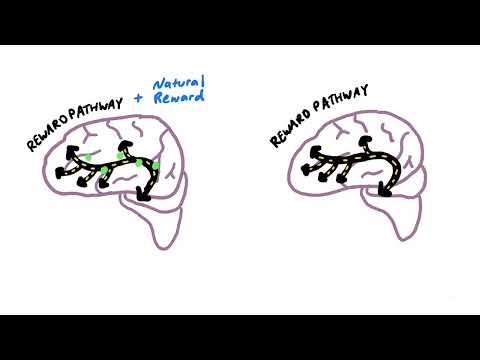
If we zoom in on the brain a bit, it gets even more intriguing. Dopamine is a key player here—it’s that feel-good chemical linked to reward and pleasure. People with ADHD often have lower dopamine levels which can lead them to seek out stimulating experiences, including drug and alcohol use. It’s like trying to chase that feeling of excitement!
And let’s not ignore the emotional piece here; those struggling with ADHD might experience high levels of anxiety and depression too. Alcohol might feel like an escape from all that chaos in their heads—until it isn’t anymore.
Here are some important links between ADHD and addiction:
- Impulsivity: Leads to risky behaviors.
- Dopamine Deficiency: Promotes seeking out stimulating substances.
- Emotional Regulation: Difficulty managing emotions pushes some towards substance use.
- Coping Mechanism: Using alcohol or drugs as an escape from overwhelming symptoms.
Now, let’s say you know someone named Mike who has ADHD. He finds himself overwhelmed by his thoughts all day long—like trying to watch four TV shows at once! To cope, he starts drinking after work every day—it calms him down at first but soon becomes something he relies on more and more.
It’s also worth noting how genetics play into this mix. Family histories of addiction can amplify the risk when combined with ADHD traits. So if someone in your family has struggled with addiction and you have ADHD? Well, you could be looking at compounded challenges there.
Finally, prevention and support matter hugely here! Recognizing the signs early on can make a world of difference for those impacted by both conditions. Resources are out there—whether it’s therapy focusing on both addiction issues and managing ADHD symptoms or support groups where others share similar experiences.
So yeah, understanding this connection between ADHD and addiction isn’t just about statistics—it adds depth to how we view mental health as a whole!
Exploring the Psychological Causes of Alcoholism: Understanding the Mind’s Role in Addiction
- Understanding Alcoholism: So, alcoholism is more than just liking a drink. It’s a complex issue where psychology plays a big role. You might think it’s all about willpower, but there’s something deeper going on in the mind. It’s like trying to solve a puzzle with some pieces missing.
- The Brain’s Chemistry: Alcohol affects your brain in profound ways. It releases dopamine, which makes you feel good, you know? But if your brain gets used to that quick high, it craves it even more. For people with conditions like ADHD, this craving can be stronger due to differences in how their brains process rewards.
- ADHD and Impulsivity: People who have ADHD often struggle with impulsivity, which means they might jump into things without thinking it through. And alcohol can seem like a fun escape from symptoms like restlessness or anxiety. When someone with ADHD drinks, they might find that alcohol gives them temporary relief from their racing thoughts.
- Coping Mechanism: Many turn to alcohol as a way to cope with overwhelming feelings or situations. If you’ve ever felt stressed or anxious and thought, «I need a drink,» you’re not alone! This coping strategy can become habitual. So for those already dealing with ADHD, using alcohol can spiral into more serious misuse over time.
- Environmental Factors: The environment also plays its part! If you grew up in a place where drinking was the norm or if your friends party hard, guess what? Your chances of developing an unhealthy relationship with alcohol go up significantly.
- Social Pressure and Acceptance: It’s tough feeling left out when everyone around you is drinking and having fun. That pressure can push someone to drink more than they usually would—especially if their mental health isn’t in check. So this could be even trickier for someone juggling ADHD symptoms who craves connection!
- The Cycle of Addiction: Here’s the thing: once someone starts misusing alcohol, it’s easy to fall into this vicious cycle. They may feel bad about their drinking habits—leading to feelings of shame or guilt—which pushes them right back into the bottle for comfort. And bam! There goes any chance of breaking that cycle without some serious work.
- Seeking Help: Understanding these psychological connections is vital for anyone struggling or watching someone struggle with alcoholism and ADHD. Therapy and support groups can provide tools needed to cope better without relying on alcohol as an escape route.
Alcoholism is heavy stuff; it’s not just about booze but the intricate dance between psychology and addiction. Recognizing how these factors interact can help pave the way for healthier choices down the line!
Alright, so let’s talk about ADHD and alcohol misuse. It’s a pretty heavy topic, but it’s super important to understand how these two can be connected. Picture this: you’ve got someone with ADHD who struggles with concentration and impulsivity. It can be really tough going through life feeling that constant pressure, you know? Now, add in the coping mechanisms people sometimes turn to—like alcohol—and things can get complicated fast.
People with ADHD often face challenges like hyperactivity and trouble focusing. They might feel like they’re constantly trying to catch up to their peers, which can lead to feelings of frustration or inadequacy. I’ve seen friends who just want a break from all that chaos in their minds. You know what I mean? So, it’s not surprising when some folks reach for a drink thinking it’ll help them chill out or fit in socially.
But here’s where it gets tricky! Alcohol might seem like a quick fix for that buzzing brain. But it actually messes with the brain’s chemistry even more. It may give you that initial buzz of relaxation, but then it can lead to increased anxiety and restlessness—totally counterproductive for someone already dealing with ADHD. So it’s this cycle where a moment of relief turns into more problems down the road.
And let’s not forget about impulsivity. People with ADHD can sometimes act without thinking about the consequences. That impulsiveness paired with alcohol? Not a great mix! It might lead to risky behaviors or even binge drinking because the “just one drink” idea quickly escalates into something bigger.
I remember this one time I was hanging out with a friend who has ADHD, and they were at a party feeling overwhelmed by all the noise and activity around them. They grabbed a drink just to take the edge off—totally normal in social settings, right? But soon after, they were downing shots just trying to drown out everything else going on inside their head. It was heartbreaking because I knew they were just trying to cope but ended up digging themselves a deeper hole.
Now don’t get me wrong; not everyone with ADHD turns to alcohol as their escape route. Some find healthier outlets like exercise or creative hobbies. But for those who do struggle with substance misuse, understanding that connection between ADHD and alcohol is key for finding support and healthier coping strategies.
So yeah, if you know someone dealing with these challenges—or maybe you’re going through something similar—it’s really important to talk about it openly and honestly without judgment. There are ways through this maze; it just takes some patience and understanding from both sides.