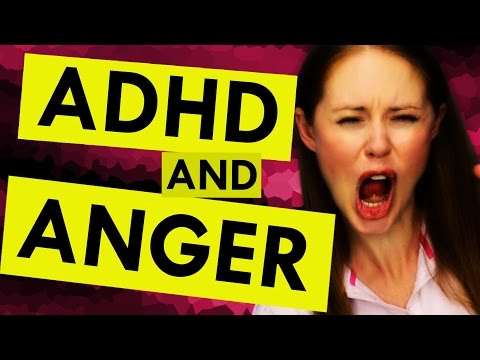
You know, anger can be a tricky thing. Like, one minute you’re chillin’, and the next, you feel your heart racing and your fists clenching. It’s wild how emotions can just take over, right?
For folks with ADHD, this can hit differently. It’s not just about getting mad; it’s about handling those feelings when they come charging in. Imagine trying to juggle a bunch of things while a lion is roaring at you—yeah, that’s kinda what it feels like.
Emotional regulation isn’t always easy for anyone, but if you have ADHD? Well, that adds some extra layers to the mix. So let’s talk about it! What’s going on up there in our heads when anger shows up uninvited?
Understanding ADHD Rage Attacks in Adults: Causes, Symptoms, and Coping Strategies
So, you know how sometimes emotions can just hit like a tidal wave? Well, for adults with ADHD, these intense feelings can pop up in the form of what we call “rage attacks.” It’s not just anger; it’s like an explosion of emotion that can feel overwhelming and uncontrollable. Let’s break it down, shall we?
What Causes These Rage Attacks?
ADHD isn’t just about difficulty focusing; it also involves challenges with emotional regulation. People with ADHD might experience heightened emotional responses. What happens is that when they face frustration or stress, instead of reacting calmly, the anger might boil over into a rage attack.
- Neurobiological Factors: The brain regions involved in impulse control aren’t always firing on all cylinders. This can lead to difficulty managing emotions.
- Environmental Triggers: Stressful situations play a big role. You know those moments when everything feels too much? That can trigger an outburst.
- Lack of Coping Mechanisms: Some adults might not have learned effective ways to deal with strong feelings, which makes them more susceptible to rage.
Recognizing the Symptoms
Rage attacks can manifest in various ways. It helps to know what to look for! They often come on suddenly and typically include:
- Intense Anger: You might feel rage that seems disproportionate to the situation.
- Irritability: A shorter fuse than usual—snapping at loved ones or coworkers over minor issues.
- Poor Decision-Making: When emotions take charge, you might say or do things you regret later.
Coping Strategies
If you or someone you know deals with these rage attacks, there are ways to manage them better. Here are a few approaches that could help bring some calm into those stormy moments:
- Acknowledge Your Feelings: Sometimes just recognizing that you’re angry—and it’s okay—is the first step toward managing it better.
- Develop Coping Skills: Techniques like deep breathing or counting to ten before responding can give you a moment to regain control.
- Create Structure: Having routines and organization in your life helps reduce unexpected stressors that could trigger a rage response.
A little anecdote here: I once talked with a guy who had ADHD and struggled with these rage moments. He told me he kept a journal where he’d write out his feelings whenever he sensed an outburst coming on. Over time, this helped him recognize patterns and triggers—it was like having his own emotional warning system!
The journey through managing ADHD-related anger is definitely personal and unique for each person. Just knowing what can lead to these intense feelings gives valuable insight into how they work and how you can tackle them more effectively. So yeah, remember—you’re not alone in this! Understanding your emotions is key!
Understanding ADHD Rage Attacks in Children: Causes, Impacts, and Effective Strategies
Okay, let’s chat about ADHD rage attacks in kids, a topic that’s super important but often misunderstood. ADHD, or Attention-Deficit/Hyperactivity Disorder, doesn’t just come with focus issues; it can also stir up some pretty intense emotions. And sometimes those feelings boil over into what we call rage attacks.
So, what are these rage attacks? Well, they’re sudden outbursts of anger that can seem way out of proportion to the situation. Imagine a kid who just can’t find their favorite toy and suddenly flips out. It might look like total chaos for a moment—a loud scream, maybe some throwing of things—and it can leave everyone around them feeling confused or even scared.
Causes
The reasons behind these explosive moments are often tied to the challenges kids with ADHD face in managing their emotions. Here are a few key causes:
- Impulse Control: Kids with ADHD may struggle to control their impulses, leading them to react without thinking.
- Sensory Overload: Sometimes too much noise or activity can trigger intense feelings, making it hard for them to cope.
- Frustration Tolerance: They might have a lower threshold for frustration, which means it takes less for them to hit that boiling point.
Now imagine being in a scenario where everything feels overwhelming—like being at a party with loud music and lots of people when you just want some quiet time. For a child with ADHD, this kind of sensory overload can lead to an eruption of anger.
Impacts
The fallout from these rage attacks isn’t just tough on the child; it affects everyone around them too. Parents may feel helpless or frustrated since they want to help but often don’t know how. This tension can add stress at home and even lead to conflicts between parents and the child.
Apart from relationships, such incidents can affect school life too. Teachers might not understand what’s going on and could misinterpret the behavior as mere defiance instead of recognizing it’s more about emotional regulation challenges.
Effective Strategies
If you’re dealing with this situation—either as a parent or someone close—there are ways to help manage those episodes better:
- Create Calm Environments: Reducing sensory overload by keeping noise levels down and offering quiet spaces can make a huge difference.
- Teach Coping Skills: Activities like deep breathing or counting before reacting can help kids pause before they get overwhelmed by their feelings.
- Establish Routines: Having consistent daily structures gives children predictability which often leads to reduced anxiety and less chance for those angry outbursts.
The thing is, it’s all about understanding what triggers these moments and working together on strategies that make sense for your child. For example, if your kid tends to lose control when it’s time to leave somewhere fun (like the playground), maybe create a transition ritual beforehand that prepares them mentally for leaving.
You know how big emotions are part of being human? Kids with ADHD just experience those emotions differently sometimes. With patience and strategies in place, you can help guide them through those stormy moments towards calmer seas!
Effective Treatments for ADHD-Related Emotional Dysregulation: Strategies and Approaches
When it comes to ADHD, emotional dysregulation can be one of the toughest challenges. It’s not just about having trouble focusing or being a bit hyper; emotions can sometimes feel like they’re on a wild rollercoaster ride. You know what I mean? One minute, you’re fine, and the next, you’re flipping out over something that seems small to everyone else.
Emotional dysregulation in ADHD often shows up as intense feelings like anger, frustration, or sadness. It’s like your emotional reactions are turned up to eleven while everyone else is at a normal level. But don’t lose hope—there are strategies and approaches that can really help!
- Cognitive Behavioral Therapy (CBT): This type of therapy helps in identifying negative thought patterns and replacing them with healthier ones. For instance, if you tend to think “This is completely unfair!” when something doesn’t go your way, CBT would guide you in recognizing that it’s okay not to get your way all the time.
- Mindfulness Techniques: Practicing mindfulness can help ground emotions in the present moment. You might start noticing your feelings without getting swept away by them. Imagine practicing deep breathing or focusing on a single object for a few minutes when you feel anger rising.
- Medication: Some individuals find that medication helps manage symptoms of ADHD and emotional dysregulation better. Stimulants or non-stimulants may assist in regulating those intense emotions but it’s always best to consult a healthcare provider for personalized advice.
- Skill Development: Developing social skills and problem-solving abilities can make a world of difference. For instance, role-playing situations where conflict arises can prepare you for real-life scenarios where anger could flare up.
- Routine and Structure: Establishing daily routines can minimize unpredictability that often leads to emotional distress. If every day has some measure of predictability—like set times for meals or activities—it might help keep those emotional peaks lower.
- Physical Activity: Exercise releases endorphins which can improve mood and reduce stress levels. Even just taking a brisk walk can work wonders for clearing your head when things get too intense emotionally.
If you’ve ever felt overwhelmed by emotions tied to ADHD, you’re not alone! A friend once told me about how he would lash out over trivial things—like his roommate leaving dirty dishes out—and later felt awful about it. He started using some of these strategies: practicing mindfulness before reacting helped him take a step back rather than just explode from frustration.
The thing is, understanding and managing emotional dysregulation takes time and practice. It’s okay if it feels challenging at times; what matters is the effort you’re putting in! Finding what works best for you might involve trying several approaches until something clicks into place.
In summary, there’s hope for those dealing with ADHD-related emotional issues! With the right strategies—be it therapy methods like CBT or everyday practices—you can find ways to navigate through those turbulent feelings more smoothly.
So, you know how sometimes when you’re feeling a rush of emotions, it can be really tough to keep it all together? Imagine having ADHD, where navigating feelings can feel like riding a roller coaster blindfolded. Yeah, that’s a reality for many people with ADHD. The whole emotional regulation thing? It can be super challenging.
I remember my buddy Jake. He’s got ADHD and is one of the most creative and fun people I know. But man, when things get hectic or he feels overwhelmed, his anger can boil over in the blink of an eye, and honestly, it’s like watching a pressure cooker letting off steam. One minute we’re joking around; the next, he’s flipping out over something minor—like the remote being out of reach! It always left me thinking: why such a huge reaction to something so small?
Well, part of the deal with ADHD is that managing emotions isn’t just about feeling things differently; it’s like having a dimmer switch instead of an on-off switch. The intensity feels magnified. So when little annoyances hit, it’s not just an eye roll; it’s like they’re standing on your last nerve with heavy boots. Anger might seem disproportionate at times because there are already so many feelings bubbling away beneath the surface.
And here’s something else: those spikes in anger aren’t just bursts of rage; they often come from frustration or feeling misunderstood. Often people with ADHD have to cope with constant challenges—whether it’s focusing in class or keeping up in conversations—so when someone doesn’t get what they’re going through or brushes off their feelings? That can add fuel to the fire.
But here’s where things get interesting! They’re also super creative problem solvers and often find incredible ways to express themselves once they figure out how to channel those overwhelming emotions into something productive instead of destructive. Finding outlets becomes key—maybe it’s art, physical activities like boxing (seriously!), or writing their thoughts down.
It really highlights how important emotional regulation is for anyone dealing with these kinds of challenges. Learning techniques to manage emotional responses isn’t simple but making progress can lead to better relationships and self-understanding.
So if you find yourself dealing with big feelings—ADHD related or not—remember that getting those emotions under control takes time and practice. And seriously? Little steps count! See? It’s all about learning what works best for you in your own journey.