Hey, so let’s talk about something that affects a lot of people—ADHD and memory issues. You know how it feels when you’re trying to focus on one thing, but your brain just won’t cooperate? It’s like trying to catch fog with your hands.
For those with ADHD, memory challenges can be pretty common. It’s wild how our brains work sometimes. You might be surprised at how much this impacts daily life. From forgetting where you left your keys to struggling with tasks at work, it can get overwhelming.
But hey, it’s not just about being forgetful; there’s a deeper connection to psychological health here. So, if you’ve ever felt like your memory is playing tricks on you, there’s definitely more to the story. Let’s explore it together!
Understanding Hyperactivity and Unusual Behavior: Exploring Potential Causes and Solutions
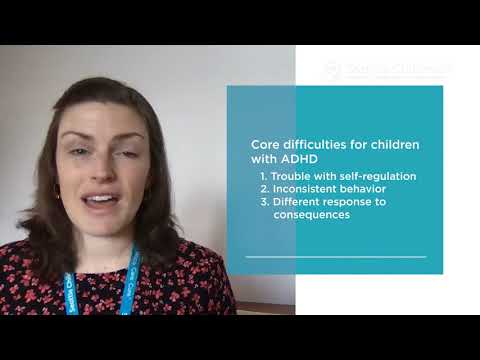
So, let’s chat about hyperactivity and some of that quirky behavior you might notice in yourself or others. You know, when it feels like someone just can’t sit still? It kind of leaves you wondering what’s going on in their brain. Well, the thing is, this hyperactivity can often be linked to a condition called ADHD, which stands for Attention Deficit Hyperactivity Disorder.
ADHD is more than just being a little too energetic. It affects how people think and behave. And what’s really interesting is its connection to memory challenges! Folks with ADHD might struggle with working memory. This means they have a tougher time holding onto information long enough to use it effectively. For example, if someone with ADHD hears instructions but can’t keep them in mind while starting the task, they may end up getting lost or confused.
Now, let’s break down some possible causes of hyperactivity and unusual behaviors:
- Genetics: It seems that ADHD can run in families. If one parent has it, there’s a higher chance the kids might show similar traits.
- Brain structure and function: Studies suggest that the brains of people with ADHD might look a little different—specifically in areas related to impulse control and focus.
- Environment: Sometimes external factors like stress at home or chaotic situations can play a role in how hyperactive someone appears.
The emotional rollercoaster that comes with ADHD can be exhausting for both the person dealing with it and their family. Imagine feeling overwhelmed by simply trying to pay attention during a conversation or keeping your thoughts organized—frustrating, right?
If you’re looking at potential solutions or ways to cope with these challenges, here are a few things that could help:
- Structured routines: Establishing clear routines helps create predictability—a lifesaver for many people with ADHD.
- Cognitive-behavioral strategies: These techniques can help manage thoughts and behaviors by reshaping how someone thinks about tasks and challenges.
- Physical activity: Regular exercise isn’t just good for your body; it’s also beneficial for mental health! It can help channel excess energy into something productive.
Anecdote alert! I once knew someone who could literally bounce off walls during class! But when they started taking short breaks between lessons and using fidget toys, everything changed. Suddenly, they were participating more actively because they’d found ways to manage their energy levels. Isn’t that cool?
The important thing here is awareness. Recognizing hyperactivity and unusual behavior as part of a broader spectrum of experiences allows us to be more compassionate—both towards ourselves and others. So next time you see someone struggling with focus or impulse control, maybe think of it as just another facet of human behavior rather than something negative!
This understanding can really make an impact on how we support those around us who might be dealing with these challenges every day.
Understanding ADHD and Its Impact on Memory Recall: Legal Perspectives and Considerations
ADHD, or Attention Deficit Hyperactivity Disorder, messes with more than just someone’s ability to focus. One of its less talked-about effects is memory, especially memory recall. You know, that frustrating moment when you can’t remember where you put your keys or what you were supposed to do next? That’s not just your average forgetfulness. For someone with ADHD, it can be a real challenge.
Memory Types Affected by ADHD
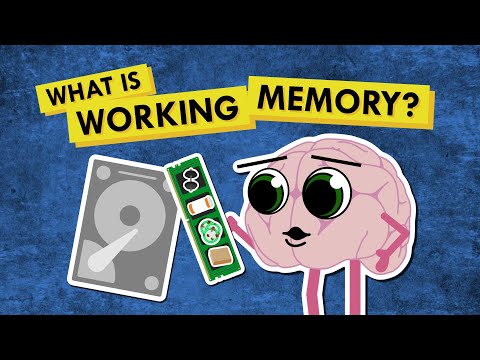
When we talk about memory in the context of ADHD, we’re mainly looking at two types: working memory and long-term memory. Working memory is like a mental sticky note; it holds information temporarily while you process it. Long-term memory is where things get stored for the future.
For people with ADHD, working memory often takes a hit. They might find it tough to juggle multiple tasks or hold onto information long enough to use it. Imagine trying to remember a phone number while also having a conversation—super hard!
The Legal Dimensions of Memory Challenges
From a legal perspective, understanding how ADHD impacts memory can be pretty crucial. For example:
Let’s say someone is involved in a legal case and struggles to recall events due to their ADHD. This can affect their testimony or recollection of details that matter immensely in court. And that’s not just their problem; it could impact the whole case.
The Relationship Between Memory and Psychological Health
ADHD doesn’t exist in isolation; it’s wrapped up in emotional health too. When people face constant challenges in recalling information—like forgetting plans with friends or missing deadlines—it can lead to feelings of inadequacy and anxiety.
Plus, being misunderstood due to these challenges can have serious repercussions on one’s self-esteem. It creates this cycle of stress that perpetuates more forgetfulness.
Coping Strategies: Finding Ways Around Memory Issues
So what do people do about this? There are ways to ease these struggles:
For instance, if you tend to forget your appointments, setting reminders on your phone could save you some hassle!
The key takeaway here? Understanding the connection between ADHD and memory issues isn’t just about recognizing difficulties; it’s about creating an environment where those challenges are acknowledged and accommodated—both legally and emotionally. Navigating life with ADHD can be tough but knowing you’re not alone makes things a bit easier!
Understanding ADHD Forgetfulness: Key Examples and Insights
So, ADHD, or Attention-Deficit/Hyperactivity Disorder, can bring along this whole package of challenges. One of the big ones is forgetfulness. You might be surprised, but it’s not just about being disorganized or absent-minded. It’s way more complex than that!
When someone has ADHD, their brain processes information differently. It’s like their attention radar is constantly switching channels—picking up some signals while missing others. This leads to forgetfulness in various situations. Sometimes it’s forgetting appointments, losing track of tasks, or even spacing out during conversations.
Understanding how ADHD affects memory can help us see why forgetfulness happens:
- Working Memory Issues: People with ADHD often struggle with working memory—the ability to hold and manipulate information temporarily. For example, if you’re given a multi-step instruction at work but only remember the first part, you might end up doing half the task and forgetting the rest.
- Distractibility: A person might get sidetracked by a passing thought or even noise around them. Imagine you’re in the middle of writing a report and suddenly hear your phone buzz; that distraction could lead to losing track of what you were doing.
- Lack of Interest: Sometimes, if someone finds a task boring, they might unconsciously tune it out. Let’s say you have to remember to pick up groceries after work but feel totally uninterested in that chore—you might just forget entirely!
- Emotional Factors: Stress and anxiety can also play huge roles in forgetfulness for those with ADHD. When emotions are running high, your brain may prioritize immediate worries over less urgent matters, like remembering appointments.
A few key examples really illustrate this issue well:
Imagine being at school and trying to concentrate during a lecture but zoning out because something shiny caught your eye across the room. By the time you’re back on track, you’ve missed important notes—leading to gaps in memory later on when it comes time for an exam! Or think about someone who jots down a grocery list but leaves it on the kitchen table—now they’re stuck trying to remember what they wanted while wandering through the store!
The **insight** here? Forgetting things isn’t just about not caring; it’s tied deeply into how brains process info with ADHD. Seeing these connections helps both those with ADHD and others understand that it’s not merely slip-ups—it’s behavior rooted in unique cognitive patterns.
If you know someone dealing with this—or if it’s you—you can approach situations involving forgetfulness with more empathy. It also opens up conversations about strategies that could help manage these challenges better!
The whole thing really boils down to understanding that memory struggles associated with ADHD are about more than just carelessness—they’re part of how someone navigates their world every day.
So, let’s talk about ADHD and memory challenges, because they’re kind of like two peas in a pod sometimes. If you know someone with ADHD, or if you’ve got it yourself, you might’ve noticed that holding onto memories can feel like an uphill battle. It’s not just about forgetting where your keys are (we’ve all been there). It’s more complex than that.
You see, attention and memory are super connected in our brains. When you struggle to focus—which is pretty common with ADHD—it’s hard to form those solid memories in the first place. Imagine trying to listen to a lecture while all your favorite songs are blasting in the background. Your brain is juggling distractions, and it becomes really tough to lock in any new information. That’s where things can get tricky.
I remember a friend of mine who had ADHD back in school. She’d often zone out during class, and then pop up a few seconds later, asking everyone what she missed. But here’s the kicker: even when she was fully there, she struggled with recalling what we learned just days later. It wasn’t because she didn’t care; her brain was just wired differently—trying to catch every little detail felt like trying to fill a sieve with water.
Now, memory challenges don’t just affect learning; they ripple into daily life too. Think about how many times you’ve forgotten birthdays or important appointments! For folks with ADHD, this can become more than just annoying—it can lead to significant stress and anxiety over time. Imagine the pressure of constantly feeling like you’re dropping the ball—it’s exhausting!
But here’s an interesting thing: people with ADHD often have strengths that balance these memory hurdles out. Creativity and problem-solving skills can be off the charts! Our memories might not always serve us well, but our unique ways of thinking can lead to some pretty amazing insights or ideas.
So yeah, recognizing that connection between ADHD and memory challenges is vital for understanding how people cope day-to-day. It’s not about labeling anyone as “forgetful” or “careless.” It’s about seeing the whole picture—the struggles along with those incredible strengths—and maybe finding ways to support one another through it all while being kinder to ourselves too!