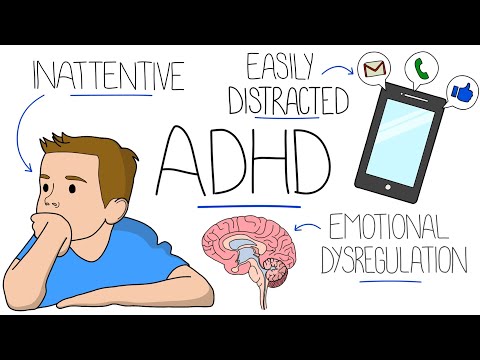
So, let’s chat about something that’s been popping up lately—ADHD and depression. Yep, they’re like these two pesky roommates that don’t really get along but somehow keep crashing the same party.
You know that feeling when your brain feels like it’s on overdrive, but at the same time, you’re stuck in this emotional funk? Yeah, that’s where a lot of folks find themselves.
A lot of people don’t even realize how these two can mix together and mess with your head. It’s kind of wild when you think about it. Like, one minute you’re bouncing off the walls, and the next, you just want to curl up under a blanket and binge-watch your favorite series.
So what’s going on there? We’ll dig into how ADHD can spark feelings of sadness and vice versa. Let’s break it down and see what makes this combo tick!
Understanding Low Frustration Tolerance in Adults with ADHD: Strategies for Management and Support
Low frustration tolerance (LFT) is something many adults with ADHD deal with. It’s like getting a little fuse that’s way too short, causing explosions over seemingly small things. Imagine you’re stuck in traffic, and instead of taking a deep breath or listening to your favorite playlist, it feels like the world is collapsing around you. That’s LFT in action.
Now, what causes this? Well, our brains are pretty wired differently when ADHD is involved. This can make emotions feel more intense and overwhelming. So when something doesn’t go as planned—even if it’s just missing a deadline—it can trigger an emotional response that seems way out of proportion.
- Emotional Dysregulation: This means difficulty managing emotions. When frustration hits, it’s like opening a floodgate. Instead of handling it calmly, there might be anger or sadness that seems excessive.
- Sensory Overload: Adults with ADHD often struggle with processing too much information. Too many noises or distractions can crank up frustration levels quickly.
- Perfectionism: Sometimes, people set incredibly high standards for themselves. When reality doesn’t match those expectations, frustration kicks in hard.
You might find yourself saying things like “I can’t handle this!” over small inconveniences because the emotional response isn’t just about the situation at hand—it’s about everything leading up to that moment too.
So how do we manage this? There are some pretty practical strategies that can help ease the load:
- Breathe and Pause: It sounds simple but taking a moment to breathe deeply can help you reset your feelings. Count to five before reacting; it creates space for calmness.
- Identify Triggers: Keep track of what situations really set off your frustration. Knowing triggers makes it easier to prepare for or avoid them when possible.
- Create Supportive Environments: Surround yourself with people who understand your challenges and who’ll back you up when emotions run high.
A friend of mine once mentioned how she’d lose it over her kids’ messy toys scattered all over the living room. But once she realized that she could take ten minutes to tidy up herself without letting it become a full-blown meltdown, things got easier. She learned to communicate her needs without letting frustration take control!
The connection between low frustration tolerance and conditions like depression can also complicate things further. When someone is already feeling down or overwhelmed by life’s demands, even minor setbacks feel massive and unmanageable—like the weight of the world on their shoulders.
This interplay highlights how crucial understanding these patterns is for support systems—whether they’re friends or therapists—or even workplaces!
A supportive environment where you feel heard makes a huge difference in managing LFT effectively. Remembering to practice self-compassion goes hand-in-hand with building those strategies.
Every little win counts! It’s okay not to get everything right; what matters most is learning ways to cope without feeling trapped by frustration.
Exploring the Connection: How Untreated ADHD May Lead to Depression and Anxiety
So, let’s talk about ADHD and how it can mess with your mental health. ADHD, or Attention-Deficit/Hyperactivity Disorder, is often misunderstood. It’s not just about being energetic or distracted; it’s a full-on challenge. If left untreated, ADHD can actually lead to bigger issues like depression and anxiety. Seriously, it’s a real connection.
You see, when someone has untreated ADHD, they might struggle in areas like school or work. They could miss deadlines or forget important tasks, which can really chip away at their self-esteem. Imagine feeling like you’re always two steps behind everyone else. That constant battle? It wears you down.
The thing is, these feelings of inadequacy don’t just stop there. As stress builds up from failing to meet expectations—whether they’re self-imposed or from others—you might start feeling low and anxious. It’s like this nasty cycle: the symptoms of ADHD create problems that lead to depression and anxiety.
- Low Self-Esteem: Constantly struggling with focus can lead you to doubt yourself.
- Social Isolation: Friends may not understand why you can’t keep up with plans or conversations, making you withdraw.
- Chronic Stress: The pressure to perform when struggling can trigger anxiety responses in the body.
I remember a friend in college who had ADHD but didn’t get diagnosed until way too late. He was brilliant but always felt like he was letting everyone down because he couldn’t complete assignments on time. Over time, that turned into deep sadness and feeling constantly anxious about failing again—not fun at all!
Bouncing back from this requires some effort and support! When ADHD is managed properly—sometimes with medication or therapy—those feelings of depression and anxiety can lessen significantly. You see the link now? It’s all intertwined.
The bottom line is that if someone has ADHD and they’re feeling off emotionally, it might be time to look deeper into those connections between their mental health conditions. And remember: getting help isn’t a sign of weakness; it’s actually a brave step toward feeling better!
If you know someone going through this—or maybe that’s you—talking about these feelings is super important because acknowledging it is the first step towards taking control.
Understanding Hyperactive Depression Symptoms: Key Signs and Insights
So, let’s chat about this thing called hyperactive depression. It’s not just the standard kind of depression—it carries its own quirks, especially when you throw ADHD into the mix. You might be thinking, «What’s the deal with that?» Well, let’s break it down.
First off, hyperactive depression often manifests as a mix of classic depressive symptoms and hyperactivity. Imagine feeling drained and low in mood but having this restless energy simmering just beneath the surface. It’s like wanting to sleep yet being unable to sit still. Confusing, right?
- Restlessness: You might find yourself pacing or fidgeting more than usual. This isn’t just being a little twitchy; it can feel overwhelming!
- Racing thoughts: Your mind may jump from one idea to another so quickly that it’s tough to keep up. One minute you’re thinking about your work deadlines and then suddenly about what to have for dinner.
- Irritability: Small things can set you off. Maybe someone chewing loudly feels like nails on a chalkboard, and it can feel exhausting trying to rein in those emotions.
- Lack of focus: With everything happening at once, concentrating can become a chore. You start five tasks but finish none because your brain is all over the place!
You know how it feels when you’re in a crowd but still feel alone? That sense of isolation hits hard with hyperactive depression. It’s like you’re trapped inside your head while everyone else seems fine.
Anecdote time: Picture a friend who always looks energetic at parties—laughing, dancing around—but behind that smile hides a deep sadness and fatigue they don’t show outwardly. They might bounce back quickly from conversations but feel emotionally drained for days afterward.
It gets trickier, though! Managing ADHD alongside depression complicates everything even more. The impulsive choices we make when we’re depressed can lead us into cycles that are tough to break out of.
If you notice these signs in yourself or someone you care about, it helps to recognize them early rather than letting things spiral further downwards.
- Sarcasm instead of sadness: Humor can be a mask; often people joke around because they don’t want others to see their hurt.
- Pushing through tiring work: You may seem productive on the outside but feel completely wiped out inside.
The good news is there are ways forward! Understanding hyperactive depression opens doors for better coping strategies and treatment plans tailored specifically for you or your loved ones. Just remember: recognizing these symptoms is such an essential first step.”
You know, ADHD and depression can feel like a really tough combo for a lot of people. Imagine waking up every day feeling overwhelmed by thoughts racing around in your head while also battling feelings of sadness or hopelessness. It’s like trying to swim with weights tied to your ankles.
There’s this constant push and pull happening. On one side, ADHD can bring a whirlwind of energy and creativity, but that often clashes with the flatness that comes with depression. You might find yourself excited about an idea one moment and then totally drained the next. It’s frustrating, right? The thing is, when these two conditions coexist—ADHD and depression—they can amplify each other’s nasty symptoms.
For instance, you could be struggling to focus because ADHD is making it hard to tune in on tasks. That frustration can lead you down the rabbit hole of negative thinking, which is where depression kicks in. You might start feeling like you’re never going to get anything done or that you’re somehow less capable than others. It’s such a vicious cycle!
I once had a friend who dealt with both ADHD and depression. He was this brilliant guy full of wild ideas but would often feel stuck in his own mind like he was trapped inside an echo chamber of doubt and fatigue. Even something as simple as getting out of bed could feel monumental at times. He’d talk about how exhausting it was—always fighting against his brain just to keep up with everyday life.
On the flip side, when he learned to manage his ADHD symptoms better—through things like structure and support—it made a difference for his mood too! With some guidance from trusted friends and professionals, he found small ways to break tasks into bite-size pieces that felt more doable. And you know what? Just having those little wins helped lift him out of some darker days.
So basically, the connection between ADHD and depression isn’t just about struggling; it’s about finding ways to embrace both aspects while looking for balance. There’s no quick fix here; it’s more about understanding how they feed into each other—and realizing that you’re not alone if you happen to be juggling both situations.
In short (or long!), know that navigating through this interplay is definitely not easy, but there are paths out there—for support or understanding—that might help light up some corners where darkness tends to creep in unexpectedly!