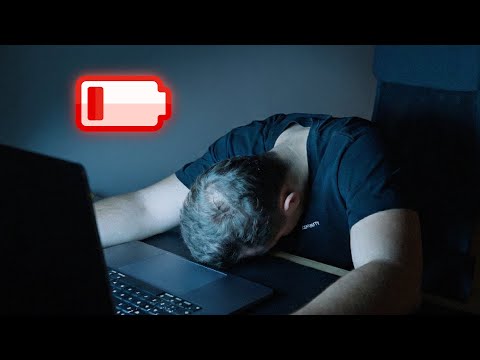
Hey! So, let’s talk about something a little tricky: ADHD and emotions. When you have ADHD, it can feel like your emotions are on a rollercoaster.
You know, one minute you’re super excited, and the next, you’re frustrated for no clear reason. It’s exhausting! Seriously. I mean, think of a time when you felt overwhelmed by feelings—like they just snuck up on you.
Understanding this emotional ride is key. It helps to know what’s happening inside your head. So, grab a snack and let’s dive into how ADHD affects emotions and what you can do about it!
Effective Strategies for Treating Emotional Dysregulation in ADHD
Emotional dysregulation is something many people with ADHD deal with. It can make feelings seem super intense and overwhelming. You might find yourself blowing up over little things or feeling really low for no apparent reason. It’s not fun, but there are effective strategies to help manage these emotions.
One helpful approach is **mindfulness**. Mindfulness means being in the moment and paying attention to what you’re feeling without judgment. So, if you’re feeling angry, instead of reacting right away, you pause and ask yourself what’s actually going on. This breathing space lets you cool down before making any impulsive decisions.
Another good strategy is **cognitive-behavioral techniques**. These can help you recognize negative thought patterns that might be fueling your emotional reactions. For example, if you think “I’m always messing up,” it can lead to feelings of frustration or sadness. Challenging that thought—like thinking “I made a mistake, but I can learn from it”—shifts your mood.
Sometimes, talking about your feelings can be really beneficial too. This is where regular **check-ins** with yourself or a trusted friend come into play. You can share what’s been bothering you lately, which helps lighten the load on your emotional state.
Creating a safe space for emotions is crucial as well. Think about developing a **feelings journal** where you jot down what you’re experiencing day by day. This act of writing things down helps put some distance between you and those big feelings while giving them an outlet.
Also, don’t forget about the physical aspect! Exercise plays a significant role in how we feel emotionally. Regular movement releases endorphins—those lovely feel-good chemicals that help lift your mood and reduce stress.
Finally, consider routines that promote **self-care** habits like adequate sleep, balanced nutrition, and relaxation techniques such as yoga or meditation. These practices support overall emotional health and create a more stable foundation for managing emotions throughout the day.
In summary:
- Mindfulness helps stay present in tough moments.
- Cognitive-behavioral techniques shift negative thought patterns.
- Check-ins with friends provide support.
- A feelings journal offers an emotional outlet.
- Exercise boosts mood through endorphin release.
- Self-care routines establish stability.
By incorporating these strategies into daily life, tackling emotional dysregulation related to ADHD doesn’t have to feel impossible anymore! It’s all about finding what works best for you and making small adjustments along the way—just remember you’re not alone in this journey!
15 Effective Strategies to Manage Explosive Emotions in ADHD
Managing explosive emotions can be a real challenge for anyone, but especially for folks with ADHD. You know how it goes—one minute you’re chilling, and the next, bam! Anger or frustration just bubbles up. Here are some strategies that can help you navigate those intense feelings.
1. Recognize Your Triggers
Start by figuring out what sets off your emotional fireworks. Is it certain situations or people? Maybe a lack of sleep? Jot down moments when you lose your cool and look for patterns. Once you know what triggers you, it’s easier to prepare.
2. Practice Breathing Techniques
When things get heated, try taking slow, deep breaths. Seriously! Just inhaling through your nose and exhaling through your mouth can do wonders to calm down that racing heart. Count to five as you breathe in and out.
3. Use a Mood Journal
Writing about your feelings is like having a chat with yourself. Spend a few minutes each day noting how you felt and what happened during those times. Over time, this helps you see patterns and gives insight into how to handle emotions better.
4. Implement Grounding Exercises
Grounding techniques can help bring you back to the present moment when emotions start to surge. Try focusing on what you can see, hear, or feel around you—like the texture of an object in your hand or the sound of birds outside.
5. Engage in Physical Activity
Exercise is not just about staying fit; it’s great for managing emotions too! Going for a walk or doing some quick stretches can release pent-up energy and boost your mood almost instantly.
6. Set Up a Safe Space
Having a go-to spot where you can cool down really helps. This might be a cozy nook in your home or even outside where it’s peaceful—somewhere that feels safe and allows you to regroup emotionally.
7. Cultivate Healthy Outlets
Find activities that let out your feelings positively—art, music, even cooking! These creative outlets give space for self-expression without hurting anyone else.
8. Use Visual Reminders
Consider putting up sticky notes around your living space with reminders like “Pause” or “Breathe.” They’ll catch your eye when emotions start creeping up again.
9. Seek Support from Friends or Family
Don’t hesitate to reach out when things get tough; having someone listen can be really comforting! Just sharing how you’re feeling with someone who gets it makes everything seem less daunting.
10. Learn Self-soothing Techniques
This might mean cuddling up with a favorite blanket or sipping on tea—whatever brings comfort during heightened emotions works! Finding those small comforts is super helpful in cooling off tension quickly.
11. Practice Mindfulness Meditation
Meditation isn’t just sitting still; it’s about being aware of what’s happening inside (and outside) of you without judgment. Start with just five minutes each day and build from there!
12. Explore Professional Guidance if Needed
Sometimes talking with someone who understands ADHD and emotional management could offer some good strategies tailored specifically for you—it doesn’t have to be therapy; maybe just guidance!
13. Develop Routines
Creating daily routines provides structure that might help reduce emotional instability—you know what to expect throughout the day which often reduces surprises that could trigger explosive feelings!
14. Limit Caffeine Intake
Caffeine might give us energy but also amplifies anxiety for many people—even more so if you’ve got ADHD already at play! Try moderating how much you’re drinking if you’ve noticed agitation afterward.
15. Celebrate Small Wins!
Lastly but certainly not least: give yourself credit when things go right! Managing emotions isn’t easy, so recognize every little step forward—even on tough days!
Remember: these strategies are tools in your kit; not everything will work perfectly all the time because life is unpredictable! The important thing is finding what resonates best for *you*.
Understanding ADHD Emotional Dysregulation: Key Examples and Insights
ADHD, or Attention Deficit Hyperactivity Disorder, is often thought of as a condition that mainly affects attention and hyperactivity. But, there’s another big piece to it: emotional dysregulation. So, what does that mean for people with ADHD? Let’s break it down a bit.
Emotional dysregulation in ADHD refers to the difficulties some folks have when it comes to managing their feelings. You know how sometimes you might feel overwhelmed with emotions? For those with ADHD, this can happen more frequently and intensely. Imagine this: you’re in a heated discussion about something trivial; suddenly, you might find yourself super angry or ready to cry—like, out of nowhere!
One of the key things to grasp here is that emotional responses are often linked to impulsivity in ADHD. So when someone feels a surge of an emotion—like frustration—they might react without thinking first. This leads to outbursts or responses that don’t always match the situation at hand. It’s not like they want to act out; it just happens before they can even catch their breath.
- Overreaction: Picture this: your friend forgets your birthday. Instead of just feeling sad for a moment, someone with ADHD might go into a full-blown meltdown, feeling abandoned or unworthy.
- Difficulty calming down: After an emotional spike, it’s often tough for those with ADHD to cool down quickly. They may need **extra time** and support rather than just being told to «calm down.»
- Sensitivity: Many people with ADHD are more sensitive to criticism or even constructive feedback. Their emotional response can be magnified because they’re already dealing with all sorts of internal chaos.
You see, these challenges aren’t about being dramatic or seeking attention; they stem from brain wiring that complicates emotional processing. When emotions fly high due to dysregulation, it affects not only personal relationships but also daily life tasks—think school, work environments, or even social situations.
The impact isn’t just immediate either. When someone faces constant ups and downs emotionally, it can lead to longer-term issues like anxiety or low self-esteem—making everything feel more complicated than it needs to be.
If you know someone dealing with this kind of emotional roller coaster due to ADHD, one way you can help is by offering support without judgment. Just being there for them during tough times can make all the difference! Understanding what they’re experiencing inside helps create empathy and patience—the building blocks for better connections.
It’s pretty clear that understanding emotional dysregulation within the context of ADHD goes beyond surface-level behavior—it taps directly into how feelings work (or don’t work) in their brains! If we all get just a little more informed about the nuances here, we could foster kindness and support much more effectively!
You know, when you think about ADHD, it’s easy to get caught up in the whole “can’t focus” idea. But honestly, one of the most interesting things about it is how it messes with emotions. Like, imagine being a kid who’s bouncing off the walls and then gets hit with feelings that feel way too big for them to handle. That’s pretty stressful!
So picture this: There’s a kid named Jake. He’s super bright and creative, but when he gets excited about something—like a new video game—he just goes overboard. He can’t help but shout and jump around. But then, if he suddenly loses, all that joy flips into frustration or sadness really fast. For Jake, emotions are like waves at the beach; sometimes they’re calm and gentle, but in a blink they can crash down hard.
Psychology tells us that kids like Jake often experience emotional dysregulation. That means they might struggle to keep their feelings in check or understand what they’re feeling at any given moment. It’s not just them being dramatic; it’s like their brains are wired differently when it comes to processing emotions.
Research shows that people with ADHD might have lower levels of certain chemicals in the brain—like dopamine—which play a huge role in feeling good and managing emotions effectively. So when something doesn’t go as planned or their excitement turns into disappointment, they may not bounce back as quickly as others do.
But here’s where it gets really cool: understanding this emotional rollercoaster can help both kids and adults manage their feelings better! If someone knows that they might react strongly due to ADHD, they can start learning some tools to handle those waves more smoothly. Things like mindfulness or breathing exercises can give them pause before reacting—which is so important!
It’s also crucial for families and teachers to be supportive without judgment. A little empathy goes a long way! Knowing that someone isn’t just acting out for no reason can shift perspectives dramatically.
Real talk? Life with ADHD isn’t easy when it comes to managing emotions, but recognizing these patterns opens up pathways for growth. It helps create understanding environments where kids like Jake learn how to navigate their highs and lows more gracefully, you know? It’s about equipping them with skills so those big feelings don’t feel so overwhelming anymore—it makes all the difference!