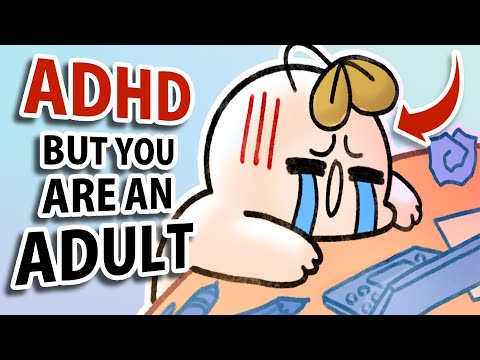
So, let’s talk about ADHD—it’s not just about being hyper or distracted, you know? There’s this whole emotional rollercoaster that often rides along with it. You might be surprised by how much our feelings can swing when ADHD is in the picture.
Ever had one of those days where your mood shifts faster than a Zoom call? One minute you’re on top of the world, and the next, you feel like you’re stuck in quicksand. For many with ADHD, that’s a pretty normal thing. It’s wild how emotions can feel so intense and change so quickly.
Anyway, we’re going to unpack that a bit. We’re diving into why these emotional fluctuations happen and how they shape our day-to-day lives. It’s a lot more common than you think! So buckle up; we’re in for an interesting chat!
15 Effective Strategies to Manage and Navigate Intense Emotions in ADHD
Managing intense emotions can feel like riding a roller coaster, especially if you have ADHD. But there are strategies you can use to help navigate those waves of feeling. Here are some effective approaches.
1. Deep Breathing
When you’re feeling overwhelmed, taking a moment to breathe deeply can make a huge difference. Inhale through your nose for four counts, hold it for four, and exhale through your mouth for another four. It helps create instant calm!
2. Mindfulness Techniques
Mindfulness is all about being present in the moment without judgment. You might try focusing on something simple, like the sensation of your feet on the ground or the sounds around you. It brings you back to reality instead of getting lost in those swirling emotions.
3. Journaling
Writing down your feelings can be a great way to process them. Just spill everything onto the page; there’s no right or wrong way to do it. You could even try writing letters to yourself or to someone else that you never send.
4. Visual Imagery
This involves picturing a calm place in your mind—like a beach or a quiet forest—and immersing yourself in that image whenever emotions run high. Close your eyes and imagine every detail until you feel more grounded.
5. Physical Activity
Getting active is one of the best ways to release pent-up energy and frustration! Whether it’s dancing, going for a quick run, or practicing yoga, moving your body reduces stress hormones and boosts mood.
6. Establish Routines
Creating daily routines can provide structure and predictability, which is super helpful when emotions start to spike unexpectedly! Consistency makes it easier to manage emotional ups and downs.
7. Break Tasks Into Smaller Steps
If you’re feeling overwhelmed with tasks—like homework or chores—try breaking them down into smaller steps that feel more manageable. Ticking off little accomplishments often smooths out those emotional bumps.
8. Use fidget tools
Fidget toys or stress balls can provide physical outlets when feelings get intense! They help channel that restless energy while giving your mind something else to focus on.
9. Create an Emotion Chart
You could make an emotion chart with different feelings and corresponding colors or drawings that represent them—this makes it easier to identify how you’re feeling at any moment.
10. Talk It Out
Talking things over with someone who understands—like friends, family members, or mentors—can be super helpful! Sometimes just sharing what you’re going through lightens the emotional load.
11. Set Aside Time for Relaxation
Carving out time in your day for relaxation is key too! Whether it’s reading your favorite book, taking a bath, or watching a show you love, these moments help recharge your emotional battery.
12. Practice Gratitude
Taking time each day to reflect on what you’re grateful for shifts focus away from negative emotions and creates space for more positive feelings (even small things count!).
13. Challenge Negative Thoughts
When intense feelings hit hard, it’s easy to spiral into negative thinking patterns just like “I can’t do anything right.” Challenge these thoughts by reminding yourself of times you’ve succeeded despite struggles!
14. Social Support Groups
Connecting with others who experience similar challenges can be comforting! Participating in support groups provides not only advice but also understanding from those who really get what you’re going through.
15. Seek Professional Help if Needed
There’s no shame in reaching out for professional support if things ever start feeling too heavy; therapists trained in ADHD understand this emotional roller coaster and can help navigate it better!
Using these strategies may not stop intense moods completely—but they’ll definitely give you tools to ride those waves more smoothly! Remember that everyone experiences ups and downs; what matters is how we learn from them along the way!
Understanding ADHD Emotional Dysregulation: Navigating Its Impact on Relationships
ADHD, or Attention-Deficit/Hyperactivity Disorder, isn’t just about trouble focusing or being hyperactive. One of the less talked about aspects is emotional dysregulation. This can really impact relationships. So, let’s break down what that means.
When someone has ADHD, their emotional responses can be intense and fluctuating. You know how sometimes you get a little upset and it snowballs into something much bigger? For those with ADHD, this can happen a lot more easily. It’s like their emotions are on a roller coaster without brakes. One minute they’re happy and the next they’re feeling overwhelmed.
This tendency for emotional swings can create misunderstandings in relationships. Imagine this: your friend with ADHD seems fine at first but then suddenly gets angry over something small. You might think, “Why are they acting like this?” It’s not always easy to see that there’s more going on behind the scenes—like their brain processing emotions differently.
Now, let’s look at some key points about how this emotional dysregulation plays out in relationships:
- Intense Reactions: Someone with ADHD may react strongly to minor frustrations. A missed call or change of plans can feel like a big deal.
- Difficulty Calming Down: Once emotions are triggered, it can take longer for them to return to a baseline state.
- Miscommunication: Sometimes the way they express these feelings may come off as aggressive or too extreme for the situation.
- Reader’s Digest Version of Feelings: They might struggle to explain what they’re feeling clearly, leading to further confusion.
- Overwhelm from External Stimuli: Things like loud noises or busy environments could amplify feelings and make normal interactions harder.
So, how does all this play out in real life? Picture a couple trying to have an honest conversation about plans for the weekend. If one partner has ADHD and feels cornered by questions or decisions, their frustration could flare up quickly. Suddenly what was supposed to be a casual discussion turns into an emotional standoff.
But here’s the thing: understanding is key! If someone’s aware of what’s going on—like recognizing that their partner’s emotional reactions might be tied to ADHD—they can navigate conversations more smoothly. Communication becomes extra important here; it’s all about letting each other know when things get tough.
Another cool aspect is learning self-regulation strategies together. This could mean taking breaks during heated moments or using calming techniques when things start getting overwhelming. You follow me?
Emotional dysregulation due to ADHD doesn’t mean relationships have to suffer. With patience and understanding from both sides, it can lead to stronger connections rather than damaged ones. Engaging in open conversations helps bridge those gaps!
In short, while managing emotional fluctuations related to ADHD can be tricky, recognizing these patterns is vital for fostering healthier relationships over time!
Effective Treatments for ADHD-Related Emotional Dysregulation: Strategies and Insights
Living with ADHD, you might notice that managing emotions can be like riding a rollercoaster. One moment you’re up, and the next, you’re down. This emotional dysregulation is quite common among those with ADHD. It can create challenges not only for you but also for the people around you. So, what can help?
First off, recognizing emotional triggers is key. Think about situations that make your heart race or leave you feeling overwhelmed. Maybe it’s a stressful meeting or an unexpected change in plans. Keeping a mood diary could be useful here. By jotting down your feelings and the events leading up to them, you start to see patterns, which is pretty enlightening.
Then there’s **mindfulness**. Seriously! Practicing mindfulness can help ground you when emotions flare up unexpectedly. Even something basic like deep breathing exercises can make a world of difference. You know those moments when your mind races and your heart pounds? Just stopping for a moment to breathe deeply can reset things for a bit.
Also important? Don’t underestimate the power of routine! People with ADHD often thrive on structure. A consistent daily routine helps create predictability, which can lessen emotional chaos throughout the day.
Physical activity plays its part too! Regular exercise has been shown to help regulate mood and reduce anxiety levels because it releases those feel-good chemicals called endorphins. So whether it’s running, dancing, or just taking brisk walks—get moving!
Consider adding some **cognitive-behavioral strategies** into your toolbox too. This isn’t just fancy talk; it means realizing how thoughts affect feelings and behaviors. For example, if you’re thinking “I can’t handle this,” try flipping that script to something more positive like “This is tough, but I’ve handled tough things before.” It’s about giving yourself a little pep talk—sounds cheesy but hey, it works!
Finally, social support matters loads! Talking it out with friends or family can really lighten the load on your emotions—even sharing a laugh helps! You might want to consider joining a support group where others understand exactly what you’re going through.
To sum this all up:
- Recognize emotional triggers: Journal about your emotions.
- Practice mindfulness: Deep breathing is key.
- Create structure: Routines provide predictability.
- Stay active: Exercise boosts mood!
- Cognitive-behavioral strategies: Change negative thoughts into positive ones.
- Seek social support: Talk with friends or find groups.
With these strategies in play, managing emotional dysregulation becomes less daunting—like finding the right tools in a toolbox when things get rough! So give some of these techniques a shot and see what resonates with you—you’ve totally got this!
You know, when we talk about ADHD, we often think about the classic symptoms like inattention or hyperactivity. But there’s this whole other side to it that doesn’t get as much spotlight: emotional fluctuations. Seriously, it’s such a rollercoaster ride sometimes!
Take my friend Sam, for instance. He’s got ADHD and can go from zero to a hundred in seconds. One moment he’s making jokes and laughing hysterically, and the next, he’s sulking in a corner over a tiny mistake he made. That’s not just him being dramatic; it’s actually tied to how ADHD affects emotional regulation.
So what’s going on here? Well, people with ADHD can struggle with emotional responses because their brains process emotions differently. It’s like having a volume knob that’s stuck on high! When something triggers an emotion—good or bad—their reaction can be intense. This is partly due to the way neurotransmitters work in their brains, especially dopamine and norepinephrine.
Imagine trying to focus on something while you’ve got this whirlwind of feelings swirling around inside you. It can be exhausting! Emotional dysregulation is super common among those with ADHD. Sometimes little things—like losing your keys—can feel like the end of the world. Other times, you might find yourself feeling ecstatic over small wins. It’s all part of navigating life with ADHD.
And here’s another thing: people around them might not get it right away. Friends or family might think they’re overreacting or just being moody when really it’s just part of their experience. This misunderstanding can make relationships tricky at times.
One important note is that these emotional ups and downs don’t define someone with ADHD; they’re just part of the picture. People learn strategies that help them manage these fluctuations over time—like mindfulness practices or finding creative outlets for their feelings.
The real takeaway here is understanding that if you’re dealing with these emotional highs and lows—or you know someone who is—it doesn’t mean they’re not capable of thriving; they just see the world through a unique lens, one filled with vibrant colors and intense feelings that keep shifting! So offering patience and genuine support goes a long way in helping navigate those unsteady waters together.