You know how sometimes you just feel like you’re on an emotional rollercoaster? One minute you’re up, and the next, BAM! You’re furious for no apparent reason.
Well, for many folks with ADHD, that’s a pretty common experience. Seriously! It’s like having a mind that jumps from one thought to another without stopping to breathe.
Anger management can become a real challenge. It’s not just about losing your cool; it’s more complicated than that. And honestly? It can be exhausting trying to figure it all out.
Let’s take a closer look at why this happens and what it really means for those living with ADHD. You might find some pieces of the puzzle that resonate with you or someone you know.
Effective Strategies for Managing ADHD Emotional Dysregulation: A Comprehensive Guide
Managing emotional dysregulation when you have ADHD can be tough. It’s like riding a rollercoaster—up and down, twists and turns, and sometimes it feels out of control. But there are ways to smooth out those wild rides. Let’s break this down.
Understanding Emotional Dysregulation
So, emotional dysregulation in ADHD means having a hard time controlling your feelings. This can lead to intense emotions like anger, frustration, or sadness that come on strong and leave you feeling overwhelmed. You know that moment when something small sets you off? That’s emotional dysregulation at play.
Recognizing Triggers
To manage these emotions better, first off, you gotta recognize what triggers them. Is it stress at work? Conflicts with friends? Boredom? Keeping a journal can help you spot patterns over time. Write down your feelings and what happened just before they hit. It sounds simple but can really open your eyes.
Mindfulness Techniques
Mindfulness is all about being present in the moment. When you start feeling those big emotions swell up, try taking a step back and breathing deeply for a few moments. Focus on your breath—inhale through your nose, hold for a second, then exhale slowly through your mouth. Seriously, it’s simple yet effective!
- Count to Ten: If anger strikes suddenly, count to ten before reacting.
- Grounding Exercises: Bring your attention to the physical world; focus on textures around you or the feel of the ground underfoot.
Coping Strategies
Having coping strategies in place is key! Think about what calms you down when emotions kick in.
- Take Breaks: If things get overwhelming during tasks or conversations, don’t hesitate to take a quick break.
- Physical Activity: Exercise can help release pent-up emotions—go for a run or hit the gym!
- Create Safe Spaces: Designate areas where you feel comfortable expressing yourself without judgment.
For instance, let’s say you’re working on an important project. You suddenly feel frustration building because things aren’t coming together as planned; stepping away for five minutes might recharge your mind!
Talk It Out
Talking about how you feel with someone who gets it can make a world of difference. Whether it’s friends or professionals, sharing these experiences helps lighten the load—and often they might share their own similar experiences too!
Acknowledge Your Emotions
Sometimes we’re told not to be too emotional or that our feelings don’t matter as much as others’. But here’s the thing: your emotions are valid! Acknowledging them instead of pushing them down is vital for proper management.
In situations where anger bubbles up at someone close to you over something minor (maybe they borrowed your favorite shirt without asking), pause and remind yourself: “I’m feeling angry right now.” Just naming it creates distance between yourself and that powerful emotion.
The Role of Professional Help
If managing emotional dysregulation feels like climbing Everest every day, don’t hesitate to reach out for professional help if needed! Therapists specialize in helping people navigate these challenges and can offer tailored strategies just for you.
It might seem overwhelming at times—but with some strategies in place and understanding of how ADHD affects feelings, it becomes easier to ride the waves instead of getting tossed around by them!
Exploring the Connection Between ADHD and Age-Related Anger Management
Emotional turmoil is no joke, especially when it comes to ADHD and anger management. If you’ve got ADHD, you might already know that your emotions can feel like a rollercoaster ride. But as we age, those feelings can get even trickier to navigate. Let’s break this down a bit.
First off, what is ADHD? Attention Deficit Hyperactivity Disorder affects how you pay attention, control impulses, and regulate emotions. It’s not just about being hyper or having trouble sitting still; it also involves emotional processing. And when you’re dealing with strong feelings—like anger—it can amplify the chaos in your head.
As we get older, life changes. Responsibilities grow. Stress from work or family can stack up like dirty dishes in the sink. For someone with ADHD, this stress can trigger emotional outbursts or intense anger that feels almost overwhelming.
- Hyperactivity and Impulsiveness: These traits often don’t vanish with age. Instead, they might morph into more subtle forms of impulsive behavior that can be harder to spot but just as disruptive.
- Emotional Dysregulation: Managing emotions becomes a tug-of-war. You may feel irritated faster than others or find it hard to calm down after something ticks you off.
- Life Challenges: Aging brings about new challenges—from job stress to relationships—that might make anger management even tougher for someone with ADHD.
I once knew someone named Jake who had ADHD. He was always the life of the party in his 20s—funny and energetic! But as he entered his 30s and began a demanding job while juggling family life, small frustrations turned into major blow-ups over trivial things like someone taking the last cookie or forgetting an appointment time. Jake found himself feeling frustrated way more often than before
The question arises: why does all this happen? Well, research suggests that the brain’s ability to manage emotions relies on a part called the prefrontal cortex—it’s kinda like the manager of your emotional responses. For people with ADHD, this area tends to be less active or developed differently, which can lead to struggles in regulating feelings like anger.
- Coping Strategies: As you age, developing better coping strategies becomes critical. This could be mindfulness practices or just finding healthy outlets for frustration.
- The Power of Routine: Establishing predictable routines helps reduce unpredictability in life—less unpredictability means fewer angry outbursts!
- Saying No: Learning when to set boundaries is crucial and saying «no» sometimes lets you avoid situations that trigger anger altogether.
Aging doesn’t automatically mean your ability to manage anger improves; instead, it’s more about learning techniques that work for you over time! Keeping open communication with friends and family about how you’re feeling makes a huge difference too!
The takeaway here is simple: yes, there’s a connection between ADHD and age-related challenges with managing anger. But understanding it gives you a chance to arm yourself with tools that help turn those emotional storms into manageable breezes!
Understanding the Impact of ADHD on Emotional Regulation: Exploring Challenges and Strategies
When we talk about ADHD, or Attention Deficit Hyperactivity Disorder, it’s not just about attention issues. One of the big areas it impacts is emotional regulation. That means how you manage and respond to your emotions. For people with ADHD, this can often feel like riding a roller coaster without a seatbelt!
You might notice that emotions can swing wildly—like one moment you’re excited, and the next, you’re overwhelmed with frustration or anger. It’s not just you. Many experience these intense emotional shifts, which sometimes lead to challenges in managing anger.
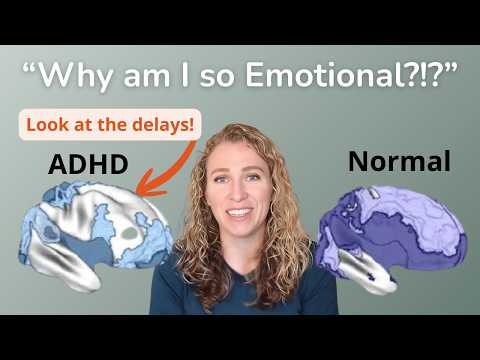
So why does this happen? Well, it turns out that ADHD affects the brain’s ability to process emotions effectively. The areas responsible for impulse control and emotional responses don’t communicate as smoothly as they do in folks without ADHD. As a result, feelings can feel more intense and harder to handle.
- Impulsivity: When you’re feeling angry or upset, you might snap at someone before even thinking about it—like that time your friend borrowed your favorite shirt without asking!
- Overwhelm: Sometimes everyday stressors pile up, leading to emotional overload. You know how it feels when everything seems too much? For someone with ADHD, that flood of emotions can be especially tough.
- Difficulty with social cues: Picking up on social signals can be tricky. You might misinterpret a friend’s joking tone as serious, causing frustration or anger even when it wasn’t meant that way.
This isn’t all doom and gloom though! There are ways to tackle these challenges head-on. It’s all about finding strategies that work for you.
- Mindfulness techniques: Breathing exercises or meditation can help ground you during overwhelming moments. Think of it like hitting the pause button for a bit.
- Therapeutic interventions: Working with therapists who understand ADHD can provide tools specifically geared toward managing emotions better.
- Routine building: Establishing daily routines could help create predictability in your life which might ease some of those emotional spikes.
- Regular physical activity: Exercise releases those feel-good chemicals called endorphins! Getting active regularly may boost mood and help regulate those intense feelings.
The journey with ADHD and its impact on emotional regulation is unique for everyone but understanding what’s going on in your brain is a powerful first step.
By recognizing these patterns—and trying out some strategies—you can work towards more balanced emotional responses over time!
So, let’s chat about something that can really mess with your head—emotional turmoil, especially when it comes to ADHD and how it can throw anger management into the mix. I mean, if you’ve got ADHD, you might find yourself feeling things way more intensely than others. It’s like riding a rollercoaster where every twist and turn is amplified. You follow me?
I remember a friend of mine who had ADHD—let’s call him Mike. He was super creative and funny, but one minute he’d be laughing about a joke from a show we watched together, and the next minute he’d be exploding over something small. Like, honestly, who gets that mad about someone borrowing their favorite pen? But for him, it was like that pen symbolized something much bigger; maybe it felt like loss of control or being disrespected in some way. Each of those moments felt huge to him.
When you have ADHD, your emotions can feel like they’re on an express train—zooming past stops without notice. This can lead to intense feelings of frustration or anger that might seem out of nowhere. It’s not just being “moody.” There’s often this real struggle to process what you’re feeling and why you’re feeling it so deeply. That impulsivity kicks in too, which makes managing those emotions even trickier.
People often think anger is just a straightforward reaction—you get mad when something bad happens. But for those with ADHD? Anger can get tangled up with anxiety and sadness pretty quickly. So someone could be reacting out of frustration because they’re overwhelmed with tasks or feeling misunderstood—you know?
And then there’s the aftermath. After the storm calms down, there comes regret or shame for losing control in front of others. That cycle can be rough—like getting stuck in a loop where you just can’t catch a break emotionally.
Understanding all this is key not just for those with ADHD but for friends and family too because empathy goes a long way. It helps create open conversations about feelings instead of shutting them down because they seem too chaotic or overwhelming to deal with.
At the end of the day, emotional turmoil is tough stuff; but figuring out how ADHD connects to anger might help people navigate their feelings better—even if it’s just one small step at a time. Just remember: you’re not alone in this journey!