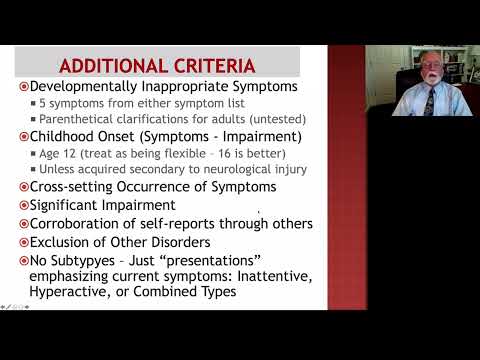
You know, ADHD and depression seem to hang out together more often than you’d think. It’s like that odd couple no one really invited to the party, but they just keep showing up.
Imagine juggling a ton of things while feeling a heavy weight pressing down on you. Frustrating, right? So many folks struggle with both at the same time, and it can really mess with your head.
Like, one minute you’re buzzing with ideas, and the next you’re stuck in this fog of sadness. Yeah, it’s confusing. What I wanna do is dig into how these two can coexist in our minds and lives.
Maybe you’re dealing with this yourself or just curious about how it all fits together. Either way, let’s chat about it!
Exploring the Coexistence of Depression and ADHD: Understanding the Overlap and Implications
Alright, so let’s talk about depression and ADHD. You might be wondering how these two can coexist, right? Well, they can actually overlap quite a bit. It’s like finding yourself in a fog; one can make the other feel way worse.
ADHD stands for Attention-Deficit/Hyperactivity Disorder. It’s often characterized by inattention, hyperactivity, and impulsivity. On the flip side, depression might bring on feelings of sadness, hopelessness, or a general lack of interest in things. So, just imagine trying to juggle both at once! You might feel scattered and overwhelmed.
- Overlap of Symptoms: Some symptoms of ADHD like difficulty concentrating can mimic those of depression. If you’re already down, that lack of focus just gets more pronounced.
- Emotional Dysregulation: People with ADHD often struggle to manage their emotions anyway. Throw depression into the mix and it’s like being on an emotional rollercoaster.
- Low Self-Esteem: Having ADHD might lead you to constantly compare yourself to others and feel inadequate when you don’t measure up. This can spiral into feelings of worthlessness that are common in depression.
The scary part is that one condition can amplify the other. So if someone has ADHD, they may be at higher risk for developing depression because the challenges they face daily—like disorganization or impulsiveness—can contribute to feeling hopeless.
You know that feeling when you’re trying to get work done but your brain just won’t cooperate? That can be like living with both conditions. You might find it exhausting simply getting out of bed some days because everything feels like a monumental task.
- Coping Strategies: It’s essential for folks who deal with both these issues to find good coping mechanisms. This could be anything from therapy to lifestyle changes such as exercise or mindfulness practices.
- Treatment Options: Sometimes medication plays a role too! A healthcare professional can help navigate how best to manage both conditions effectively.
The bottom line here is that understanding this coexistence is key. Recognizing how these two intermingle allows for better management strategies and overall support systems—whether it’s through friends, family members, or professionals who really get it.
No one should have to walk this tough path alone. And remember: each person’s experience will vary greatly! What works for one person may not work for another—but knowing you’re not alone in this struggle is huge!
Exploring the Efficacy of Paxil in Treating ADHD Symptoms: What You Need to Know
So, let’s chat about Paxil and its role in treating ADHD symptoms, especially when you consider the overlap with depression. First off, it’s essential to know that Paxil is actually an antidepressant, a type of selective serotonin reuptake inhibitor (SSRI). It’s primarily prescribed for anxiety and depression but sometimes it ends up being used for ADHD.
ADHD and Depression Can Coexist. You might have noticed that folks with ADHD often deal with mood disorders like depression. It’s like having two different battles on your hands. The impulsivity and inattention from ADHD can lead to challenges in social situations or school that might make someone feel pretty low. It makes sense, right?
Now, regarding Paxil, while it isn’t typically the first medication you’d think of for ADHD, some doctors might prescribe it if a patient has both conditions. That’s where it gets tricky.
- Paxil works by increasing serotonin levels in the brain which can help lift mood.
- For some people, improving mood can also help them manage their ADHD symptoms better.
- However, results can be mixed; not everyone experiences the same level of improvement.
You see, when you’re trying to treat ADHD symptoms specifically, medications like stimulants—think Ritalin or Adderall—are usually more effective. They target attention and focus directly. But if someone is also feeling really down or anxious, that’s where Paxil might come into play.
Side Effects Matter. Another thing to consider are the potential side effects of Paxil! Some people experience weight gain or fatigue, which could actually complicate things if you’re already struggling with motivation due to ADHD.
There are stories of individuals trying both approaches: some stick strictly to stimulants and see great results; others give SSRIs like Paxil a shot when their mental health affects their ADHD management. Each person is unique—you follow me?
If you think about treatment options with your doctor or therapist (because it’s always good to have a team), they’ll be looking at all these factors together: how severe the depression is versus the ADHD symptoms and what kind of side effects someone is willing to tolerate.
So yeah, while Paxil can play a role in the broader picture of managing mental health issues related to ADHD and depression, it isn’t necessarily your go-to solution for just tackling those ADHD symptoms alone. Keep an open dialogue with your healthcare provider; they’ll help navigate through finding what works best for you!
Safe ADHD Medications to Use with Zoloft: A Comprehensive Guide
It’s important to know that managing both ADHD and depression can feel like you’re juggling a lot. When you throw medications like Zoloft, which is an antidepressant, into the mix, it creates a whole new layer of complexity. So let’s break this down.
Both ADHD and depression can affect your day-to-day life. They can overlap significantly, making it tough to know what symptoms come from where. Using medications effectively requires some understanding of how they work together.
Now, Zoloft (which is the brand name for sertraline) is often used to treat depression and anxiety disorders. But when you have ADHD too, finding safe medication options that work alongside Zoloft is crucial.
Here are some safe ADHD medications to consider:
Despite these options, it’s really essential to consult with your doctor. They’ll keep an eye on how these meds interact with Zoloft and adjust dosages as needed.
For example, I had a friend who struggled with both conditions. She found out that Adderall worked wonders for her focus but made her feel more anxious when paired with Zoloft. After chatting with her doctor, they switched her to Strattera — it was a game changer! She felt more balanced without the added pressure of increased anxiety.
Sometimes people wonder about the timing of their doses too; spacing them out during the day might help reduce side effects.
Lastly, everyone responds differently to medications based on their unique body chemistry and circumstances. So what works great for one person might not be ideal for another—this unpredictability can be frustrating.
In summary, if you’re dealing with ADHD and you’re on Zoloft, keep this in mind:
– Speak openly with your healthcare provider.
– Explore both stimulant and non-stimulant options.
– Monitor your symptoms closely after making any changes.
Being proactive about communication with your doctor will ensure that you find a balance that works best for you!
ADHD and depression—man, that’s a combo a lot of people don’t think about enough. On the surface, they seem like completely different issues, but when you dig a little deeper, you realize how often they hang out together. It’s kind of like those friends who show up to every party uninvited; they’re just always around.
So picture this. You’re a kid bouncing off the walls in school, struggling to focus while everyone else seems to get it without breaking a sweat. You’re labeled as hyperactive or disorganized, and suddenly, it’s all about what you can’t do instead of what you’re good at. As time goes on, that feeling of inadequacy builds up. It can wear you down. Eventually, you might find yourself feeling low or hopeless—yup, here comes depression knocking at the door.
Now, why do these two often go hand-in-hand? Well, one theory is that ADHD makes daily life tough: friendships can be complicated when your attention wanders or your impulsiveness gets the best of you. School can feel like an uphill battle against your own brain. When things feel chaotic and overwhelming for long enough, it’s no wonder that some people start to feel pretty bummed out.
You know that feeling when everything just feels too much? Like when life’s throwing curveballs and you’re stuck trying to hit them with a bat made of spaghetti? That’s where depression often steps in. It’s not just about being sad; it’s like dragging around this heavy backpack filled with stones every single day.
But let’s not forget there’s hope here too! Understanding that ADHD and depression can coexist opens the door for better support and strategies. It’s important to talk openly about these feelings—because sometimes just knowing you’re not alone can be a huge relief.
So if you find yourself dealing with both ADHD and depression—or know someone who is—it helps to remember that it doesn’t define who you are. There are ways through this mess! Acknowledging both sides can lead towards finding the right help or methods to cope better—with some patience and support from others along the way. And hey, remember: even on the darkest days, there’s still light somewhere waiting to break through.