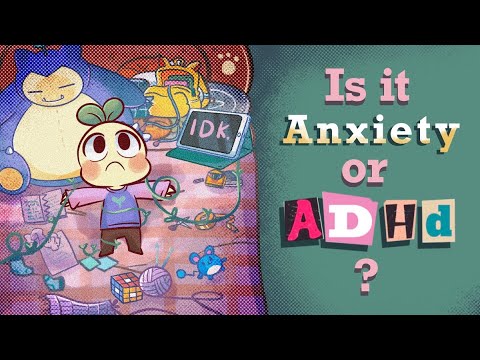
So, let’s chat about something that doesn’t get enough attention: ADHD meds and anxiety. You might think they’re totally separate issues, right? But it’s way more tangled than that.
Picture this: you’ve got someone buzzing with energy because of ADHD. Then, they start taking meds to focus, but suddenly they’re feeling more anxious. How does that happen? You know?
It’s kind of like mixing chocolate and peanut butter—sometimes it’s a delicious combo, but other times… yikes! Let’s dig into how these medications can affect not just attention but also those pesky feelings of anxiety. You in?
Exploring the Impact of ADHD Medications on Anxiety Management
So, let’s talk about ADHD medications and how they can impact anxiety management. You might think these medications are all about focus and attention, but there’s a lot more happening behind the scenes.
First off, many folks with ADHD also deal with anxiety. It’s like an unwelcome buddy that tags along for the ride. When you start ADHD medication, specifically stimulants like methylphenidate or amphetamine, it can really change the game for how someone feels overall.
- Stimulants and Anxiety: While stimulants can help with focus, they might ramp up anxiety for some people. It’s a bit of a balancing act! If you’re already anxious, adding a medication that speeds things up could make you feel even more jittery. Imagine you’ve got your coffee and then someone hands you an energy drink—it might be too much!
- Non-stimulant options: There are also non-stimulant medications like atomoxetine. These can be better for those who experience heightened anxiety. It works differently by affecting norepinephrine levels instead of dopamine directly. So it’s often gentler on anxiety!
- The role of dosage: Dosage matters too! Sometimes just tweaking how much you take can lead to better management of both ADHD and anxiety symptoms. It’s not one-size-fits-all; finding that sweet spot is key.
- Coping strategies: Medication alone isn’t the magic pill (pun intended!). Coupling meds with coping strategies—like cognitive-behavioral therapy (CBT) or mindfulness—can do wonders in managing anxiety while treating ADHD.
The thing is, everyone reacts differently to these meds. Some people report feeling more balanced when taking them, while others notice their anxiety creeping up instead. You know what I mean? It’s super personal!
A good idea is to keep your doctor in the loop about exactly how you’re feeling post-medication—don’t hesitate to share what’s working or what isn’t! They might adjust your treatment plan based on your feedback.
Anxiety doesn’t have to be your sidekick. With the right approach to both ADHD and anxiety management, you can set yourself up for success! Remember, it’s all about finding what works best for you individually.
The connection between ADHD meds and anxiety isn’t cut-and-dry; there’s a lot of nuance there. It’s always good to stay informed and take an active role in your treatment journey!
Understanding the Impact of ADHD Medications on Anxiety: What You Need to Know
So, let’s chat about ADHD medications and their effect on anxiety. This is a pretty interesting topic, mainly because ADHD itself can stir up quite a bit of anxiety for some folks. But then, when you throw in medications designed to help with ADHD, things can get a bit tricky.
ADHD Medications usually fall into two categories: stimulants and non-stimulants. Stimulants, like Adderall or Ritalin, work by boosting the levels of certain chemicals in the brain that help with focus and impulse control. Non-stimulant options, like Strattera, take a different approach.
Here’s the thing: while these medications can significantly help with attention issues, they can also have an impact on anxiety levels. Some people find that stimulants actually trigger or worsen their anxiety. But why does this happen? Well, stimulants increase dopamine and norepinephrine in the brain, which are great for focus but could also crank up feelings of nervousness or restlessness.
If you’ve ever felt your heart race when you’re anxious—and I’m talking about that “Oh no, what’s happening?” feeling—you totally get it. It can be disorienting! Let’s say Sarah takes her ADHD meds in the morning; by mid-morning she feels sharp and focused but suddenly notices her palms are sweaty and her heart’s racing. That might be the meds kicking in.
- Stimulants: They can enhance anxiety symptoms for some individuals.
- Non-Stimulant Medications: These tend to have a lower risk of increasing anxiety; for example, Strattera is known to be gentler on these nerves.
- Individual Responses: Everyone reacts differently; what works wonders for one person might not do much for another.
Anxiety disorders often coexist with ADHD—research suggests nearly 30% of individuals with ADHD also experience some form of anxiety disorder. So if someone starts medication for ADHD and notices their anxiety ramping up, it might be partly due to this overlap.
If we dig deeper into Anxiety Disorders, they manifest differently too. Some folks struggle more with generalized anxiety disorder (GAD), while others might battle social anxiety or panic attacks. When taking meds like Ritalin or Adderall, those who lean toward anxious tendencies may feel unsettled due to the stimulating effects or simply because they’re dealing with so much at once—ADHD symptoms combined with heightened anxiety is no picnic!
The bottom line is that finding the right balance between managing ADHD symptoms while keeping anxiety at bay is crucial. This often means working closely with healthcare providers who understand how these medications interplay.
In many cases, doctors will monitor how someone responds after starting medication closely. Adjustments might involve changing dosages or even switching types altogether! And sometimes pairing medications—like taking an anti-anxiety med along with your ADHD medication—can offer relief as well.
Your Experience Matters: If you’re dealing with this cocktail of emotions and meds, always share your experiences openly! Whether it’s increased jitters or just feeling off-kilter—it matters in finding what works best for you. A bit of trial-and-error may be needed here!
This whole situation isn’t one-size-fits-all; it’s all about finding what allows you to thrive without adding extra stress along the way. So keep an open dialogue about how you’re feeling as you navigate through this process!
Managing Vyvanse: Is It Safe to Take Breaks on Weekends?
Managing Vyvanse, especially if you’re using it for ADHD, can feel like walking a fine line sometimes. Taking breaks on weekends? That question can stir up quite a bit of debate. So let’s break this down together.
Firstly, it’s essential to recognize why people take Vyvanse in the first place. This medication is designed to help with focus and impulse control, which is super helpful for those with ADHD. However, there’s also the issue of side effects and how you feel when you’re not on it.
Now, about taking breaks: many folks wonder if stepping away from their meds during weekends might help alleviate any potential issues like anxiety or burnout. It’s a fair concern! Some users report feeling “burned out” after being on their meds continuously; this can lead to increased anxiety or irritability. So, here are some things to think about:
But then again, stopping the medication isn’t always straightforward either. Some people find that without their dose, they struggle with focus or feel generally off-balance.
Let’s say you usually take your Vyvanse during the week but decide to skip it on Saturday and Sunday. You might find yourself more relaxed and less anxious at first—maybe even enjoying life without that constant push to stay focused! However, as Sunday evening rolls around, you might realize your brain feels a bit foggy or chaotic when it’s time to get back into the groove for Monday.
What’s crucial here is communication with your healthcare professional. They know your history and mental health best and can help tailor advice specific to your needs.
In essence? Taking breaks from Vyvanse over the weekend could work well for some people, while others may not feel great without it at all. It’s all about finding what suits you best while keeping an eye on how you feel both emotionally and physically.
Lastly, remember that there’s no one-size-fits-all approach here; everyone’s experience with ADHD medications is unique! So listen to your body and mind—those are your best guides along this journey of managing medication wisely!
So, let’s chat about ADHD medications and how they sometimes connect to anxiety disorders. It’s kind of a complicated relationship, you know? On one hand, these meds can really help with the symptoms of ADHD—like the struggles with focus, impulse control, and hyperactivity. But on the other hand, there’s this concern that they might ramp up anxiety for some folks.
Picture this: you’re sitting in class or at work, and your mind is racing a mile a minute. You can’t concentrate on what’s in front of you because there are too many distractions competing for your attention. That’s where ADHD meds come into play; they can give you that needed boost to focus and get things done.
But here’s where it gets tricky. Some people report feeling more anxious after starting these medications. Maybe it’s the stimulant effect kicking in—your heart races a bit more, or your mind starts spiraling into those “what if” thoughts that keep you up at night. Like, “What if I mess something up?” or “What if everyone thinks I’m not good enough?” The meds might help with attention but can also spark those feelings of anxiety that are tough to manage.
I’ve seen friends wrestle with this. One buddy told me how he felt like he finally had control over his ADHD after getting treated but started noticing this gnawing anxiety creeping in, like an uninvited guest at a party. It was tough because he had hoped the medication would be a one-stop solution.
The thing is, not everyone experiences this heightened anxiety, and reactions to these medications can vary widely from person to person. It all comes down to individual brain chemistry and how each person’s body reacts.
For some folks fighting both battles—ADHD and anxiety—it might be necessary to find a balance between treating both conditions effectively without sending one into overdrive while keeping the other under control. Some doctors might suggest adjusting dosages or exploring non-stimulant options which could relieve symptoms without triggering that pesky anxious feeling.
So basically, it’s all about finding what works for you personally! Communication with healthcare providers is key here; talking about any side effects openly is super important. At the end of the day, managing both ADHD and anxiety disorders requires a tailored approach that considers individual needs over mere trial-and-error methods.
It’s definitely a journey—a winding road filled with bumps—but it’s all about figuring out what helps you thrive!