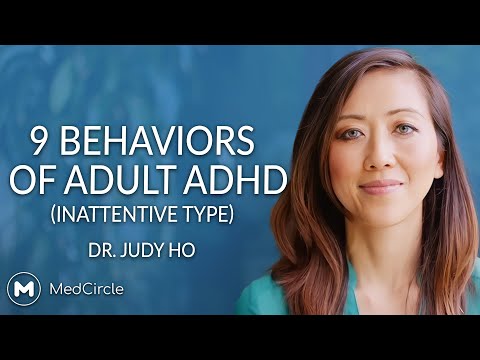
Hey! So, let’s chat about mild ADHD. You know, that thing that makes it tough to focus sometimes?
It’s not always the huge deal we think it is. Some folks have it mildly, which can totally change how it shows up in day-to-day life.
I mean, think about your friend who can’t sit still in class or loses their keys every other day. That could be mild ADHD putting on a little show!
It’s easy to miss the signs when they’re subtle. But understanding it can really help make sense of those quirks and the way we all operate.
So, grab a comfy seat, and let’s unpack this together!
Understanding ADHD: A Psychological Perspective on Attention Deficit Hyperactivity Disorder
Understanding ADHD: A Psychological Perspective
Attention Deficit Hyperactivity Disorder, or ADHD, is often misunderstood. It’s not just about being hyper or unfocused. In reality, it involves a complex mix of factors that affect how people think, act, and manage their day-to-day lives. Let’s break it down a bit, shall we?
What is ADHD?
ADHD is a neurodevelopmental disorder that impacts attention, impulse control, and activity levels. People with ADHD might find it hard to focus on tasks or sit still for long periods. You know how sometimes you feel restless and can’t concentrate? Imagine that feeling on a whole different level.
Symptoms of ADHD
ADHD symptoms can vary widely from person to person. Here are some common ones:
- Inattention: This might look like forgetting things easily or having trouble finishing tasks.
- Hyperactivity: Some folks can’t seem to sit still; they might fidget or talk excessively.
- Impulsivity: Acting without thinking often gets many in trouble—like interrupting others or making snap decisions.
This isn’t just kids either; adults can have these symptoms too! I remember a friend who struggled with keeping his work organized; he’d lose important documents all the time. He’d get distracted by every little thing around him!
The Psychological Perspective
The psychological side of ADHD dives deep into how these symptoms play out in real life. It’s not merely about behavior but also about cognitive processes—that’s how we think and process information.
For instance, people with ADHD may experience what’s called executive function deficits. These are mental skills that help you plan, organize, make decisions, and control impulses. So when someone with ADHD forgets their keys for the fifth time this week? It’s not laziness—it’s their brain working differently.
The Role of Neurotransmitters
A big part of understanding ADHD comes down to brain chemistry. Neurotransmitters like dopamine play crucial roles in attention and motivation. For many with ADHD, there can be imbalances in these chemicals, which makes focusing and regulating emotions much tougher.
Think about it like trying to tune an old radio—you might only hear static if the dial isn’t set right!
The Importance of Diagnosis
Getting diagnosed early makes a huge difference! Often kids displaying signs of hyperactivity may be seen as just “naughty” instead of being understood as having potential challenges facing them. Early intervention helps them learn coping strategies and skills that allow them to thrive later on in life.
But diagnosis doesn’t stop at childhood; adults can seek help too! Understanding oneself better opens doors to managing those tricky symptoms more effectively.
Coping Strategies
There are various approaches to managing ADHD symptoms effectively:
- Create routines—Structure can help keep things organized.
- Use reminders—Technology is your friend here! Set alarms on your phone.
- Pursue therapy—Working with professionals can offer new perspectives on managing behaviors.
A friend once told me how writing everything down changed her life. She started journaling her daily tasks and it helped her remember things without feeling overwhelmed!
If you or someone you know has ADHD—or thinks they might—remember it’s all about recognizing the differences and finding ways to navigate through them while embracing unique strengths along the way! So yes, while living with this condition presents challenges, many also find creative solutions leading them to extraordinary paths in life.
Comprehensive Guide to Medications for Treating ADHD: Options and Insights
When it comes to treating ADHD, especially if it’s on the milder side, medication can be an option. It’s not a one-size-fits-all deal, though! You’ve got several types of meds out there, each with its own set of perks and potential side effects. Here’s a little breakdown:
Stimulants are usually the first line of defense against ADHD symptoms. They work by increasing the levels of certain neurotransmitters in the brain. Think dopamine and norepinephrine—those little guys help with attention and focus. Some common stimulant medications include:
Now, don’t get me wrong—stimulants aren’t for everyone. Some people might experience side effects such as insomnia, loss of appetite, or even increased anxiety. But for others? These meds can mean the difference between struggling to pay attention and actually getting things done.
Then you’ve got non-stimulant medications. These are great alternatives if stimulants aren’t working well for someone or if side effects are a problem. One popular non-stimulant is atomoxetine (Strattera). It’s often chosen because it has a lower risk of abuse compared to stimulants.
But here’s the thing: non-stimulants may take longer to kick in—sometimes weeks rather than days. It can be frustrating waiting for results when you’re eager for relief from those pesky symptoms like impulsiveness and distractibility.
So let’s talk about another class — antidepressants. Yep, you heard that right! Sometimes doctors prescribe certain antidepressants off-label for ADHD treatment. They can help with mood regulation and sometimes assist with focus too. An example would be bupropion (Wellbutrin); however, this isn’t typically the first choice.
Finding the right medication often means playing around with dosages and maybe even trying different kinds until you hit that sweet spot where you feel more focused but not jittery or overly anxious.
And here’s something important: medication isn’t everything. You really might want to consider therapy options like cognitive-behavioral therapy (CBT) or parent training programs alongside any medication plan you choose. Combining these approaches can provide a more holistic way to manage symptoms, helping you deal with life better while alleviating some core issues related to ADHD.
Let’s also not forget about lifestyle changes! Regular exercise, a healthy diet, and proper sleep hygiene make a world of difference too—it’s all interconnected!
Remembering that everyone’s experience with ADHD is unique is key when thinking about treatment options. What works for one person may not work for another; it takes patience and sometimes trial-and-error to find what’s best for you.
So yeah, whether it’s medication or behavioral strategies—or ideally a mix of both—understanding how they play into managing mild ADHD is super crucial.
Understanding ADHD: Key Insights and Legal Considerations for Patients and Families
ADHD, or Attention-Deficit/Hyperactivity Disorder, can really feel like a whirlwind sometimes. Basically, it’s a neurodevelopmental disorder that affects both kids and adults. And while people might think of ADHD as just being about hyperactivity, it’s way more nuanced than that. Understanding these subtleties is crucial for families navigating this condition.
First off, let’s break down some key insights into ADHD:
- Symptoms vary widely. That means not everyone with ADHD experiences the same signs. You might see someone who can’t sit still, while another person struggles more with staying organized or focused.
- It’s not just about kids. Many adults also deal with ADHD symptoms. They might have trouble keeping it together at work or managing daily tasks, which can lead to frustration and even anxiety.
- Mild vs. Severe ADHD. A diagnosis can range from mild to severe. Mild cases may look like occasional forgetfulness or slight distractibility, where someone might need reminders but manage okay in life.
- Impact on daily life. Even mild ADHD can affect relationships and work performance. You know how sometimes you zone out in a conversation? For someone with mild ADHD, that could happen more often than not!
Speaking of daily life challenges, let me share a quick story. My buddy Jake always struggled with his tasks at work—he’d get lost in thought during meetings and miss important details. People thought he wasn’t paying attention when really he was just trying to focus as best as he could! Once he found out he had mild ADHD, everything clicked for him; he learned some coping strategies that really helped him stay on track and communicate better with his coworkers.
Now, when it comes to legal considerations for patients and their families dealing with ADHD, there are some important things to keep in mind:
- Educational Rights: If a child is diagnosed with ADHD, they may be eligible for special education services under laws like the Individuals with Disabilities Education Act (IDEA). This ensures they get the support needed in school!
- Workplace Accommodations: Adults may have rights under the Americans with Disabilities Act (ADA), which allows for necessary accommodations at their jobs—like flexible schedules or different workspace arrangements—to help them perform better.
- Mental Health Protections: Depending on where you live, there are laws that protect against discrimination based on mental health conditions like ADHD. Knowing your rights helps empower you to advocate for yourself or your loved one!
The journey of understanding and supporting someone with mild ADHD can feel overwhelming at times—there’s so much information out there! But being informed about both the psychological aspects and legal considerations makes a huge difference in navigating everyday challenges smoothly.
If you take away anything from this chat today, let it be this: ADHD isn’t a setback; it’s simply part of someone’s unique wiring. With understanding and support, those affected by it can thrive!
When we think about ADHD, we often picture hyperactive kids bouncing off walls, you know? But there’s more to it than that. Mild ADHD, for instance, can slip under the radar. It’s like a sneaky little gremlin that hangs out in the background, affecting daily life but not always getting noticed.
Imagine this: you’re sitting in a meeting, and your mind just drifts off. Suddenly, you find yourself daydreaming about what to have for lunch instead of paying attention. That sort of thing can happen to anyone—yet for someone with mild ADHD, it’s a regular occurrence. Distinguishing between everyday distractibility and mild ADHD can be tricky.
So, what’s going on in the brain? Well, folks with mild ADHD often have differences in how their brains manage attention and impulse control. It doesn’t mean they’re less intelligent or not trying hard enough; it’s just a unique wiring. Think of it like trying to tune into your favorite radio station but getting static instead—it’s all there; it’s just harder to pick out clearly.
You might notice some emotional impacts too. People with mild ADHD often feel overwhelmed by tasks that seem simple to others or frustrated when they struggle to finish projects they started with enthusiasm. It can lead to feelings of inadequacy or self-doubt. You ever been excited about an art project but just couldn’t bring yourself to finish? Kind of like that—except imagine dealing with that feeling all the time.
I once knew someone who was brilliant at coming up with ideas but constantly forgot about deadlines or lost track of their notes—a real creative mind trapped in chaos! They’d put so much pressure on themselves to “just focus,” only to feel worse when their brain didn’t comply.
Understanding mild ADHD is about recognizing these patterns without judgment. It’s essential to empathize and support those who navigate through this tricky maze every day. Giving people space and encouragement helps them express themselves without feeling shamed for something that’s woven into how they operate.
So yeah, when you come across distractions or bursts of energy that seem out of place think twice before labeling someone as «lazy» or «disorganized.» There might be more going on than meets the eye! Just being aware can make a world of difference for someone carrying that invisible load around with them every day.