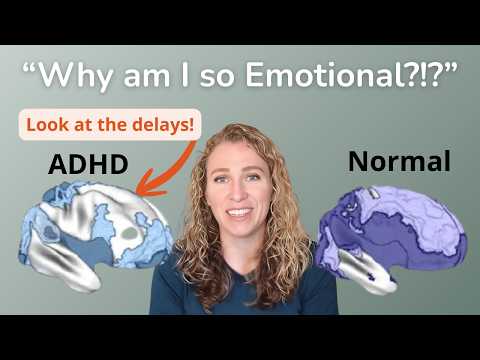
So, you know how some days you just feel on top of the world, and other days it’s like you’ve hit rock bottom? Yeah, that rollercoaster can be even more intense for folks with ADHD.
It’s wild, right? One minute you’re buzzing with energy, ready to tackle anything; the next, you’re dragging yourself through the day. Those mood swings can be super confusing.
And here’s the thing: they don’t just affect how someone feels. They can mess with relationships, work, and even self-esteem. It’s like being on a emotional seesaw and sometimes it just feels unfair.
So let’s chat about what this really means for people living with ADHD. There’s a lot to unpack!
Understanding ADHD Mood Swings vs. Bipolar Disorder: Key Differences and Insights
Alright, let’s chat about mood swings. They can be pretty confusing, especially when you’re trying to figure out if they’re linked to ADHD or something like bipolar disorder. Both can mess with your head and emotions, but there’s some big differences between them. So, take a seat and let’s break this down.
ADHD mood swings are usually more about impulsivity and frustration. You might find yourself feeling really up one moment, then totally down the next, often triggered by boredom or frustration over tasks that don’t hold your interest. For instance, you could be super excited about a new project but then feel overwhelmed when it gets tedious—like a rollercoaster that keeps changing tracks.
Bipolar disorder>, on the other hand, involves more extreme emotional states that last longer. You have periods of mania or hypomania, where you feel invincible and full of energy for days or even weeks. That’s followed by depressive episodes that can weigh you down for quite some time. Think of it like having these long stretches of high highs and low lows instead of quick fluctuations.
- Duration: Mood swings from ADHD are often short-lived—just a few hours or even minutes—while bipolar mood episodes can last for days or weeks.
- Triggers: ADHD moods are usually triggered by external factors like stressors or boredom; with bipolar disorder, it might just hit out of the blue without any clear cause.
- Mood Stability: People with ADHD may return to a baseline quicker after feeling intense emotions; those with bipolar disorder might struggle to get back to that baseline until the episode passes.
You see? It’s not all black and white. Another thing is how friends or family perceive these moods. If someone with ADHD suddenly snaps over something minor, it could confuse people who don’t know what’s going on—they think it’s just their personality swinging wildly! But with bipolar disorder, those around you might notice more significant changes over time since the pattern is different.
A big part of this is also about how each condition affects your daily life and relationships. You might feel frustrated with yourself if tasks pile up due to those ADHD mood fluctuations—but stepping back can help you realize it isn’t all doom and gloom! With bipolar disorder, though, you could face more dramatic shifts in how others view your reliability and stability over time.
If you’re dealing with either situation or know someone who is, just remember: it’s okay to seek support from a professional who gets these nuances! Understanding this stuff can help reduce stigma and build empathy—not just for ourselves but also towards others navigating their own ups and downs.
You follow me? Look at the bright side here: being aware of these differences could make it easier for people to find strategies that work specifically for them. That way everyone gets the understanding they need!
Effective Strategies for Treating ADHD-Related Emotional Dysregulation
Emotional dysregulation is a biggie when it comes to ADHD. You might’ve noticed that your emotions can swing like a pendulum—from zero to a hundred in seconds. It’s like being on a roller coaster, right? But let’s break down what you can do about it.
Understanding the Fluctuations
First things first, those mood swings are often tied to impulsivity and difficulties in regulating emotions. When something sets you off, it can feel overwhelming. You might find yourself crying over a small mistake or getting really frustrated over minor inconveniences. This isn’t just “being dramatic”; it’s how ADHD affects emotional processing.
Practice Mindfulness
Mindfulness techniques can be super helpful. You know when you feel your heart racing, and those overwhelming feelings take over? Well, practicing mindfulness allows you to step back for just a moment and breathe. Try focusing on your breath or using grounding techniques like noticing five things around you—what you see, hear, or feel.
- Breathing Exercises: When emotions run high, take deep breaths—inhale for four counts, hold for four, then exhale for six.
- Grounding Techniques: Focus on your senses to anchor yourself; describe what you see or touch.
Cognitive Behavioral Approaches
Changing the way you think about situations is key too! Using Cognitive Behavioral Therapy (CBT), you can learn to identify negative thoughts that lead to emotional outbursts. For example, if you’re upset because someone criticizes your work, ask yourself: “Is this feedback valid? What could I learn from this instead of jumping to anger?”
Regulating Sensory Input
Sometimes the world around us can be too much—loud noises or bright lights might contribute to emotional chaos. Finding ways to reduce sensory overload could make a difference.
- Create Calm Spaces: Establish areas at home where you feel safe and relaxed.
- Sensory Tools: Fidget toys or noise-canceling headphones might help buffer stressful environments.
Dabble with Routine and Structure
Creating stability might make emotional dysregulation less intense. A consistent daily routine helps set expectations which can lessen anxiety when plans change unexpectedly.
Smooth Transitions
Transitions between activities can trigger mood swings too! So give yourself some time when switching tasks—like setting alarms or reminders that warn you about upcoming changes so you’re not caught off guard.
Simplifying Communication
When discussing feelings with others—like friends or family—try being clear about what you’re experiencing. Rather than just saying “I’m upset,” get specific! Something like “I’m feeling overwhelmed because I have too much on my plate” helps others understand better.
On a personal note, I remember chatting with a friend who wrestled with similar roller coasters of emotion due to ADHD. She learned that expressing her frustrations before they bubbled over made her relationships stronger—and it really helped her cope day-to-day!
Just remember: managing ADHD-related emotional dysregulation isn’t something that happens overnight; it takes practice and patience! Each small step counts toward creating more stability in your life. Keep trying different strategies until something clicks—and you’ll find what works best for you!
15 Strategies to Manage and Navigate Intense Emotions Associated with ADHD
It’s pretty common for people with ADHD to experience some intense emotions. Sometimes these feelings can swing from one extreme to another, kind of like being on a rollercoaster. It’s essential to figure out ways to manage those ups and downs so you can feel more in control. Here’s a rundown of some strategies that might help.
1. Identify Triggers
It really helps to know what sets off intense feelings for you. Is it stress? Lack of sleep? Or maybe certain kinds of situations or people? Keeping a journal could be useful for tracking these triggers over time.
2. Practice Mindfulness
Mindfulness is all about being present in the moment without judgment. Simple practices like deep breathing or focusing on your surroundings can really ground you when emotions start bubbling up.
3. Create a Routine
Having a daily routine can provide structure, which is sometimes hard for people with ADHD. Predictability can make emotional swings feel less overwhelming.
4. Use Visual Aids
Sometimes, seeing your feelings laid out visually can give you perspective. Consider using charts or mood wheels and stick them somewhere visible as reminders of how you’re feeling each day.
5. Short Breaks
When you feel emotions rising, taking short breaks can do wonders! Go for a quick walk or even step outside for some fresh air—this little getaway can help reset your mood.
6. Reach Out
You don’t have to go through this alone! Talk with friends or family when you’re feeling intense emotions—it often helps just to share what you’re going through.
7. Physical Activity
Exercise isn’t just good for the body; it’s awesome for the mind too! Even just a few minutes of movement can elevate your mood and reduce anxiety and stress.
8. Limit Caffeine and Sugar
While it might be tempting to reach for that sugary snack or caffeine boost, they can actually lead to worse mood swings later on—so be mindful of your intake!
9. Positive Self-Talk
You know how easy it is to fall into negative thinking? Try flipping that script! Instead of saying “I can’t handle this,” tell yourself “I’m doing my best.” Small changes in language can shift your emotional state.
10. Set Realistic Goals
Having goals is cool, but make sure they’re not too ambitious right away—you want them achievable! Breaking tasks into smaller steps makes everything feel more manageable and less overwhelming.
11. Engage in Hobbies
Doing something you genuinely love gives your brain a break from stressors and lets those intense feelings simmer down naturally—not sure if I’m explaining myself, but it really works!
12. Seek Professional Help If Needed
If managing intense emotions feels like climbing a mountain daily, consider talking to someone who knows their stuff—like a therapist or counselor specializing in ADHD—they could offer personalized strategies!
13. Practice Gratitude
Taking time each day to reflect on things you’re grateful for—no matter how small—can shift focus away from negative emotions and bring positive vibes into your life.
14. Stay Hydrated and Eat Well
What you eat affects how you feel! Staying hydrated is crucial, as well as eating regular meals filled with nutrients instead of empty calories that might lead to energy crashes later.
15. Accept Your Feelings
Finally, it’s totally okay to feel overwhelmed sometimes! Accepting those feelings instead of fighting them lets them come and go without dwelling on the negativity behind them.
Navigating intense feelings associated with ADHD isn’t always easy, but using these strategies can help calm the storm inside and keep things more balanced in life overall!
ADHD is a bit of a wild card when it comes to mood. You might be cruising along, feeling great, and then—bam!—suddenly, you’re hit by a wave of frustration or sadness. These mood swings can feel like riding an emotional rollercoaster, and they can be pretty exhausting.
So, what’s going on here? Well, ADHD messes with your brain’s executive function. This is the part of your noggin that helps you plan, focus, and regulate your emotions. When those processes are outta whack, it’s easy to see how your feelings can swing wildly from one end to the other. One moment you’re super excited about starting a new project; the next moment, you’re overwhelmed and ready to abandon ship.
Let me share a quick story. A friend of mine has ADHD and once told me about this day when he felt entirely pumped about a big presentation at work. He spent hours preparing and was genuinely excited to share his ideas. Then, just hours before the presentation, he spiraled into anxiety. It was like someone flipped a switch! All those good vibes turned into self-doubt, leading him to question why he even bothered. It’s just so relatable how easily moods can alternate between optimistic highs and deep lows.
The psychological implications of these fluctuations can be significant too. For one thing, they might lead to difficulties in relationships or at work because people might not always understand these sudden changes in behavior or emotion. You might come across as overly dramatic or unpredictable when all you’re trying to do is manage your feelings.
On top of that—and get this—these mood swings can sometimes lead people with ADHD toward risky behaviors as a way to escape those uncomfortable feelings or seek out some excitement when they’re feeling low. So yeah, it’s not just about managing attention; it’s about navigating this complex emotional landscape too.
And while strategies like mindfulness or therapy can help smooth out those emotional bumps somewhat—at least from what I’ve heard—it’s also important for anyone dealing with ADHD mood fluctuations to know it’s totally okay to seek support from friends or professionals who get it.
Ultimately, understanding that these mood shifts are part of the ADHD package might bring some relief. It allows for compassion—towards yourself and others navigating similar experiences—because let’s be real: life is complicated enough without throwing unpredictable emotions into the mix!