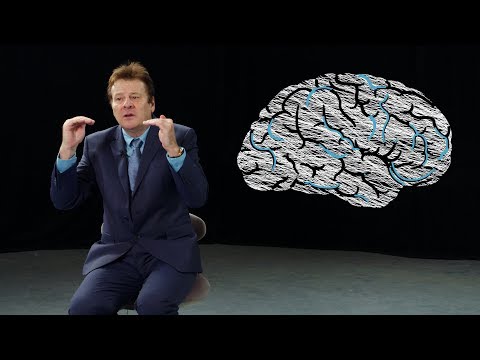
You know that feeling when your brain feels like a crowded highway? Like, cars are zooming past, and you can’t decide which lane to take. That’s pretty much what it’s like dealing with racing thoughts, especially for folks with ADHD.
It’s kind of wild, right? One minute you’re thinking about what to have for lunch, and the next, you’re spiraling into plans for an epic vacation or worrying about that email you forgot to send.
It can get overwhelming quickly. You might find yourself chasing thoughts like they’re butterflies—you catch one and another flutters away.
But don’t sweat it! You’re definitely not alone in this chaotic mental dance. So let’s chat about ways to deal with it without losing your cool. Sound good?
Effective Strategies to Manage ADHD Mind Racing: Techniques for Focus and Clarity
Managing ADHD mind racing can feel like trying to catch smoke with your bare hands. It’s chaotic, overwhelming, and can really mess with your focus. But don’t worry! There are some effective strategies that can help you regain your clarity and focus.
Understanding Mind Racing
First off, it’s important to recognize what mind racing feels like. You might be sitting quietly, but inside, thoughts are whirling around like a tornado. You might switch from one idea to another so quickly that it’s tough to latch onto any one thing for long. Sound familiar?
Finding Your Focus
So, how can you slow things down a bit? Here are some strategies that could help:
- Chunking Tasks: Break down tasks into smaller, manageable pieces. Instead of staring at a big project and feeling lost, tackle it in bite-sized portions. It’s less daunting that way!
- Set Timers: Use a timer for focused work sessions—try 25 minutes on and 5 minutes off (that’s the Pomodoro Technique!). Knowing there’s a set time for focus can help keep distractions at bay.
- Meditation and Mindfulness: Seriously! Taking just a few minutes each day to meditate or practice mindfulness can help calm the chaos in your mind. Even simple breathing exercises can make a difference.
- Journaling: Write down those racing thoughts. Sometimes getting them out on paper gives your brain a chance to breathe. Instead of bouncing around in your head, they’re neatly on the page!
- Create Visual Reminders: Use sticky notes or digital reminders for important tasks or calming quotes around you. This visual cue gently pulls you back into focus when distractions pop up.
The Power of Routine
Establishing a routine can also work wonders. When you have specific times for certain tasks—like checking emails or taking breaks—it creates structure in your day, helping reduce that overwhelming feeling of constant urgency.
Anecdote Time!
I once knew someone who had ADHD and struggled with racing thoughts while studying for exams. They decided to try chunking their study material into small sections and used timers faithfully during each session. It was remarkable! Over time they noticed they were grasping concepts better because their mind wasn’t hopping around so much.
The Role of Physical Activity
Don’t underestimate the power of moving your body! Regular exercise can dramatically improve mental clarity by reducing stress levels and boosting mood-boosting chemicals called endorphins.
A Sleep Connection
Sleep is another huge piece of the puzzle too! Ironically enough, while it seems like an easy fix—you know, just rest more—ADHD minds often struggle with sleep issues already. Try to create habits that promote better sleep hygiene; maybe dimming lights before bed or setting a consistent bedtime could help.
Over time, implementing these strategies might not erase the whirlwind entirely but will certainly give you tools to navigate through it more effectively!
Effective Strategies to Calm Racing Thoughts: A Comprehensive Guide
Racing thoughts can feel like your brain is running a marathon, right? Especially for those of you with ADHD. Managing these chaotic moments isn’t always easy, but there are quite a few strategies you can try!
1. Mindfulness and Meditation. Practicing mindfulness can seriously help slow down that wild mental chatter. You know, just taking a few minutes to focus on your breath or notice the world around you. Studies show that this can enhance attention and help regulate emotions.
2. Structured Routine. Creating a daily routine can provide some stability in the chaos. Set specific times for work, breaks, and relaxation. Having a structure makes it easier to manage where those racing thoughts are coming from.
3. Grounding Techniques. These bring you back to the present moment. When your mind starts racing, try focusing on the sensations around you: touch something with different textures or listen closely to ambient sounds like birds chirping or even your fridge humming.
4. Journaling. Writing down your thoughts can be cathartic! Just grab a notebook and jot down what’s bothering you or what’s swirling in your head. It helps unload some of that mental baggage and gives you clarity.
5. Physical Activity. Exercise is another fantastic way to calm racing thoughts! Going for a walk or hitting the gym releases endorphins that help improve mood and reduce anxiety, making it easier to think straight.
6. Limit Stimulants. Caffeine or sugar might seem like good ideas when you’re feeling sluggish, but they can ramp up anxiety levels too! Keeping an eye on how much you’re consuming may help level out those peaks in energy (and thoughts)!
7. Talk it Out. Sometimes just chatting with someone about what’s going on in your mind helps! Sharing your thoughts could lighten the load and give you another perspective on what’s troubling you.
Remember how sometimes all it takes is a good friend listening intently while sipping coffee? That sense of connection really makes a difference!
The thing is, finding what works for you might take some time—sort of like experimenting with different recipes until one really clicks! So keep trying things out until something sticks; you’ll get there eventually!
Understanding ADHD: Examples of Racing Thoughts and Their Impact
ADHD, or Attention-Deficit/Hyperactivity Disorder, is often misunderstood. One of the biggest challenges people with ADHD face is **racing thoughts**. Imagine your brain as a TV flicking through channels way too fast—it’s tough to focus on any one thing.
When you think about racing thoughts, picture this: you’re in a meeting, and suddenly, your mind jumps from what your boss is saying to what you have to buy at the grocery store, then to that movie you wanted to watch last weekend. It’s like having a hundred tabs open on your browser. This constant shifting can make it hard for someone with ADHD to follow conversations or finish tasks.
Now let’s dig into how this actually plays out for people dealing with ADHD:
- Jumping Topics: A person could start off thinking about homework but end up brainstorming ideas for a birthday party—all within seconds. It’s not that they don’t want to finish the homework; it’s just that their mind has other plans.
- Difficulty in Sleep: When it comes time to lay down at night, racing thoughts can kick into overdrive. One thought leads to another until they’re wide awake, rehashing everything from their day or worrying about tomorrow.
- Social Situations: While chatting with friends, someone might zone out because their brain has darted off elsewhere. They may miss important parts of the conversation because they’re caught up in their own whirlwind of thoughts.
- Impact on Work or Study: In school or work settings, this chaotic thought process can lead to unfinished projects and missed deadlines. It’s frustrating because they might start strong but can’t keep pace due to their racing minds.
You know what else? Racing thoughts are often accompanied by feelings of frustration and anxiety. It’s as if there’s a constant alarm going off in the background that won’t turn off. So many ideas competing for attention can leave someone feeling overwhelmed.
For example, let’s say you’re trying to read a book for class—but wait! You remember about an assignment due next week—and oh shoot! Did you reply to that email? And just like that, you’ve lost track of the plot completely.
But here’s the kicker: understanding these racing thoughts can help not just those with ADHD, but also those around them. Friends and family can learn how to support better by recognizing when someone is feeling overwhelmed by their thoughts.
Managing this chaos might involve techniques like mindfulness or simple grounding exercises—just finding ways to bring focus back when things get hectic up there in the noggin.
So yeah, while ADHD comes with its unique challenges like racing thoughts, awareness and understanding pave the way for better management strategies and deeper empathy between everyone involved!
You know how sometimes your brain feels like a racetrack – thoughts zipping around like cars in a Grand Prix? Well, if you’ve got ADHD, that chaotic energy can be both a blessing and a curse. Racing thoughts can make it super hard to focus on one thing when your mind is trying to juggle several at once.
I remember chatting with a friend who has ADHD, and she was describing how her morning routine felt like an Olympic event. One minute she was thinking about what to wear, the next she was planning dinner for the week, and before she knew it, she was two steps into brushing her teeth while contemplating that book she wanted to read. It’s exhausting! And even though it sounds funny when you say it out loud, there’s something oddly relatable about that whirlwind in your head.
So what’s going on? Well, you see, when someone has ADHD, the brain’s executive function doesn’t always keep things in check. It’s like having a really enthusiastic puppy – all over the place and full of energy but needs some guidance to calm down. And those racing thoughts? They can lead to anxiety or frustration because you might feel overwhelmed trying to grab hold of one thought before another takes off.
But here’s the thing: managing that chaos is totally doable. It might sound counterintuitive, but embracing some structure can help bring some calmness to the storm. Simple strategies like jotting down those rapid-fire thoughts can actually allow you to ‘park’ them for later instead of letting them buzz around endlessly in your mind. You could try using apps or good old-fashioned pen and paper—whatever helps you capture those ideas without judgment.
And don’t overlook mindfulness or breathing exercises either; they can serve as little pit stops for your brain. Even just taking a few deep breaths slows everything down enough for you to regain control and focus on what matters most right now.
At the end of the day, managing racing thoughts isn’t about silencing them completely but learning how to navigate through them. Like driving on that busy racetrack—you want to steer confidently without crashing! Everyone’s journey looks different, so finding what works best for you is key. Celebrate every small victory along the way because you’re doing great just by understanding yourself better!