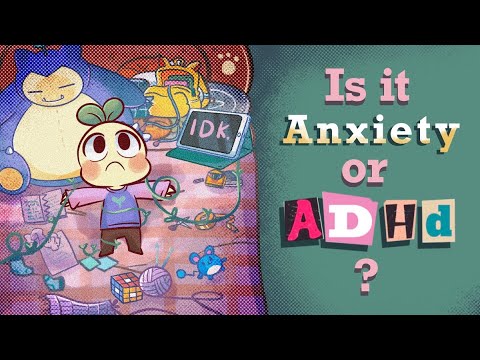
Hey there! So, let’s chat about something that affects a lot of folks: ADHD. You might think of it as just having trouble focusing or being a bit hyperactive. But, let me tell you, there’s way more to the story.
You know that feeling when your brain’s like a radio stuck between stations? Yeah, that’s kind of how it can be for someone with ADHD. It creates this whirlwind of emotions, stress, and sometimes even frustration.
Imagine trying to keep your thoughts together while juggling a million things at once—it can be super exhausting! Seriously, it’s like running a mental marathon every day.
So, why are we talking about this? Because understanding the emotional side of ADHD is key to navigating the ups and downs. Plus, it helps us all connect and support each other better. So stick around; I promise it’ll be worth it!
15 Effective Strategies to Manage and Understand Intense Emotions in ADHD
Managing intense emotions when you have ADHD can feel like trying to ride a rollercoaster without a seatbelt. It’s wild and sometimes scary. But, there are ways to navigate through that emotional landscape. Here are some strategies that might help:
1. Recognize Triggers
Understanding what sparks those intense feelings is crucial. For instance, if loud noises or chaotic environments make you anxious, being aware of this can help you prepare or avoid such situations.
2. Create a Routine
Having a set schedule gives your brain structure. Try starting your day the same way. Maybe it’s a morning coffee followed by some light stretching? Routines can ground you when emotions feel overwhelming.
3. Practice Mindfulness
This is all about staying present. Simple breathing exercises can be surprisingly effective—just inhaling deeply and exhaling slowly can help center your thoughts when things get too intense.
4. Journaling
Writing down how you feel can be liberating. You know that moment when everything just spills out onto the page? It gives clarity and helps you process emotions in a safe space.
5. Use Visual Aids
Sometimes, visuals can make things clearer than words! Charts or diagrams showing how different situations affect your mood could help in understanding emotional responses better.
6. Physical Activity
Getting active releases endorphins which improve mood! Whether it’s dancing in your living room or going for a walk outside, find what moves you and lean into it.
7. Seek Support
Talking with friends or family who understand your struggles helps loads! Sometimes just sharing what you’re going through makes it feel lighter.
8. Set Realistic Goals
Breaking tasks into smaller steps can reduce the feeling of being overwhelmed. If cleaning your room feels daunting, try focusing only on one corner instead of tackling everything at once.
9. Develop Coping Strategies
Find out what calms you down during an emotional storm—maybe it’s listening to music or watching funny videos? Whatever works for you is valid!
10. Limit Stimuli When Possible
You might find it easier to manage emotions in quieter settings with fewer distractions around—like turning off notifications while studying or working from home.
11. Consult Professionals
Sometimes an ADHD coach or therapist provides tailored strategies specific to your experiences—it’s not just about medication; it’s about finding tools that work for *you*.
12. Practice Self-Compassion
Being hard on yourself doesn’t help at all; remember that experiencing strong feelings is part of being human! Allow yourself grace during tough times; everyone has them.
13. Explore Creative Outlets
Expressing emotions through art, music, or writing lets you release pent-up energy in positive ways—it’s like giving those feelings an escape route!
14 Educate Yourself About ADHD
Knowing more about how ADHD impacts emotions equips you with insights and tools to manage them better—it’s empowering to understand yourself!
15 Build Emotional Vocabulary
Learn to express how you’re feeling precisely instead of saying “I’m fine” when you’re not—you could use words like “frustrated” or “overwhelmed.” This clarity helps others understand where you’re coming from!
There ya go—15 strategies to help manage those fierce feelings that can come with ADHD! Remember that everyone experiences emotions differently, so some methods might work better for you than others—it’s all about finding what clicks!
Understanding the Emotional Impact of ADHD on Adults: Key Insights and Strategies
ADHD, or Attention Deficit Hyperactivity Disorder, doesn’t just affect kids. If you’re an adult living with it, you might find yourself in a whirlwind of emotions daily. The emotional impact can be profound and often leaves people feeling overwhelmed. So let’s break it down a bit.
First off, let’s talk about frustration. Ever been working on something important and find your mind drifting off? It’s like trying to hold water in your hands; super frustrating! Many adults with ADHD experience this feeling quite often. You’re trying to focus but distractions just creep in. This can lead to a sense of failure or inadequacy, especially when deadlines loom.
- Anxiety is another common companion. You might feel anxious about forgetting things or not meeting expectations. Picture this: you’re at work and the phone rings, but your mind’s elsewhere. You miss the call, and suddenly worry sets in about how that could impact your job performance.
- Low self-esteem is also a frequent visitor for many adults who have ADHD. Constantly battling with seemingly simple tasks can chip away at your confidence over time. It’s hard to feel good about yourself when you’re forever comparing what you accomplish with what others manage effortlessly.
The thing is, ADHD isn’t just about attention issues; it’s wrapped up in emotional regulation too. You might notice mood swings—one moment you’re fine, and the next you’re irritable or sad for no clear reason. This rollercoaster can be exhausting! Especially when those around you don’t understand why you’re feeling that way.
One important insight here is the idea of hyperfocus. Sometimes adults with ADHD zone in so intensely on something that hours fly by without notice! While it’s amazing to dive deep into passions, it can also mean neglecting other responsibilities…like chores or even social obligations. So yeah, while hyperfocus feels like a superpower at times, it can backfire too!
Strategies to help manage these emotional impacts are essential:
- Create structure: Routines help bring some predictability into daily life—something that feels soothing amidst chaos!
- Pursue mindfulness: Practicing mindfulness techniques can ease anxiety and ground thoughts when everything feels overwhelming.
- Seek support: Connecting with others who get it—whether friends or support groups—can provide relief and validation.
You know what? Sometimes simply talking about what’s going on inside helps lighten the load we carry around every day. Sharing these experiences helps build understanding between us and those we love.
The emotional impact of ADHD might feel heavy at times, but there are ways through it! With some knowledge and coping strategies under your belt, navigating daily life can become more manageable—even enjoyable again!
Effective Strategies for Treating ADHD-Related Emotional Dysregulation
Emotional dysregulation is a pretty common challenge for folks with ADHD. It can feel like your emotions are on a rollercoaster, and getting off isn’t always easy. You might be sitting quietly one moment and then, bam! Something sets you off. So let’s unpack some effective strategies to help manage this emotional turmoil.
Understanding Emotional Dysregulation
First off, it’s crucial to get what emotional dysregulation really is. Basically, it’s when someone struggles to control their emotional responses. For people with ADHD, this might mean feeling intense emotions like anger or sadness that don’t always seem proportional to what’s happening around them.
Creating a Routine
One effective strategy is establishing a consistent routine. Routines can provide structure and predictability, which helps in reducing anxiety and outbursts. When you know what to expect throughout the day—like regular meal times or scheduled breaks—it can help stabilize your mood.
Mindfulness Techniques
Mindfulness can also be super helpful. This approach focuses on being present in the moment without judgment. You could try simple breathing exercises or meditation for just a few minutes each day. This practice teaches you to observe your feelings without immediately reacting to them—like watching clouds float by instead of getting swept up by them.
Emotion Regulation Skills
Learning specific emotion regulation skills is another great avenue. This could include recognizing your feelings when they arise and labeling them. For example, if you start feeling really frustrated, naming that emotion can help create some space between you and the intensity of that emotion.
Coping Strategies for Outbursts
It’s important to have coping strategies ready when emotional outbursts happen. Try keeping a “calm-down kit” nearby—a place where you store items that help soothe you when you’re upset, like stress balls or calming scents. You might also find it useful to step away from the situation for a bit; even just taking a walk or going somewhere quiet can cool down those intense feelings.
Therapeutic Support
Don’t forget about therapy! Connecting with someone who gets ADHD-related challenges can make a world of difference. Cognitive-behavioral therapy (CBT) is especially effective because it helps change negative thought patterns into more positive ones, which in turn supports better emotion management.
Social Support Systems
Having friends or family who understand what you’re going through is valuable too. They can offer support during tough moments and celebrate your progress with you—making everything feel less overwhelming at times.
In summary, managing ADHD-related emotional dysregulation involves a mix of routines, mindfulness practices, learning new skills for handling emotions effectively, using coping strategies during tough times, seeking therapeutic support if needed, and leaning on your social network for extra help along the way! Embracing these strategies won’t make things perfect overnight—but they could definitely help bring more balance into your life over time!
ADHD, or Attention Deficit Hyperactivity Disorder, isn’t just about bouncing off the walls. It’s a whirlwind of emotions and thoughts swirling around in your mind, right? I mean, think about it: you’re trying to focus on a task and then—boom!—your brain starts wandering. Suddenly, you’re thinking about that weird dream you had last week instead of the homework due tomorrow.
Living with ADHD can feel like riding an emotional rollercoaster. One minute, you’re super excited about a project; the next, you’re feeling overwhelmed and frustrated because you can’t seem to get things done. I remember a friend who struggled with this. She was incredibly creative but found it tough to start or finish anything. One day she would be bursting with ideas and the next day she’d be locked in her room feeling like a failure for not completing even one thing on her list.
It’s not just about attention issues; there’s this whole undercurrent of emotions that often goes unnoticed. People with ADHD can experience anxiety and low self-esteem because they might feel out of sync with those around them. They see their peers seemingly gliding through tasks while they’re grappling with distractions and frustration. That can really sting—and often leads to feelings of isolation.
Moreover, impulsivity plays its part too! Sometimes decisions are made in the heat of the moment without weighing options, leading to regret later on. It’s like being on high alert all the time but also feeling like your engine might stall out if you’re not careful.
And let’s talk relationships for a sec! Communication can get tricky when ADHD is in the mix. You might forget important dates or struggle to stay engaged during conversations—which can leave others feeling neglected or frustrated even if that’s totally unintentional.
So navigating this emotional turmoil requires some awareness and patience—not just from those living with ADHD but also from friends and family. Understanding that it’s less about laziness or lack of care and more about brain wiring really helps create a supportive atmosphere.
At the end of the day, living with ADHD is like learning to dance in chaos—sometimes graceful, sometimes stumbling—but always moving forward! With love, understanding, and maybe some practical strategies along the way, those emotional waves become easier to ride out together!