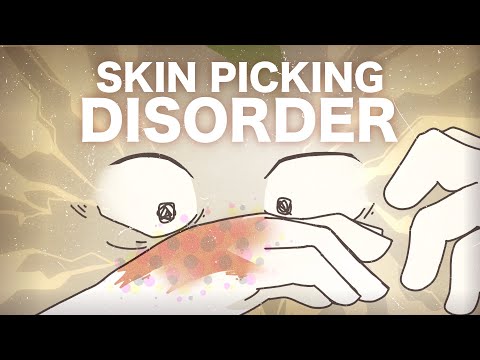
You know those days when you just can’t stop fidgeting? Or maybe you’ve caught yourself picking at your skin without even realizing it. Yeah, that’s more common than you think.
Now, let’s chat about two things that often pop up together: ADHD and skin picking. Sounds kinda wild, huh? But there’s a deeper connection here worth exploring.
Imagine being in a meeting or trying to study, and your brain feels like it’s bouncing off the walls. That’s ADHD for ya! And then there’s the skin picking thing—it’s like your mind is searching for something to grab onto when things get overwhelming.
So what gives? Why do these two behaviors seem to tango together? Let’s break it down and see what’s really going on in our heads.
Understanding Psychological Interventions for Skin Picking: Effective Strategies and Treatments
- Skin picking, also known as excoriation disorder, is a behavior where individuals repeatedly pick at their skin, often leading to noticeable damage. You might wonder why someone would engage in this. Well, it often starts as a response to stress or anxiety, serving as a way to cope.
- This behavior is sometimes linked with ADHD. Research suggests that individuals with ADHD might be more prone to impulsive actions, which can include skin picking. The frustration that comes from ADHD challenges can heighten emotions and lead to such behaviors as a way of self-soothing.
- Psychological interventions for skin picking focus on understanding the triggers and finding healthier coping mechanisms. One effective strategy is Cognitive Behavioral Therapy (CBT). CBT helps you recognize harmful thought patterns and develop strategies to challenge them. For instance, if you find yourself thinking “I have to pick at my skin when I’m anxious,” CBT would help you reframe that thought.
- Another useful approach is Habit Reversal Training (HRT). This involves becoming more aware of the behavior and replacing it with a less harmful action. Imagine if every time you felt the urge to pick, you instead squeezed a stress ball or fidgeted with something else? This can gradually reduce the frequency of picking.
- Mindfulness techniques can also be beneficial. Practicing mindfulness helps increase your awareness of what’s happening in your body and mind—like noticing when you’re feeling anxious without immediately reacting by picking at your skin. You might start doing deep breathing exercises or even meditation when you feel an urge coming on.
- Sometimes medication can be part of the solution. Certain antidepressants may help reduce symptoms associated with skin picking by addressing underlying anxiety or impulse control issues.
- A support network plays a crucial role too! Talking openly about these feelings with friends or family who understand what you’re going through can be incredibly validating. It’s like having your own cheer squad encouraging healthier habits!
- Overall, dealing with skin picking isn’t just about stopping the act itself; it’s about understanding why it happens in the first place and finding effective ways to manage it. Each person’s journey will look different—what works for one person might not resonate with another—but there are definitely strategies out there that can make a real difference!
Exploring the Link Between Skin Picking and Dopamine Release: Insights and Implications
Exploring the link between skin picking and dopamine release is pretty fascinating. It’s like peeling back layers of a psychological onion. You’ve got this behavior that, at first glance, might seem odd but actually ties into some complex brain chemistry.
Skin Picking Basics
So, let’s talk about skin picking, also known as dermatillomania. It’s a condition where people feel this overwhelming urge to pick at their skin. It often leads to noticeable damage and can cause emotional distress. Not just a bad habit, it can be linked to anxiety or boredom.
Now, when it comes to dopamine—this little neurotransmitter gets all the credit for pleasure and reward in your brain. When you do something enjoyable or fulfilling, like eating your favorite food or getting a compliment, your brain releases dopamine. This makes you feel good!
The Connection
Here’s where things get interesting: skin picking can also trigger dopamine release. When someone picks at their skin, they may experience a temporary relief from anxiety or stress. That sense of relief? Yeah, it feels good! So good that the brain associates this behavior with that rewarding feeling—almost like getting a little high from it.
And if we throw ADHD into the mix, things get even more complicated. Many people with ADHD struggle with impulse control. The instant gratification of skin picking can become a go-to coping strategy for them—a way to deal with overwhelming feelings or boredom.
Implications
This connection has real implications for how we understand both behaviors:
Anecdote Alert!
I remember talking with a friend who struggled with nail biting and skin picking; they said it felt like an escape from their racing thoughts—like zoning out while driving on autopilot. They realized it wasn’t just about the act but what came after that made them want to do it again.
So yeah, exploring this connection reveals so much about human behavior! Recognizing these patterns is key in figuring out healthier ways to cope with anxiety or restlessness without relying on behaviors like skin picking that only lead us down a rough path.
Understanding these connections gives us insight into how brains work under pressure—and maybe helps someone find better ways through tough moments without inflicting harm on themselves.
Understanding the Link Between ADHD and Skin Picking in Adults: Causes, Effects, and Management Strategies
Alright, so let’s talk about something that might not get enough attention: the connection between ADHD and skin picking in adults. This is a real issue for many people, and understanding it can really help in managing it.
ADHD, or Attention Deficit Hyperactivity Disorder, affects how you pay attention, control impulses, and manage your actions. Now, add skin picking into the mix. Also known as excoriation disorder, skin picking is when someone repeatedly picks at their skin, often leading to damage or injury. Sounds tough, right?
You might be wondering how these two are linked. Well, it boils down to several factors:
- Impulsivity: Many adults with ADHD struggle with impulse control. This can lead to spontaneous behaviors like skin picking as a way to cope with feelings of restlessness or boredom.
- Emotional Regulation: People with ADHD might find it hard to manage their emotions effectively. Skin picking can sometimes serve as a way to express anxiety or frustration.
- Sensory Seeking: Some folks with ADHD are always on the lookout for sensory stimulation. Picking at their skin can provide that needed sensation or even just serve as a distraction.
I remember a friend who had ADHD and would find herself picking at her hands whenever she felt overwhelmed while studying. It was almost like her brain was looking for something else to focus on while wrestling with all those thoughts buzzing around!
The effects of this behavior can be pretty significant—they go beyond just physical damage. There’s often an emotional toll too: feelings of shame or embarrassment, increased anxiety, and sometimes even social withdrawal because of visible scars or marks on the skin.
If someone you know is dealing with this combo of ADHD and skin picking, there are management strategies that could help:
- Cognitive Behavioral Therapy (CBT): This approach helps people identify triggers and change harmful thought patterns related to both ADHD symptoms and skin picking.
- Minding Your Hands: Keeping your hands busy with fidget toys or stress balls can redirect the urge away from skin picking.
- Mindfulness Practices: Techniques like meditation or yoga might help improve focus and emotional regulation—making it easier to resist that urge to pick.
A friend of mine took up knitting not just as a hobby but also seriously helped keep her hands engaged during stressful situations! It worked wonders.
The bottom line here is that understanding the relationship between ADHD and skin picking can open doors for better management strategies. Recognizing those impulsive behaviors isn’t just about stopping them; it’s also about understanding what drives them in the first place. Keeping an open conversation about these issues—without stigma—can go a long way in helping someone you care about feel supported.
So, let’s chat about this interesting combo: ADHD and skin picking behavior. You know, those two topics might seem miles apart at first glance. But when you dig a bit deeper, you start to see some connections that can really shed light on why people do certain things.
ADHD, or Attention Deficit Hyperactivity Disorder, is like this tricky puzzle of attention issues, impulsivity, and sometimes hyperactivity. Imagine you’re trying to focus on a boring lecture while your mind is racing with a thousand thoughts. Yeah, that’s pretty much what it feels like for someone with ADHD. It can lead to feelings of frustration and even overwhelm because they’re constantly battling their own minds.
Now, skin picking—a behavior often linked to something called excoriation disorder—can be a response to stress or anxiety. It’s kind of like an escape route for some people. Picture someone nervously sitting in a waiting room, fidgeting and picking at their skin as a way to cope with all that pent-up energy or anxiety. When your brain feels chaotic and restless due to ADHD, you might find yourself looking for something tangible to control—like the skin on your hands or arms.
Here’s where it gets personal for me. A friend of mine struggled with ADHD growing up. He often found himself overwhelmed in social situations. To cope with that anxiety—because it was just too much at times—he started picking at his skin without even realizing it! It was almost like he was trying to bring his focus back, but really he was just making things worse for himself.
Both these behaviors have roots in emotional regulation—or the lack thereof. If your brain has trouble managing emotions because of ADHD, then skin picking might feel like a release valve when everything gets too intense. The challenge is finding healthier ways to express those feelings and manage anxiety instead of defaulting to habits that can cause more harm than good.
It’s important to remember there isn’t one size fits all answer here; every person is unique with different experiences and coping mechanisms. Some might find grounding techniques helpful—like deep breathing or fidget toys—to channel their energy elsewhere instead of into harmful habits.
So yeah, when we look at ADHD and skin picking together, we realize they don’t exist in isolation—they can fuel each other in ways that are both complex and understandable. Recognizing these patterns can lead us towards better self-awareness—not just about behaviors themselves but also about how our heads work under pressure. And if we can talk about it openly? Maybe we can help ourselves—or others—find healthier paths forward together!