So, let’s chat about sleep for a sec. You know how important it is, right? But if you have ADHD or know someone who does, sleep can feel like an elusive dream—pun intended!
I mean, seriously, trying to drift off when your mind is racing can be such a struggle. It’s like having a mini party in your head at 3 AM while everyone else is snoozing peacefully. Ever been there?
You might think it’s just a matter of being tired or overstimulated. But the thing is, there’s so much more going on under the surface. It’s wild how ADHD messes with sleep patterns and why that happens. Let’s dig into this and see what we can uncover together!
Understanding ADHD and Sleep Issues in Children: Effective Strategies for Better Rest
When we talk about ADHD (Attention Deficit Hyperactivity Disorder), one thing that often comes up is how it affects sleep. Kids with ADHD frequently have trouble winding down at night. You might have noticed this if you’re a parent or even if you just know kids who seem full of energy, even when it’s bedtime.
Here’s the thing: the hyperactivity and impulsivity that come with ADHD can make it really hard for children to settle down for sleep. Their brains are like little fireworks, bursting with thoughts and ideas when they should be chilling out. Plus, they might struggle with self-regulation, which means they have trouble calming themselves after a busy day.
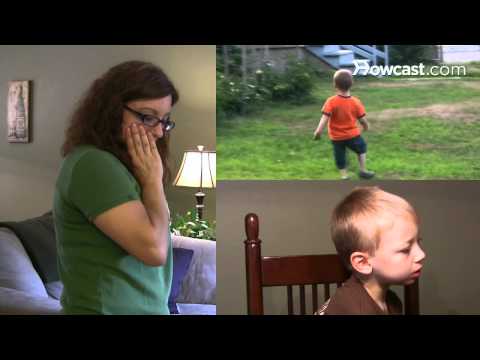
Now, if you’re wondering what that looks like in real life, picture this: after a long day at school full of stimulation, your child comes home and just can’t sit still. When it’s time for bed, instead of getting cozy under the covers, they’re bouncing off the walls or asking a million questions. It’s exhausting for both them and you!
- Sleep Environment: Creating a good sleep environment is key. This means keeping things calm and dark—like turning off bright screens an hour before bed. A dimly lit room can help cue their bodies that it’s time to wind down.
- Consistent Routine: Establishing a bedtime routine can work wonders! Like reading a story together or having quiet time with some light activities can signal to their brains that sleep is coming soon.
- Physical Activity: Regular physical activity during the day can help too! Just think about it: when kids get enough exercise, they tend to have more regulated energy levels in the evening.
- Lifestyle Choices: Pay attention to what kids eat and drink close to bedtime—caffeine can sneak into those after-school snacks! Even sugary treats may keep them bouncing when you’d rather see them snoozing.
You might also find it helpful to involve your child in discussions about their own sleep habits. I remember this one kid I knew named Jake; he was always up late because his mind was racing! One night, his mom asked him what kept him awake. Turns out he had worries about school—not exactly shocking for most kids but something he hadn’t shared before! Talking it out helped him feel lighter and made bedtime easier.
If these strategies don’t seem to do the trick right away, don’t stress too much. Sometimes sleep patterns take time to adjust—just like everything else in life! And remember, if you’re concerned about your child’s sleep habits or overall well-being, reaching out to a professional might shed more light on what’s going on.
The vital takeaway? Understanding how ADHD affects your child’s sleep patterns is key to helping them rest better at night. With some thoughtful adjustments and patience, both you and your child can look forward to more restful nights ahead!
Understanding ADHD-Related Sleep Issues in Adults: Causes, Effects, and Solutions
Alright, let’s chat about ADHD and sleep issues in adults. You might not realize how they’re connected, but it’s a real thing! Many adults with ADHD struggle to get good sleep, and understanding why can help you deal with the effects.
First off, what leads to these sleep problems? There are a few factors at play:
- Restlessness: ADHD often comes with an inability to calm the mind or body. You could be tossing and turning or jumping from one thought to another even when you should be winding down.
- A racing mind: If your brain is constantly buzzing with ideas or worries, drifting off can feel impossible. Imagine trying to fall asleep while your thoughts are throwing a party!
- Inconsistent schedules: Many people with ADHD might have erratic routines. Going to bed at different times can totally mess with your internal clock.
The effects of not getting enough sleep? Well, they’re pretty significant!
- Mood swings: Lack of sleep can amplify irritability and anxiety, which you probably don’t need more of.
- Cognitive issues: Sleep deprivation affects attention and memory—not exactly ideal for someone already navigating attention hurdles.
- Physical health: Over time, sleep problems can lead to weight gain and other health issues because of stress levels and fatigue.
You know that feeling when you wake up after tossing and turning all night? It’s rough. But there are ways to tackle these challenges head-on.
Here are some strategies that might help improve sleep quality:
- Create a bedtime routine: Just like kids benefit from this, so do adults! Develop a calming pre-sleep ritual—a bit of reading or gentle stretching works wonders.
- Avoid screens before bed: Blue light from phones or computers can trick your brain into thinking it’s still daytime. Try putting them away an hour before hitting the hay.
- Minding your environment: Make sure your bedroom is cool, dark, and quiet. Sometimes simple changes make a big difference in how well you rest!
If you’re still struggling even after trying these things, don’t hesitate to talk things over with someone who gets it—like a mental health professional. They can provide tailored advice that fits your needs.
The bottom line? Sleep issues linked to ADHD aren’t just annoying; they affect many areas of life! Understanding what’s going on is the first step toward making meaningful changes. And hey, better sleep? It could lead to smoother sailing in everyday life!
Effective Natural Sleep Aids for Adults with ADHD: A Comprehensive Guide
Sleep can be a real challenge for adults with ADHD. The struggles with attention and hyperactivity often extend into the night, making it tricky to wind down. You might find yourself tossing and turning instead of getting those much-needed Z’s. Let’s chat about some natural sleep aids that could help.
First off, melatonin is a popular go-to. It’s a hormone your body naturally produces to regulate sleep cycles. Some people with ADHD might have lower melatonin levels, making it harder to fall asleep. You could try taking a melatonin supplement before bedtime, but it’s best to start with a low dose and see how your body reacts.
Then there are herbal remedies. Consider chamomile tea or valerian root—both have calming properties. Chamomile has been known for ages as a soothing drink before bed, while valerian might help you feel more relaxed overall. Just make sure you’re not mixing these with other medications you’re taking.
Another option could be mindfulness and relaxation techniques. You know how sometimes your mind just races when you’re trying to sleep? Practicing mindfulness can help ground you. Simple meditation or breathing exercises can really shift your focus away from that busy brain of yours, letting you ease into sleep mode.
Let’s not forget about creating the right environment for snoozing! Your bedroom should feel like a sleep sanctuary—dark, cool, and quiet. Invest in some blackout curtains or a white noise machine if outside noises keep you awake at night.
Lastly, consider establishing a solid sleep routine. Going to bed and waking up at the same time every day helps regulate your body’s internal clock. This consistency can make it easier for you to fall asleep faster over time.
So yeah, while managing ADHD comes with its own set of hurdles—especially at bedtime—there are ways to encourage better sleep naturally. Little changes here and there can really add up! Try experimenting with these methods and see what works best for you; after all, finding that perfect sleep strategy is often all about personalization.
So, let’s talk about sleep—specifically, how it connects to ADHD. If you or someone you know has ADHD, you might’ve noticed how tricky sleep can be. I mean, it’s like trying to find a needle in a haystack sometimes!
A friend of mine, let’s call her Sarah, struggles with this. She always has these racing thoughts at bedtime. While most people are drifting off into dreamland, she’s juggling a million ideas and worries in her head. Imagine lying there wide awake, your mind buzzing like it’s 3 PM instead of 3 AM. It can really mess with your day-to-day life.
You see, ADHD isn’t just about attention and focus; it also impacts sleep patterns significantly. Studies have shown that folks with ADHD often have irregular sleep schedules or fight sleep altogether. It’s like their brains are on hyperdrive when they should be winding down. And trust me—sleep is crucial for everyone but even more so for those with ADHD because good rest helps with impulse control and mood regulation.
So what’s going on here? Well, one thing is the hyperactivity itself; all that energy doesn’t just vanish at bedtime! Plus, there may be some anxiety thrown in the mix—a bit of a recipe for insomnia if you ask me. It can feel overwhelming when your mind won’t settle down after a long day.
Addressing these challenges from a psychological perspective means understanding the root of the problem—kind of getting into the nitty-gritty of what keeps people like Sarah up at night. Sometimes relaxation techniques can help—a warm bath or perhaps some calming music before bed might do wonders!
And let’s not forget about setting boundaries around screens too; that blue light can mess with your melatonin levels big time. Creating a consistent bedtime routine might also help signal to the brain that it’s time to chill out.
Ultimately, finding ways to improve sleep isn’t just about counting sheep; it’s about addressing those underlying issues related to ADHD itself and learning ways to cope with them. Everyone deserves restful nights and refreshed mornings, right? So addressing these challenges thoughtfully could make all the difference for someone struggling through sleepless nights!