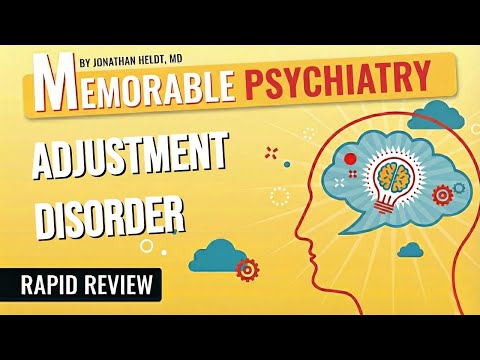
You know those times when life throws you a curveball? Maybe it’s a big move, a breakup, or even starting a new job. Suddenly, everything feels off. That’s what we call adjustment disorder.
It hits harder than you’d think. You’re not alone in feeling overwhelmed by change. Seriously, we all go through it in one way or another.
So, what’s the deal with this adjustment thing? It can mess with your head and emotions. But don’t worry! We’re here to break it down together.
Let’s chat about coping strategies and ways to make sense of the chaos in your mind. You up for it?
Understanding Adjustment Disorder in DSM-5: Symptoms, Diagnosis, and Treatment Options
Adjustment disorder can feel like a heavy weight on your shoulders, right? Basically, it pops up when you’re having a hard time dealing with a significant life change or stressor. Whether it’s moving to a new city, going through a breakup, or facing job loss, these changes can sometimes throw us off balance. And that’s where adjustment disorder steps in.
Symptoms of adjustment disorder can really vary from person to person. Some common ones include:
- Sadness: You might find yourself feeling down more often than not.
- Anxiety: It’s like this constant worry buzzing in the back of your mind.
- Irritability: Little things start to annoy you more than usual.
- Difficulty concentrating: Focus? What’s that? You might feel scattered.
- Changes in sleep or appetite: Either you’re munching non-stop or skipping meals.
Imagine you just moved to a new place and everything feels foreign. You feel isolated and anxious about fitting in. That overwhelming feeling can be classified as adjustment disorder if it lasts for more than three months after the stressor.
Now, when it comes to diagnosis, healthcare professionals usually follow criteria outlined in the DSM-5, which is like the go-to manual for mental health disorders. They’ll assess whether:
- The symptoms come from identifiable stressors occurring within the last three months.
- The issues are excessive compared to what would be expected given the situation.
- The symptoms impact your daily functioning significantly.
It’s important to remember that everyone copes differently. Just because someone else handles a similar situation without much fuss doesn’t mean you should, too.
When talking about Treatment Options, there are some roads you can take:
- Therapy: Talking things out with a therapist can help you process those feelings and develop coping strategies. Think of it as having someone guide you through your emotional maze.
- Support Groups: Connecting with others who understand what you’re going through can be incredibly validating. It creates this sense of “I’m not alone.”
- Lifestyle adjustments: Small changes like regular exercise, better sleep habits, and healthy eating can make a big impact on how you feel mentally and emotionally.
For instance, let’s say you’ve just lost your job. A therapist might help explore those feelings of inadequacy and anxiety while suggesting ways to cope—like creating a structured plan for job hunting—or even guiding you in mindfulness techniques to ease stress.
So basically, dealing with adjustment disorder doesn’t have one-size-fits-all answers. It’s about finding what works for *you* during those tough times! Remember: acknowledging that you’re struggling is the first step towards feeling better—you’re not alone in this journey!
Understanding Adjustment Disorder: Comprehensive PDF Guide and Resources
Adjustment disorder might sound a bit clinical, but it’s really just a fancy way of describing how we sometimes struggle to cope with life changes. So, when you find yourself feeling overwhelmed after a break-up, moving to a new city, or even losing a job, that’s basically your brain trying to keep up with everything that’s been thrown at you.
First off, let’s get into what this disorder actually is. Basically, adjustment disorder occurs when your responses to stressors—like major life changes—go beyond what you’d normally expect. You know how sometimes you feel sad for days after something big happens? That’s part of it. It’s not just feeling blue; it’s like your emotions have taken the wheel and started driving around in circles.
Now you might be wondering how common this thing is. Well, researchers say it’s pretty typical! Many people experience it at some point in their lives. In fact, about 5-20% of folks seeking help for mental health issues are dealing with adjustment disorders. That makes it one of the more relatable topics in psychology.
So what does this look like in real life? Imagine you’re starting college and feeling excited but then suddenly find yourself crying over homework and feeling totally lost in the crowd. That’s one way adjustment disorder can manifest: through feelings of sadness, anxiety, or even anger that come about because you’re struggling to adapt.
Here are a few key points to keep in mind:
Coping isn’t always easy either. You might feel isolated or think no one else gets what you’re going through. But remember: it’s okay to talk about these feelings; sharing can ease some of the weight on your shoulders.
Anecdotally speaking—a friend of mine once got hit hard after his girlfriend left him out of nowhere. He felt utterly lost and didn’t know who he was anymore without her by his side. It took time and reaching out to friends for support before he started finding his footing again.
When dealing with adjustment disorder:
In addition to these strategies, there are some great resources available out there! Articles and guides online offer insights into coping mechanisms as well as support groups where folks share their stories—it helps lessen loneliness and fosters understanding.
If you’re interested in diving deeper into adjustment disorders—or maybe gathering resources—you might check out mental health organization websites where they provide PDF guides, articles tailored for various needs, and info on local support networks.
In summary? Adjustment disorders aren’t exactly fun but they’re part of being human really! Understanding it can lead you towards managing those intense emotional waves better while reminding us that we’re never truly alone in our struggles.
Effective Strategies for Adjustment Disorder Treatment: Navigating Support and Recovery
Adjustment disorder can feel like you’re trying to swim against a current. Imagine this: you’ve just moved to a new city, and everything feels foreign. You’re missing your old friends, your routine is thrown off, and every little thing feels overwhelming. It’s totally understandable that you’d struggle to cope with such changes. But don’t worry; there are effective strategies to help you navigate through this!
Talk It Out
Communication is key when dealing with adjustment disorder. Seriously, it can be a game changer. Reaching out to friends or family can provide a sense of relief and validation. Sharing what you’re feeling helps put things into perspective and reminds you that you’re not alone in this journey.
Get Organized
Sometimes, it gets chaotic really fast, right? Making lists or setting small goals can help you regain some control. For instance, if you’re adjusting to a new job, breaking down tasks into smaller steps can make them feel less daunting. Celebrate those small wins! They matter.
Practice Mindfulness
Ever heard of mindfulness? It’s about being present and focusing on the here and now instead of stressing about what’s next or what happened yesterday. Simple breathing exercises or meditation apps can guide you through it. Just take a few deep breaths when everything feels like too much—it really helps ground you.
Seek Professional Support
Sometimes the best way through is with professional help. Think about talking with a therapist who specializes in adjustment disorders or similar issues. They’ve got tools up their sleeves that can make coping easier and less isolating.
Engage in Physical Activity
You know how sometimes just going for a walk clears your head? Physical activity releases those feel-good chemicals called endorphins that boost your mood! Even a short stroll around the block or dancing like no one’s watching in your living room can work wonders.
Create a Routine
Establishing some sort of daily routine provides structure that might be missing during transitions. Try scheduling times for meals, relaxation, work, and even socializing—it gives your day rhythm and reduces uncertainty.
Be Patient with Yourself
Adjusting takes time—like seriously! It’s totally normal to have ups and downs during this period of change. So be kind to yourself when things don’t go perfectly; progress isn’t always linear.
Avoid Substance Use
In tough times, it’s tempting to turn to alcohol or drugs as an escape route but that’s often just putting off the inevitable feelings you’ll have to face later on. Instead of easing distress temporarily, they could complicate recovery even more.
Incorporating these strategies won’t magically erase the struggles you’re facing due to an adjustment disorder but they sure can help make navigating life feel more manageable over time! Remember that changing any habit takes time—just keep at it one step at a time!
Adjustment disorder can feel like a heavy weight, you know? It’s that struggle to get your bearings after experiencing something major—like moving to a new city, losing a job, or even ending a relationship. Basically, it’s your mind’s way of saying “Whoa! I didn’t sign up for all this change!”
I remember when my friend Jess moved across the country for a job. She was super excited at first but soon found herself feeling anxious and overwhelmed. Every little thing became a big deal—finding new friends, navigating unfamiliar streets, everything felt off-kilter. It was tough watching her grapple with those feelings of sadness and frustration that seemed to come out of nowhere.
So what exactly is going on here? Well, adjustment disorder arises when you’re just not able to cope with big changes or stressors like most people do. It’s like when you expect a rollercoaster ride at an amusement park but instead get thrown into a wild free-fall without warning! The emotional turmoil can lead to anxiety, depressed mood, or even irritability.
And here’s the kicker: it’s often temporary. That doesn’t mean it’s not significant or painful—it totally is! But the good news is that there are ways to handle it. Talking things out with friends helps; sometimes just pouring your heart out can lighten that load. Finding healthy distractions, engaging in activities you love, or even getting back into routines can also give you some stability.
Coping mechanisms vary from person to person. Some might find mindfulness or meditation helpful; others might turn to exercise as their outlet—feeling every ounce of stress wash away with each sweat drop. The key is not to ignore those feelings but rather acknowledge them and find what fits right for you.
It’s totally okay to ask for help too! Reaching out to someone who understands can provide clarity and relief. You don’t have to navigate this all alone; we’re all in this together at some point!
In the end, adjustment disorders remind us just how resilient we are as human beings—even when we’re feeling shaky or lost. Each bump along the road teaches us something valuable about ourselves and our capacity for growth and change. So if you’re facing one of those bumps right now, hang in there—you’ve got this!