So, you know how sometimes life feels like a balancing act? On one side, you’ve got your own stuff—dreams, struggles, those little victories that make your heart soar. And on the other, there’s this big world full of other people. Community can be tricky, right?
That’s where Adlerian psychology comes in. It’s all about understanding ourselves better while also recognizing our connection to others. It’s like a big hug for our emotional well-being!
Adler believed that we grow best when we feel linked to each other. Sounds cool, huh? This approach invites you to explore not just who you are, but how you fit into the bigger picture. So let’s dig in and see what this whole community and growth thing is all about!
Understanding Adler’s Sense of Community: Key Concepts and Implications for Social Relationships
Understanding Adler’s Sense of Community
Adler’s sense of community is one of those concepts that really gets to the heart of human interaction. Basically, it revolves around the idea that we are all connected, and our personal growth relies on our relationships with others. This isn’t just some fluffy notion; it has real implications for how we live and interact.
1. Social Interest: At the core of Adler’s philosophy is *social interest*. This refers to the idea that individuals thrive when they contribute to the welfare of others. When you’re not just looking out for yourself, but also caring for your community, everyone benefits. Think about it: when you volunteer or help a friend, you not only uplift them but also feel more fulfilled yourself!
2. Feeling Belonging: Another key concept is the feeling of belonging. Ever notice how good it feels to be part of a group? Whether it’s a club, family, or even online communities, these connections offer support and validation. Adler believed that this sense of belonging is crucial for mental health and well-being. If you’ve ever felt lonely in a crowded room, then you know what I mean.
3. Cooperation Over Competition: Here’s where things get interesting—Adler pushed back against the competitive mindset often found in society. He suggested that cooperation leads to better outcomes for everyone involved. Imagine working on a group project where everyone collaborates instead of competing; that’s way more productive and can strengthen relationships.
4. Equality and Respect: Adler emphasized the importance of treating others as equals. Everyone has something valuable to contribute regardless of their background or status. When you respect others’ opinions and feelings, it fosters trust and strengthens bonds within your community.
5. Individual Growth in Context: A big takeaway from Adler’s ideas is how individual development doesn’t happen in isolation—it’s shaped by social relationships and community dynamics! Your personal struggles might feel like private battles, but they often overlap with wider social issues.
Imagine this: You’re having a rough week at work and decide to chat with a coworker who’s been super supportive in the past. By discussing your challenges together, maybe they offer insights from their experiences or even help lighten your load at work! That’s how community operates—it lifts each other up!
In summary, Adler’s sense of community encourages us to nurture connections, promote cooperation over competition, and recognize that our growth aligns closely with our social ties. It’s a reminder that we are all pieces in this intricate puzzle called life! If we focus more on community efforts instead of self-serving motives, we might just create a better world for ourselves—and isn’t that something worth aiming for?
Understanding Adler’s Individual Psychology Theory: Key Concepts and Applications
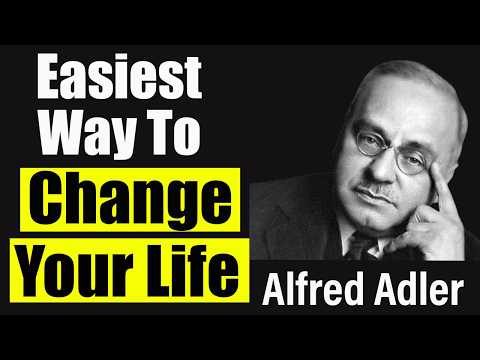
Understanding Adler’s Individual Psychology Theory is like stepping into a fascinating world where each person is seen as a unique individual with their own struggles, goals, and community ties. Alfred Adler, the guy behind this theory, really shifted the focus from just inner conflicts to how we connect with others. So let’s unpack some of the key concepts and how they play out in our lives.
Social Interest is at the heart of Adler’s theory. Basically, it means our awareness of being part of a larger community and our desire to contribute positively to it. The thing is, when you have strong social interest, life feels more fulfilling. Imagine a time when you helped someone or worked on a team project. That warm fuzzy feeling? Yeah, that’s part of it!
Another big idea is inferiority complex. We all have times when we feel inadequate or less than others. This isn’t just about having low self-esteem; it’s more like an inner drive pushing us to overcome those feelings and strive for betterment. Think back to school—maybe you struggled in math but worked hard to improve your skills over time. That drive? Classic Adler.
Then there’s lifestyle. This refers to the unique way each person approaches life—it’s shaped by experiences, beliefs, and choices we make early on. Take two siblings who grow up in the same house; they might have completely different lifestyles because of how they interpret their experiences. One might be super adventurous while the other is cautious.
Now let’s touch on goals. According to Adler, everything we do is directed toward some goal which reflects our view of ourselves and our social environment. It’s like that saying: “If you aim for nothing, you’ll hit it every time.” If you’re driven by a desire for belonging or achievement, those goals shape your actions in profound ways.
The concept of holism also plays an important role here. It suggests that instead of viewing a person as just their symptoms (like anxiety or depression), we should look at them as a whole—mind, body and spirit connected within their environment.
So what does all this mean in practical terms? Well, think about how these concepts can be applied in various aspects of life:
- Education: Creating classrooms that encourage collaboration helps students develop social interest.
- Therapy: Understanding clients’ lifestyles helps therapists offer support that’s tailored specifically to them.
- Workplace Dynamics: Teams that foster community connection lead to greater productivity.
In essence, Adler’s theory isn’t just about fixing problems; it’s about helping people grow individually while also lifting up their communities. When individuals thrive together and support one another’s growth—boom! You’ve got a healthier society overall.
When all’s said and done, embracing these concepts fosters not only personal growth but creates environments where everyone benefits can flourish together. It kind of makes sense why Adler’s ideas are still relevant today!
Understanding Adlerian Brief Therapy: Processes and Practices for Individual Counseling
Understanding Adlerian Brief Therapy can be pretty fascinating. So, let’s break it down in a way that makes sense, alright?
Adlerian Psychology, founded by Alfred Adler, is all about understanding people in the context of their social environment. It emphasizes community and individual growth. The core idea is that our behaviors are influenced by our feelings of belonging and the desire to contribute to something bigger than ourselves.
When it comes to Adlerian Brief Therapy, it’s designed to be efficient and focused, usually lasting just a few sessions. It aims to help you achieve insight into your life and develop practical strategies for change.
One of the first things you notice in this therapy is its focus on goals. You’ll work collaboratively with your therapist to identify what you want to achieve. And I mean clear goals—like “I want to improve my relationships” or “I need help feeling more motivated at work.” This clarity can seriously make a difference in how you approach your challenges.
Next up is understanding lifestyle. This isn’t about how fancy your lifestyle is—it’s about the unique way you perceive and interact with the world. Adler believed we all create a personal map based on our experiences, values, and beliefs. Think about how two friends react differently to criticism; it’s all about their individual maps!
Then there’s the concept of social interest. This refers to your ability to connect with others and contribute positively to society. If someone feels isolated or disconnected, this part of Adlerian therapy can really shine. You might explore how improving your relationships or engaging more with your community could enhance your sense of purpose.
Another key element involves birth order. Yup! Adler thought that where you fall among siblings could shape aspects of your personality. Firstborns might feel more pressure or responsibility while youngest kids often get a reputation for being more fun-loving or rebellious. These dynamics often come up in sessions as they’re part of understanding behavior patterns.
And let’s not forget about encouragement. In Adlerian Brief Therapy, there’s a heavy emphasis on positive reinforcement instead of dwelling on problems. The focused encouragement helps build self-esteem and empowers individuals to take ownership of their lives.
You might also engage in early recollections, which isn’t as creepy as it sounds! Basically, this involves reflecting on memories from childhood that stand out for you. They can reveal significant insights into your current behaviors and thought patterns.
During sessions, an Adlerian therapist will use natural conversation—no rigid structures here! They will guide discussions but allow space for spontaneity so that real issues come up organically. It feels like chatting with an old friend who just happens to have some great insights into human behavior!
In summary, Adlerian Brief Therapy revolves around understanding individual lifestyles within social contexts while fostering personal growth through encouragement and goal-setting. It’s kind of like having a supportive partner who’s helping you navigate life while reminding you that you’re not alone in this whole journey.
Overall, it’s all geared toward building community ties while helping individuals grow personally—because when one person thrives, we all benefit!
Adlerian psychology, huh? It’s kind of like the underdog of the psychological theories. You might not hear about it as much as Freudian or Jungian stuff, but it has some cool insights—especially when it comes to community and personal growth.
So, let’s say you’ve heard about Alfred Adler, right? He was all about how our social environment shapes us. Instead of just focusing on individual issues or past trauma like some other schools of thought, Adler really believed that we’re all in this together. He thought our relationships with others can lift us up or drag us down. Talk about a team player mindset!
I remember chatting with my buddy Sarah once. She had this dream of starting her own business but felt totally stuck due to self-doubt. I told her about Adler’s idea that we’re all striving for belonging and significance in our lives. By leaning into her community—her friends, family, even random acquaintances—she could find support and encouragement to chase after those dreams instead of feeling isolated. And you know what? She did it! That sense of community helped her gain confidence.
Now here’s the thing: Adler emphasized that we all have this deep desire to connect and contribute to something bigger than ourselves. Whether it’s through friendships, families, or groups at work, these connections can really boost our sense of purpose. It’s like when you help a friend move; yeah it might be a pain at the time, but afterward you feel so good about having done something together. That camaraderie is essential for personal growth.
Adler also talked about “social interest,” which is basically how much we care about others’ well-being and contribute to society. Imagine if everyone tried to foster empathy and collaboration; it would create this ripple effect! When you’re genuinely interested in lifting others up, your own life gets enriched too—the cycle continues!
But hey, it’s not just about being nice for the sake of it. It’s about recognizing that your growth is tied directly to those around you. So if you’re looking at self-improvement as a solo mission only? You might be missing out on an important piece of the puzzle.
In summary, whether you’re helping someone get back on their feet or just being there for a friend during tough times, Adlerian psychology reminds us that fostering community isn’t just nice; it’s vital—for both individual growth and collective well-being. Together we rise!