You know how some people seem super chill in relationships, while others are, like, always worried or clingy? It’s intriguing, right? Well, that’s where attachment styles come into play.
Basically, it’s about how we connect with others. Our past experiences shape these patterns. So when you’re in a relationship, your attachment style kicks in—and it can totally influence the vibe.
Ever had a moment when you felt all cozy and secure? Or maybe you found yourself freaking out over a text that didn’t come? Yeah, that’s what I’m talking about!
Let’s dig into this fascinating world of adult attachment styles. You might just discover something about yourself—or someone you love!
Discover Your Attachment Style: Take the Quiz to Transform Your Relationships
Sure, let’s break down the whole idea of attachment styles and how they play a role in your relationships. It’s a pretty interesting topic if you think about it, and knowing what your attachment style is can totally change how you connect with others.
Basically, attachment styles come from the way we bonded with our caregivers when we were kids. These patterns often stick with us into adulthood, influencing how we relate to our partners, friends, and even family. There are four main types to consider:
- Secure Attachment: People with this style tend to feel comfortable with intimacy and are generally warm and loving. They approach relationships confidently.
- Avoidant Attachment: Those who have this style often keep their distance in relationships. They might value independence too much or shy away from emotional closeness.
- Anxious Attachment: If this is your style, you may crave closeness but also fear abandonment. You might find yourself getting anxious when things aren’t perfect in your relationship.
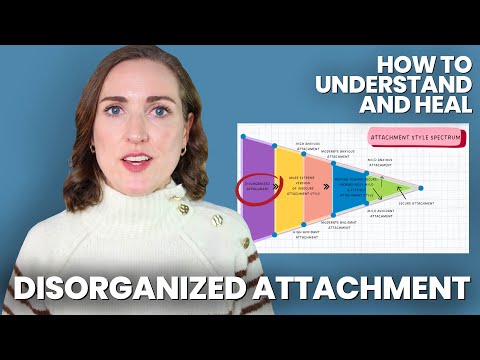
- Disorganized Attachment: This one’s a mix of avoidant and anxious behaviors. It often comes from trauma or inconsistent caregiving experiences during childhood.
Now, knowing which category you fit into can help you understand why you do what you do in relationships. For example, if you’re always worried about being abandoned (anxious), it might explain why you’re texting your partner nonstop when they’re late getting home.
A while back, I had a friend who struggled with her relationships because she had an anxious attachment style. She’d panic every time her boyfriend didn’t respond immediately to texts. Once she figured out her style through a simple quiz online—trust me; they’re everywhere now—she started to recognize those patterns. Realizing this gave her power over understanding her reactions.
The good thing about these quizzes is that they can help spark conversations about feelings and needs in partnerships. They’re not just for self-discovery; sharing what you learn can actually bring folks closer together! You know what I mean?
So when you’re looking at this stuff, don’t just think of it as a label that boxes you in—rather see it as a way to open up discussions about healthy boundaries and communication styles.
And look, awareness is half the battle! Just being able to say “Hey, I tend to overreact sometimes because of my anxious attachment” can totally change how conflicts unfold—and that’s powerful!
In short, dive into your own patterns by checking out those quizzes or resources available online if you’re curious about your attachment style. Knowing more about yourself isn’t just helpful; it’s like unlocking a new level in understanding how you connect with people around you!
Understanding Adult Attachment Theory: Insights into Relationships and Emotional Bonds
Adult Attachment Theory is all about how the bonds we form in our early relationships can shape how we connect with others as adults. Picture this: the way you were cared for as a kid—maybe it was comforting and consistent, or maybe it felt like a rollercoaster ride—can influence your behaviors and feelings in your romantic relationships today.
So, basically, there are four main attachment styles that people generally fall into:
- Secure Attachment: These folks feel comfortable with intimacy and are pretty good at balancing closeness with independence. They trust their partners and communicate well. If you’ve ever met someone who seems to effortlessly navigate through relationships, that’s likely someone with a secure attachment style.
- Anxious Attachment: People with this style often crave closeness but are super worried that their partner might not feel the same way. They might come off as clingy or overly sensitive to signs of rejection. Imagine texting someone constantly because you’re freaking out about whether they’ll respond or not; that’s an anxious attachment vibe.
- Avoidant Attachment: This style is a bit tricky. Individuals may value independence so much that they keep others at arm’s length. Opening up can be really hard for them. Think of someone who tends to pull away when things get too emotional or intense—that’s avoidant attachment in action.
- Fearful-Avoidant (or Disorganized) Attachment: This is like a mix of anxious and avoidant traits. These individuals often want closeness but also fear it due to past trauma or inconsistent caregiving experiences. They may find themselves in a tug-of-war between wanting love and feeling scared of it.
Understanding these styles can be game-changer for your relationships, right? Like, if you know you’re anxious, you might catch yourself overthinking things when your partner doesn’t text back right away. Or if you’re avoidant, knowing why you resist intimacy can help you take baby steps toward being more open.
Here’s an example to throw into the mix: Let’s say you’re dating someone with an anxious attachment style. They might frequently need reassurance about your feelings for them, which could leave you feeling smothered if you’re more on the avoidant side. If both partners recognize their styles, there’s a better chance to understand one another and find common ground.
Now think about how our childhood experiences relate! If you grew up with parents who were consistently there for you—nurturing your needs—you likely formed secure attachments easily. But if your caregiver was unreliable? You might have ended up feeling unsure about relationships later on because those early experiences taught you that love isn’t dependable.
The real kicker here is realizing these patterns don’t have to be set in stone! You can work on shifting toward a more secure attachment style by developing self-awareness, improving communication skills, and even seeking help from trusted friends or professionals when needed.
Understanding adult attachment theory opens doors—you see not just how you relate to others but also why conflicts arise in relationships! It turns out getting along doesn’t just require love; it also depends on understanding those invisible threads that bind us emotionally. So next time you’re feeling confused about why something’s not working out in your relationship, take a moment to reflect on your own attachment styles and those of your partner’s—it could lead to some pretty enlightening conversations!
Understanding Attachment Styles: A Comprehensive Test to Explore Your Relationship Patterns
When we talk about attachment styles, we’re really getting into how our early relationships with caregivers shape the way we connect with others as adults. These patterns influence everything from how you handle conflict to how you express love. It’s pretty fascinating, right?
So here’s the deal: there are four main attachment styles. They’re like different lenses through which you see relationships:
- Secure Attachment: People with this style feel comfortable with intimacy and independence. They’re generally trusting, and their relationships are often satisfying.
- Avoidant Attachment: This style is characterized by a strong desire for independence. Those who identify with this often keep emotional distance in relationships to avoid feeling vulnerable.
- Anxious Attachment: This one is a bit more chaotic. Individuals tend to be clingy and constantly seek reassurance from partners, fearing abandonment.
- Disorganized Attachment: A mix of avoidant and anxious traits, folks here might struggle with fear of intimacy alongside push-pull behaviors in their relationships.
Your attachment style usually stems from your childhood experiences, like the way your caregivers responded to your needs. Think back to when you were little: did they comfort you when you were upset? Or did they seem distant? These experiences set the stage for how you interact in adult relationships.
You might be wondering how to figure out your own attachment style. There are various quizzes available that can help identify your patterns based on your relationship behaviors and feelings. Just remember that while these tests can offer insights, they’re not set in stone—you can always grow and change!
For example, let’s say you’re someone who tends to feel really anxious when your partner doesn’t text back quickly. That could point towards an anxious attachment style. But recognizing this is a great first step! It means you can work on understanding those feelings better and maybe even communicate them with your partner.
The beauty of understanding these styles is that it opens up conversations about what we need from our partners or friends. Imagine sitting down with a friend who has an avoidant attachment style, maybe explaining why they sometimes pull away when things get too close for comfort—it could clear up a lot of confusion!
If you’re interested in delving into this topic more deeply, consider looking into resources or articles about adult attachment theory. It’s amazing how much clarity this knowledge can bring to your own lives and relationships.
In short, understanding attachment styles helps us navigate our emotional landscapes better and build healthier connections with others. It allows us to recognize patterns we’ve carried since childhood, making us more aware of both our needs and those of our partners.
You know, when we talk about relationships, there’s this deep stuff going on beneath the surface. Like, have you ever found yourself questioning why you act a certain way with your partner? Maybe you’re super clingy or get anxious when they don’t text back right away. Well, that could be tied to what psychologists call “adult attachment styles.” Sounds fancy, but it’s pretty relatable once you break it down.
Essentially, adult attachment styles are these patterns that come from our early experiences with caregivers. They shape how we connect with others. There are four main styles: secure, anxious, avoidant, and fearful-avoidant. Each one plays a huge role in how we navigate love and intimacy as adults.
For example, let’s say a friend of mine had a tough upbringing. She didn’t receive much emotional support from her parents and grew up feeling like she had to fend for herself. Fast forward to now, and she’s in a relationship where she finds it really hard to let her partner in completely. She craves closeness but then gets all freaked out by it—classic anxious attachment style at work!
On the flip side, someone with a secure attachment style tends to feel comfortable with intimacy and can communicate openly without fear of rejection. They’ve generally had positive experiences in relationships during their life—how nice would that be? But hey, not everyone is so lucky.
And then there are those who lean toward avoidant attachments. They often value independence and might struggle to get close emotionally. Ever been in a situation where someone just keeps pulling away when things start getting serious? That can stem from this avoidant style—it’s not about you; they just have an ingrained fear of losing their freedom.
The cool part is recognizing these patterns can lead to growth. You get the chance to understand yourself better and maybe even heal those old wounds from childhood that surface in your adult relationships. It’s like peeling back layers of an onion—yeah it might make you cry a bit smack-dab in the feels sometimes—but finding out why you do what you do is worth it.
So next time you’re caught up in all the chaos of love or heartbreak, think about your attachment style and your partner’s too! It could help make sense of the push-and-pull dynamics that often cloud our romantic lives. Plus, understanding these styles can really help foster healthier connections down the line—because who doesn’t want that?