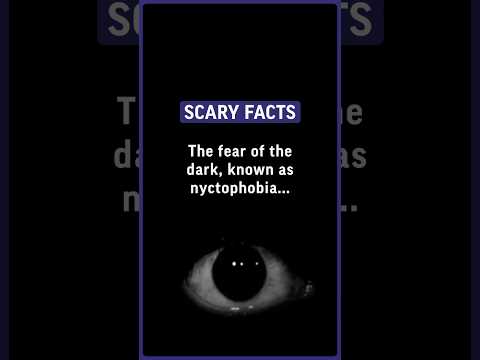
So, let’s talk about something that gets to a lot of us: the fear of the dark. You know, that moment when you’re about to turn off the lights and your heart just races?
Nyctophobia, as fancy-schmancy as it sounds, is basically just a really intense fear of the dark. A lot of people feel it, even if they don’t wanna admit it.
I mean, who hasn’t found themselves freaked out by shadows playing tricks on their minds? Seriously! That stuff can mess with you.
Sometimes, it feels like you’re six years old again, peeking under the bed to check for monsters. But it’s not just kids who deal with this. Grown-ups face it too.
So, let’s dig into what’s going on when darkness creeps in and how it affects our brains and emotions. It’s wild stuff!
Understanding Nyctophobia: Addressing Adult Fear of Darkness and Its Implications
Nyctophobia, or the fear of darkness, is something that a lot of adults deal with, even if they might not talk about it openly. It’s that uneasy feeling you get when the lights go out and everything goes quiet. Picture this: you’re at home, and suddenly there’s a power outage. Your heart races, and your mind starts wandering to all sorts of scary possibilities. That’s nyctophobia in action.
This fear isn’t just about being afraid of the dark itself; it often connects with deeper issues like anxiety and past experiences. Many people might have had traumatic encounters in dark places during childhood, which can leave lasting effects as they grow older. For instance, if someone was lost in a dark forest as a kid, that memory can stick with them.
- Physical Reactions: When you’re faced with darkness and feel fear kick in, it triggers your body’s fight-or-flight response. This can result in things like rapid heartbeat, sweating, or even feeling dizzy.
- Cognitive Implications: You may find yourself imagining threats lurking just beyond your sight—whether real or fabricated. Your brain fills in those gaps when visibility is low!
- Social Impact: If this fear becomes overwhelming, it can affect relationships too. Maybe you avoid going out at night or refuse to be alone when it gets dark.
- Coping Strategies: Addressing nyctophobia often involves gradual exposure to darkness. Like, maybe starting by dimming the lights slowly instead of going from bright to pitch black all at once.
Another interesting point is how cultural factors play a role in these fears. Different societies have various stories and beliefs associated with darkness—like monsters hiding under beds or ghosts that come alive at night—which can amplify fears for some people.
Anecdotally speaking, I once had a friend who couldn’t sleep without a nightlight on because he’d convince himself that something was watching him from his closet! He didn’t want to sound childish so he kept it hidden for years until he shared it one night over drinks. That sort of thing happens more than we think.
If someone is trying to tackle their nyctophobia, knowing that they aren’t alone can be comforting too! There are others who understand what it’s like, which helps normalize the conversation around these fears.
The bottom line? Nyctophobia is more than just being scared of the dark; it taps into our primal instincts and personal histories. Understanding its implications helps us confront our fears more effectively—and maybe even turn off that pesky light switch once in a while!
Understanding Nyctophobia: Correct Pronunciation and Key Insights
Nyctophobia, commonly known as the fear of the dark, can really mess with your head. Basically, it’s more than just a childhood fear; it can creep into adulthood and impact your daily life. You might be wondering how to pronounce it. It’s nick-toh-foh-bee-uh. Not too complicated, right? Just say it slowly and remember those syllables!
This fear isn’t just about the darkness itself; it’s tied to what we imagine lurking in the shadows. That’s where our minds can run wild, creating all sorts of “what if” scenarios that make us feel anxious or unsafe. Ever had that moment when you’re lying in bed and hear a creak? Your mind starts racing, doesn’t it?
Let’s break this down a bit more:
- Causes: Nyctophobia often stems from experiences in childhood—maybe you saw a scary movie or had a frightening experience at night. Sometimes, it can come from genetic factors or learned behaviors from family.
- Symptoms: This can include sweating, increased heart rate, and panic attacks when darkness falls. It’s not just feeling uncomfortable; it’s like your body goes into overdrive.
- Treatment Options: There are various ways to deal with nyctophobia. This includes therapy approaches like cognitive-behavioral therapy (CBT) that help modify the thoughts causing fear.
I remember this one time my friend told me she was afraid of walking home alone after dark. She’d hear every little noise—a rustle in the bushes made her heart race! Turns out, talking about her fears helped her see they were mostly in her head.
The thing is, confronting nyctophobia doesn’t mean you’ll be “cured” overnight. It’s a journey! Some people gradually expose themselves to darkness in safe ways—like dimming lights in their home before bedtime—and build up their comfort level over time.
If you’re dealing with nyctophobia or know someone who is, just know you’re not alone. Many face this challenge and find ways to cope with it effectively!
Understanding Nyctophobia: The Essential Test for Nighttime Fear Evaluation
Nyctophobia, also known as the fear of the dark, is one of those things many people have experienced at some point. Think about it—you’re a kid, maybe five or six years old, and suddenly shadows become monsters under your bed. You could swear you heard a noise in the closet. It’s like your imagination goes wild in the dark! For some folks, this fear sticks around into adulthood, making life a little tougher at night.
So, what’s really going on with nyctophobia? Well, this fear usually stems from a combination of factors. There’s often an element of anxiety involved—your mind might be racing with worries about what could happen when you can’t see. There might also be past experiences contributing to this fear. Maybe you watched a scary movie as a kid that just wouldn’t leave your brain. Or perhaps there were events that happened at night that left a mark.
Now, let’s get into some details about how nyctophobia is evaluated. It’s not just about saying “I’m scared of the dark.” There are tests and evaluations that professionals use to understand how deep this fear runs and how it affects your life.
- Self-Assessment Surveys: These can help you reflect on your feelings toward darkness. Questions might range from: «How often do you avoid dark places?» to «Do you feel anxious when the lights go out?»
- Cognitive Behavioral Assessment: This involves exploring thought patterns associated with fear. You might discuss situations where you feel scared at night and recognize any distortions in thinking.
- Behavioral Analysis: Evaluators may observe behaviors in low-light conditions to see how individuals react. Do you freeze up? Do you rush for the light switch?
Facing nyctophobia head-on can lead to understanding and even overcoming it! You know how sometimes when you face what scares you, it loses its power? That can really happen here too.
If you’re looking to overcome this fear but don’t know where to start, there are various approaches people take. Some opt for exposure therapy—that means gradually exposing yourself to darkness in safe environments until it feels less intimidating. Others find comfort in talking through their fears either with friends or professionals who understand.
Remember that while everyone has different experiences with fears, recognizing them is key. Sometimes just admitting you’re scared can be super powerful—as if by saying it out loud, you’re already taking steps toward confronting what haunts those nighttime hours.
To sum up, nyctophobia isn’t just being afraid of the dark; it’s an emotional journey for many of us—one filled with shadows both literally and metaphorically! Embracing understanding rather than avoidance is where change begins, turning horror into healing instead of letting those fears linger like shadows in the corner of your room.
Nyctophobia, or the fear of the dark, is something many of us have felt at some point in our lives. Maybe you remember being a kid, lying in bed, wide awake as you stared into the shadows of your room. The creaking sounds—was that just the house settling or something lurking? It’s like our imagination has a mind of its own when darkness falls.
I had a friend who absolutely dreaded nighttime. No joke! Even as an adult, she’d sleep with every light on in her apartment. One evening, we were watching a movie and the power went out. The unexpected darkness turned her into a bundle of nerves. She laughed it off at first, but I could see her heart racing as she fumbled for her phone to light up the room. It wasn’t just about being unable to see; it was this overwhelming feeling that something could be out there.
The thing is, fear of the dark often ties back to deeper feelings—like vulnerability and uncertainty. When we can’t see what’s around us, our minds can conjure up all sorts of scary scenarios. Think about it: during the day, even if things are tough or scary, they feel more manageable because there’s light to guide us.
Research shows that children often experience nyctophobia because their imaginations are super vivid. But what’s interesting is that even adults can struggle with this fear due to various life experiences—or even just stress piling up. The mind’s response to darkness isn’t always logical; it can tap into past traumas or insecurities.
Facing these fears doesn’t mean we have to jump straight into pitch-black rooms right away; it’s more about understanding them and finding ways to cope. You might start by simply dimming lights gradually instead of harshly turning them off. Or maybe keeping a comforting item nearby can help soothe those swirling anxieties when night rolls around.
There’s something kind of poetic about confronting these fears too—the idea that by facing what scares us most, we’re finding strength within ourselves. It reminds me that while darkness might hold unknowns, there’s also a safe space within ourselves where we can be brave—even if it’s just one small step at a time.
So yeah; maybe next time you find yourself lost in thought when the sun goes down or you hear those strange noises at night, take a moment to breathe and remind yourself—it’s okay to feel scared sometimes but also okay to step towards understanding that fear little by little.