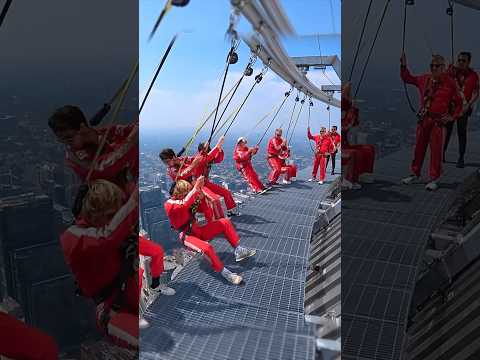
So, have you ever felt that stomach-drop moment when you’re up high? You know, like when you’re on a roller coaster or just looking over a balcony? Yeah, heights can be pretty freaky.
Acrophobia is a real thing, and it’s more common than you might think. A lot of folks struggle with it. It’s not just fear; it’s like an all-out panic attack waiting to happen.
When I was a kid, I climbed this tree in my backyard. Felt like I was on top of the world for about five seconds before my knees turned to jelly. I had to climb down fast!
So what gives? Why do heights freak us out so much? Let’s talk about that.
Conquering Heights: My Journey to Overcome Acrophobia
So, let’s talk about acrophobia, or the fear of heights. It’s one of those fears that can really hold you back from experiencing some amazing things. You know, like enjoying a beautiful view from a high cliff or even just climbing a ladder to change a lightbulb. Conquering this fear is not just about summoning courage; it’s about understanding yourself and taking practical steps.
First off, what is acrophobia? Basically, it’s an intense fear that goes beyond just feeling uneasy when you’re up high. For some people, it can trigger panic attacks or make their heart race like they just drank three cups of coffee. If you’ve ever felt your palms sweat or your head spin when looking down from a height, you get it.
When I was younger, I remember climbing up to the top of my school’s bleachers during a football game. I was excited at first. But once I reached the top and looked down? It was like my stomach dropped into another dimension! It felt so overwhelming that I froze for a moment. My friends were cheering below, but all I could think about was how far down it was and how much I wanted to be back on solid ground.
So how do you go about conquering this fear? Here are some ideas that might help:
- Start Small: Begin with lower heights where you feel somewhat comfortable. Maybe that’s standing on a chair or going up one flight of stairs.
- Practice Gradually: Step by step exposure is key. Once you’re ready for something higher, challenge yourself little by little.
- Breathing Techniques: Use deep breathing methods to calm your nerves when facing heights. Inhale slowly through your nose and exhale through your mouth; it really helps!
- Visualize Success: Picture yourself safely enjoying the view from above instead of focusing on what makes you anxious.
- Connect with Others: Talk to friends or family who don’t share this fear; their support can really boost your confidence.
Anyway, as you push through these smaller challenges, it’s essential to recognize even small victories along the way! That sense of achievement can be super motivating.
Like last summer, I decided to face my fears again by hiking up a local trail known for its breathtaking lookout point. At first, my stomach fluttered nervously as we climbed higher and higher—but something weird happened. As we reached each plateau along the way, I found myself feeling more at ease with each step! When we finally reached the top? Wow! The views were incredible—the whole valley stretched out below me like a painting!
Learning to confront acrophobia isn’t just an exercise in bravery; it’s about rewiring how we think about our fears and what they tell us about ourselves. It’s perfectly okay to feel scared—it doesn’t mean you’re weak or incapable.
So remember: Take your time if you’re dealing with acrophobia! Every little step counts on this journey towards conquering heights!
Understanding the Traumatic Roots of Acrophobia: What Causes Fear of Heights?
Acrophobia, or the intense fear of heights, is something many people experience. It goes beyond just feeling a little queasy at high altitudes—it can lead to panic attacks and avoidance behaviors. So, what actually causes this fear? Let’s break it down.
First off, **traumatic experiences** often plant the seeds of acrophobia. Imagine this: you’re a kid playing on a jungle gym, and you fall off. That sudden jolt of fear can stick with you for years. Even if you don’t remember the event vividly, it can create a lasting impression. Your brain might link heights with danger, making you anxious whenever you’re up high.
Another angle to consider is **genetics and biology**. Some folks are just wired differently when it comes to anxiety. If your parents had similar fears, there’s a chance you could inherit those tendencies too. Our brains are pretty good at picking up on what scares us from those around us.
Then there’s the role of **cognitive processes** in acrophobia. This means how we think about situations and how our mind interprets them. If you constantly think about falling or something bad happening when you’re high up, your body begins to react as if it’s under threat—your heart races and palms sweat even if there’s no actual danger.
Sometimes, it’s also tied to other **anxiety disorders** like generalized anxiety or panic disorder. If your mind is already in hyperdrive about other things in life, throwing heights into the mix can amplify that fear significantly.
A big factor too is **lack of exposure** to heights from an early age. For someone who rarely experiences being up high, it becomes scary because they don’t know what to expect. It’s like being thrown into the deep end of a pool without learning how to swim first!
So now let’s touch on some **symptoms** people might experience:
- Intense sweating
- Heart palpitations
- Dizziness or lightheadedness
- A strong urge to escape
- Nausea
Each person might react differently based on their own experiences and mental state.
In summary, understanding acrophobia isn’t just about recognizing that heights are scary; it dives deep into past experiences, genetic predispositions, cognitive patterns, and even anxiety levels in general. It connects personal history with how we perceive risk regarding height—so the next time someone mentions their struggle with this fear, remember: there’s often much more beneath the surface than meets the eye!
Understanding Acrophobia: Key Symptoms and How to Overcome Fear of Heights
When we talk about **acrophobia**, we’re diving into a pretty common fear—specifically, the fear of heights. This isn’t just a little unease; for many, it can be a full-on panic when facing tall buildings, cliffs, or even looking down from a high place.
Symptoms can really vary. You might experience:
- Anxiety: That tightening in your chest or feeling like you can’t breathe when you’re up high.
- Dizziness: A spinning sensation that makes you feel unsteady.
- Nausea: Sometimes just looking down from a height can trigger that queasy feeling.
- Panic Attacks: These could be intense; heart racing, sweating, and the urge to flee.
- Avoidance Behavior: You might start avoiding situations where you know heights are involved—like skipping out on hiking trips or even avoiding escalators!
It’s interesting to think about how this fear develops. Often, it stems from a past experience, like falling or witnessing someone else in danger up high. I remember hearing about this one guy who had an awful experience on a roller coaster as a kid. Ever since then? He won’t go near anything that goes above ground level—totally safe stuff he just avoids now.
So let’s get into the nitty-gritty of **overcoming acrophobia**. It’s possible, and many people have successfully tackled their fears with some effort and the right methods.
Cognitive Behavioral Therapy (CBT) is one of the most effective approaches out there. It helps you reframe your thoughts around heights and gradually exposes you to what scares you in a safe environment:
- Gradual Exposure: Start small! Maybe look at pictures of heights first before actually going up somewhere tall.
- Mindfulness Techniques: Breathing exercises can help ground you when those panic feelings kick in.
- Positive Reinforcement: Reward yourself after facing your fears—even if it’s just looking out a window on the 2nd floor!
Many people find comfort in sharing their experiences too—whether with friends who get it or support groups that understand what it feels like to fight that battle. Sharing your feelings can lighten that heavy load.
You know what? It takes time and patience to work through acrophobia but making those little steps? That’s where the magic happens! So if you’re grappling with these fears, know there are paths forward. Each step counts, no matter how small!
So, let’s talk about acrophobia, or the fear of heights. It’s pretty wild how something as simple as standing on a tall building or looking over a balcony can send people into full-on panic mode. I mean, for some, it’s just a slight unease, but for others? It’s an actual nightmare.
I remember this one time I was hiking with friends. Gorgeous day, beautiful views—like a postcard. But as we reached this viewpoint that overlooked a steep drop**,** my stomach dropped too! My buddy walked right up to the edge like it was no big deal while I just froze. Heart racing, palms sweating—it was like my brain had hit the emergency button. All those thoughts started swirling: What if I slipped? What if I fell? The ground felt miles away and my legs turned to jelly.
That moment made me think about how acrophobia isn’t just about being scared of heights; it’s more of an intense psychological battle. You might find yourself grappling with feelings that seem totally out of control, even when you know that you’re safe. Your mind goes into hyperdrive, focusing on all the worst-case scenarios.
So why does this happen? Well, our brains are wired to protect us from danger. Heights can feel risky because evolutionarily speaking, falling from high places is not cool—like, at all. But sometimes our brain takes it too far and jumps to conclusions that aren’t really there in that moment.
People often try to confront their fears through exposure—slowly getting used to heights in a controlled way—but that can be tough! Just walking to the edge of a low rooftop seems simple enough for some but can feel like an insurmountable wall for others.
You know what helps, though? Talking about these fears with others who get it can be super relieving. Many folks with acrophobia have similar experiences; they all share those intense feelings and moments of dread. Finding support and understanding can make the journey less lonely.
So yeah, confronting acrophobia is definitely not easy; it’s like climbing your own personal mountain emotionally! But recognizing those fears is the first step toward managing them—and maybe one day standing tall without feeling so shaky inside.