You know, alcohol is one of those things that can feel like a good time at first. You have a drink or two, and suddenly everything seems brighter, lighter.
But then, there’s that downside we don’t always think about. Like, how drinking can seriously mess with your mood later on.
Ever noticed how after a night out, you might wake up feeling kind of… gloomy? It’s not just you. A lot of folks experience this weird shift from high spirits to low vibes once the effects wear off.
So let’s chat about alcohol-induced depression. It’s more common than you might think, and understanding it could really help you or someone you care about deal with those emotional rollercoasters.
Understanding the Psychological Effects of Alcoholism: Impacts on Mental Health and Recovery
Alcoholism can be a tricky beast, right? It’s not just about drinking too much. It’s like this complex web that messes with your brain and emotions. To really get it, we need to dig into how alcohol affects mental health and why recovery can be such a bumpy ride.
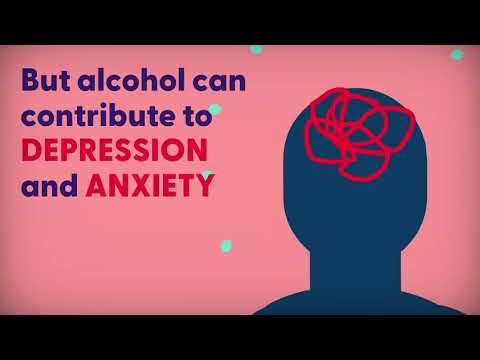
First off, let’s talk about alcohol-induced depression. It’s not just a buzzkill; it’s a serious issue. When you drink heavily, alcohol alters the balance of chemicals in your brain. These are things like serotonin and dopamine—stuff that helps regulate your mood. So when you’re downing drinks regularly, you might find yourself feeling low, anxious, or just plain empty.
Now, here’s the kicker: it can create this vicious cycle. You drink to escape feelings of sadness or anxiety but end up feeling worse afterward. It’s like running on a hamster wheel—you think you’re moving forward but actually going nowhere! That’s why many people who struggle with alcoholism also deal with depression. They might think it’s «just the alcohol,» but it’s way more complicated than that.
- Increased Anxiety: Drinking may seem like it eases stress at first, but long-term use increases anxiety levels.
- Cognitive Impairment: Heavy drinking can lead to memory issues and difficulty concentrating.
- Diminished Self-Esteem: Over time, the consequences of drinking can lead to feelings of shame and guilt.
You ever notice how someone who drinks heavily often has moments when they’re super outgoing? But the next day they’re reclusive or irritable? That flip-flopping mood is all part of the mental toll. It’s exhausting! You might feel happy while drinking but wake up and feel isolated or hopeless. Not cool!
The path to recovery isn’t straightforward either. Many people think quitting drinking will instantly fix everything. But if your brain’s been rewired by alcohol for years, things take time to adjust. That means you’ll likely still battle feelings of depression and anxiety even after you stop drinking.
An important piece here is support. Having friends or family who understand what you’re going through can make all the difference—not just during recovery but also in managing mental health afterward. Therapy plays a big role too; talking things out with someone trained can help unravel those tangled thoughts and emotions.
- Coping Strategies: Developing healthy ways to cope with stress instead of reaching for a drink is vital.
- Healthy Relationships: Rebuilding trust with loved ones creates a supportive environment for recovery.
Understanding the Duration of Alcohol-Induced Depression: Key Insights and Recovery Timelines
Alcohol can really mess with your mood, right? Like, after a good night of drinking, you might feel on top of the world. But then comes that crashing feeling—maybe even despair. That’s alcohol-induced depression, and it’s more common than you think.
So what does this actually mean? Well, when you drink alcohol, it affects your brain’s chemistry. Your neurotransmitters—those little messengers that help regulate mood—get thrown outta whack. You might feel euphoric while drinking, but as your body processes the alcohol, it can lead to feelings of sadness or anxiety. Seriously, it’s like a rollercoaster!
Now let’s talk about **duration**. How long does this depression stick around after bingeing? For some people, it can be short-lived—maybe just a day or two—but for others, it could last weeks or even longer, especially if they drink heavily over time.
When we’re looking at recovery timelines from alcohol-induced depression, several factors come into play:
- Frequency of Drinking: If you’re someone who drinks regularly or heavily over time, the symptoms can linger longer.
- Individual Differences: Everyone’s brain is wired differently! Some folks bounce back quickly; others need more time.
- Overall Mental Health: If you’ve struggled with anxiety or depression before, adding alcohol into the mix can prolong those feelings.
Now here’s something interesting: if you cut back on drinking or stop altogether, many people experience improvements in their mood within a few days to weeks. That’s your body starting to heal! It’s like giving your brain a break from all that chaos.
But recovery isn’t just about stopping drinking; it often involves addressing the emotional and psychological issues that might surface when booze isn’t there anymore. Think about it: for some folks, drinking has been a way to cope with stress or trauma. When that coping mechanism goes away, all those feelings might bubble up to the surface.
It brings us back to why understanding this cycle is essential. If you’re noticing you’re feeling down after drinking—and not just occasionally—you might wanna take stock and see how alcohol fits into your life.
Lastly, don’t forget self-care! Simple things like getting enough sleep and exercise can make a huge difference in how you’re feeling emotionally after alcohol use.
So remember: alcohol-induced depression isn’t just a fun term; it’s real stuff that affects real people in profound ways. Whether you’re struggling yourself or know someone who is—it helps to talk about it and understand what’s going on under all those feelings!
Exploring the Link Between Moderate Alcohol Consumption and Depression: What You Need to Know
Is there really a link between moderate alcohol consumption and depression? Well, this is a topic that has been kicked around a lot in recent years. When we think about alcohol, it’s often associated with fun social gatherings or just unwinding after a long day. But the reality is a bit more complex.
Moderate drinking is usually defined as up to one drink per day for women and up to two drinks for men. So, it’s not like we’re talking about binge-drinking here. Yet, even at this level, some research suggests that alcohol can affect your mood in ways you might not expect.
Let’s consider how alcohol impacts your brain. When you drink, it affects neurotransmitters—these are brain chemicals that influence how we feel. For example, it can increase levels of serotonin initially, which might give you that relaxed feeling. But as the buzz wears off, there’s often a drop in serotonin which can lead to feelings of sadness or anxiety.
Sometimes people think they’re drinking to cope with stress or low mood. That’s totally understandable! But here’s the kicker: regular moderate consumption can actually lead to increased feelings of depression over time. It’s almost like a double-edged sword; you’re using alcohol to feel better but then it ends up making things worse.
Another thing worth noting is the social aspect of drinking. You might be hanging out with friends, enjoying some drinks and laughter. But if that becomes a routine escape from dealing with life’s challenges, it could deepen feelings of isolation or added pressure when you’re not drinking. Plus, let’s face it—alcohol can sometimes lead to poor decision-making and regrettable choices that may contribute to negative emotions later on.
So what are the key points?
- Impact on neurotransmitters: Alcohol disrupts brain chemistry linked to mood.
- Coping mechanism: People may drink thinking it helps but could end up feeling worse.
- The social scene: Drinking may appear fun but could create emotional isolation.
And hey, anecdote time! A friend of mine used to enjoy a couple of beers every Friday night to chill out after work. At first, she felt great and relaxed but soon noticed that come Monday morning, she’d feel inexplicably down—like she was starting the week already exhausted emotionally. After realizing this cycle wasn’t serving her well, she decided to cut back on her drinking and explore healthier ways for managing her stress.
The bottom line? Moderate alcohol consumption has its risks when linked to depression. Understanding these connections isn’t about demonizing social drinking entirely; it’s about being aware of how some habits might unexpectedly influence your mental health over time. So next time you pour yourself that glass of wine after work or head out with friends for drinks, just keep these thoughts in mind!
So, let me tell you, alcohol and our mental health are like this complicated dance that can get pretty messy. You might think a drink or two will help take the edge off after a tough day—totally relatable, right? But the thing is, alcohol isn’t just a casual party guest; it can really mess with your mood.
I remember a friend of mine who used to reach for a bottle whenever he felt down. At first, it seemed harmless. We’d hang out, laugh, and everything felt lighter. But soon enough, I noticed he started feeling even worse afterward. The more he drank, the darker those post-drink blues got. It was like his emotions had this delayed reaction that came crashing down after the night’s fun faded away.
Here’s where it gets interesting: alcohol is a depressant. So sure, it might give you that short-lived sense of relief or happiness while you’re sipping away; but as soon as its effects wear off? Boom! You’re back to feeling low—sometimes even lower than before you started drinking. It’s like that temporary escape becomes this doorway to deeper emotional struggles.
And why does this happen? Well, when we drink too much over time, it can throw our brain chemistry all out of whack. There’s this delicate balance in your brain with neurotransmitters (think of them as communication messengers between brain cells), and alcohol can interfere with these little guys in not-so-fun ways. You end up producing less serotonin—the feel-good chemical—and that’s where those feelings of sadness or hopelessness come in strong.
On top of that, there’s also the social aspect at play. Ever noticed how your relationships might get a bit fuzzy with all that boozing? You may find yourself withdrawing from friends or feeling anxious in situations where you once felt confident. It’s like the very thing people often use to connect ends up pushing them away instead.
So what do you do? Just recognizing this cycle can be super powerful. If you notice you’re drinking more than usual and spiraling into those darker emotions afterward, maybe it’s worth having a chat with someone about it—be it friends or professionals who understand what you’re going through.
Ultimately though, understanding how alcohol affects your mood isn’t just about avoiding drinks altogether; it’s about getting to know yourself better and finding healthier ways to cope when life gets heavy. Because everyone deserves those moments of real joy without the looming shadow of depression creeping in behind them!