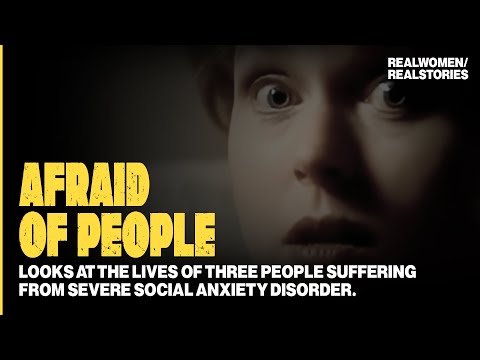
You know that feeling when you just freeze up at the thought of something? Like, your heart races and your palms get all sweaty? That’s fear for ya. One of the sneakiest fears out there is algophobia—the fear of pain. Sounds wild, right?
But here’s the thing: it can seriously mess with how you live your life. Imagine avoiding a dentist because you’re dreading that tiny pinch from the needle. Or skipping a fun park ride because you’re worried about getting hurt.
So, confronting this fear is huge! We’re gonna talk about what it is, why it happens, and how to handle it without losing your cool. Let’s dig in and explore this together!
Effective Strategies to Overcome Algophobia: A Comprehensive Guide
Algophobia, the fear of pain, can be a real challenge for many people. It’s not just about physical discomfort; it’s often tied to emotional experiences too. When you think about it, pain can feel overwhelming and unpredictable, and that’s where the fear often comes from. So, how do you tackle this fear without feeling like you’re climbing Mount Everest? Let’s explore some strategies together.
Understanding the Fear is the first step. You know how sometimes we’re scared of what we don’t understand? That’s basically what happens with algophobia. Take a moment to really think about what pain means to you and why it scares you so much. Maybe it’s tied to a bad experience in the past or even just hearing stories from others that made your heart race.
Mindfulness and Relaxation Techniques are great tools. Seriously! Techniques like deep breathing or meditation help calm your mind and reduce anxiety when thinking about pain. For instance, if you find yourself getting anxious about a potential medical procedure or even just a headache, taking a few slow breaths could seriously ease that panic before it gets out of hand.
- Progressive Muscle Relaxation: This is where you tense and then relax different muscle groups in your body to release tension and stress.
- Meditation: Even five minutes of focusing on your breathing can make a difference!
Cognitive Behavioral Therapy (CBT), man, this approach has shown some serious results for various fears. It helps you change negative thought patterns related to pain into more positive ones. For example, instead of thinking «I can’t handle this pain,» you might flip that around to «I’ve managed discomfort before; I can do it again.» It’s all about reprogramming those thoughts in your head!
Facing Your Fears Gradually could be super helpful too. This is called exposure therapy—sounds intense, right? You start small and expose yourself little by little to things that scare you about pain. Maybe start by watching videos of minor procedures or talking with friends who’ve had similar experiences before diving into anything too intense.
- Journaling: Write down your fears related to pain and what triggers them.
- Role-Playing: Act out scenarios where you might face pain with someone you trust.
Simplifying Pain Education can also ease fears surrounding algophobia. Sometimes knowledge is power! Learning about the types of pain—like understanding that some discomfort will fade or learning how certain treatments work—can make things feel less scary. Plus, being informed empowers you when dealing with medical professionals.
No matter which strategy feels right for you, remember: reaching out for support matters too! Whether it’s talking with loved ones or seeking help from professionals who understand algophobia better than anyone else—don’t hesitate! Sharing your feelings and experiences can really lighten the emotional load.
The journey toward overcoming algophobia isn’t necessarily easy, but with these strategies at hand, you’re not walking alone anymore. Taking small steps every day fosters growth—so keep going! Every effort counts towards feeling more in control over your fear of pain!
Understanding the Three Types of Fear Psychology: Insights and Applications
Fear is a totally normal part of being human. But when it comes to psychology, there are some interesting layers to it. Basically, fear can be split into three types: basic fear, learned fear, and vicarious fear. Each of these plays a unique role in how we experience and react to the universe around us.
Basic fear is like your body’s alarm system. You know that jumpy feeling you get when you see a snake? That’s your instinct kicking in, alerting you to potential danger. This type of fear is hardwired into our brains for survival. It’s about things like heights, darkness, or anything that might harm you physically. It’s nature’s way of keeping us safe! Imagine your friend who can’t stand heights; their basic fear kicks in when they look over the edge. That’s just their primal brain at work.
The second type, learned fear, comes from experiences—good or bad—that shape our perceptions. Maybe you got stung by a bee as a kid and now you freak out whenever one buzzes around. That’s learned fear! It sticks with you because of an emotional event linked to it. Sometimes these fears are pretty irrational too; think about someone who is scared of dogs because they once saw one bark aggressively in a movie—even if they’ve never had a bad experience with a dog personally.
Now for vicarious fear. This one is particularly interesting because it doesn’t even have to happen to you! It’s basically picking up on fears from others—like parents or friends. If your mom was terrified of spiders and always freaked out when one was nearby, chances are you might have developed that same anxiety without ever really encountering a spider yourself. Our social connections can amplify fears big time!
If we talk specifically about algophobia—the fear of sharks—we can see how these three types come into play. For many people, the basic fear might revolve around the idea that sharks pose danger in deep waters. But then there’s also learning from movies like «Jaws,» which exaggerates this threat and people end up avoiding oceans altogether due to this learned perception.
You might also notice how vicarious experiences affect someone’s view on sharks too! If they grew up hearing horror stories from family members about shark attacks or even seeing videos online that show them attacking humans, well, their reaction makes complete sense given what they’ve absorbed from others!
So there we have it—three types of fears that mingle together like an intricate dance in your mind! Understanding them not only helps clarify why we feel certain ways but also opens up paths for addressing those feelings down the line without running away from them.
The next time you’re feeling anxious or scared about something, try breaking it down into these categories; it might just give you some insight!
Understanding the Concept of Confronting Your Fears: A Legal Perspective
Confronting your fears is a pretty heavy topic. Especially when you look at it through both a psychological lens and, like, a legal one. It gets tricky, you know? So, let’s break it down in a simple way.
First off, fear itself is totally normal. We all have them. It’s part of being human. But when we talk about something like **algophobia**, which is the fear of pain, it can really take over your life if you let it. This kind of fear often leads people to avoid situations that might cause discomfort or hurt—things like going to the doctor or even trying new activities.
Now, legally speaking, confronting your fears—or not—can actually have some implications. For example:
- Informed Consent: If you’re avoiding medical treatments because of algophobia, that could affect your ability to give informed consent for procedures.
- Disability Claims: Fear can impact whether someone can work or perform daily tasks. If algophobia gets severe enough, it might qualify for certain disability claims.
- Insurance Coverage: Some insurance policies might not cover therapies aimed at treating specific phobias unless there’s clear evidence that confrontation is necessary.
So here’s the thing: facing fears isn’t just about being brave; it’s also about making choices that impact your life legally and health-wise.
Think about someone with algophobia who avoids doctors because they’re scared of needles or potential pain. They might miss out on important treatments simply because their fear holds them back. And legally? That could lead to complications later on if they need medical care urgently!
On the flip side, confronting those fears doesn’t mean throwing yourself into a scary situation without preparation. It’s more about taking small steps toward what frightens you while considering your rights and options too!
This whole process can definitely stir up feelings—a mix of anxiety, relief, and sometimes regret if things don’t go as planned during that confrontation process.
In short, understanding both the psychological aspects of confronting fears and the legal implications helps create a fuller picture. It’s not just about facing what scares you; it’s also about navigating your rights and responsibilities in doing so!
So, let’s chat about something that might sound a little out there, but it’s pretty relevant—algophobia, or the fear of pain. It’s amazing how our minds can conjure up these intense fears that can often feel bigger than life itself. Like, have you ever been in a situation where just the thought of experiencing discomfort makes your heart race? Yeah, that’s algophobia doing its thing.
Picture this: You’re at the dentist, right? Maybe you’ve got a little cavity or something. As you sit in that chair, your palms get sweaty just thinking about the drill. The idea of pain sends your mind spiraling into all kinds of what-if scenarios. What if it hurts more than last time? What if they can’t numb it properly? Suddenly, you’re not just afraid of the procedure; you’re anticipating the worst-case scenario. Your body tenses up like you’re bracing for an avalanche.
Now, let’s break down what this fear really is. Psychologically, algophobia is rooted in past experiences or learned behaviors. If you’ve had a bad experience with pain before—like a fall or even a medical procedure that didn’t go as planned—that memory can stick. It’s like your brain has this little alarm system that goes off whenever pain is mentioned. This protective mechanism is meant to keep you safe but sometimes it gets overactive, leading to excessive worry and anxiety.
The thing is, confronting algophobia isn’t just about facing physical pain; it’s also about dealing with those mental hurdles we set up for ourselves. When fear takes hold, it makes us avoid situations that could help us—like going to the doctor when we really need to because we’re terrified of what they might say or do.
It’s all too common to hear someone say they’d rather suffer through discomfort than face their fears head-on. But avoiding situations usually leads to more anxiety in the future because it reinforces that fearful mindset: I can’t handle this; I need to run away!
So what do we do? Spreading awareness about this fear helps normalize it and lets people know they aren’t alone in their struggle. Talking about fears openly with friends can work wonders; sometimes sharing what you’re feeling takes away some of its power.
And while everyday conversations might help chip away at the fear, tackling algophobia really requires some deeper reflection on why we’re so afraid in the first place. Maybe seeking support from those who understand the emotional weight behind pain could be beneficial too—like talking things out with professionals who specialize in this area.
At its core, confronting algophobia is about reclaiming control over our lives from fears that don’t serve us anymore. It’s not easy by any means—it takes courage and vulnerability—but moving past these fears can open up so many opportunities for growth and healing.
So next time anxiety creeps in regarding pain—whatever form it comes in—remember: You’re not alone on this journey! A lot of people are navigating similar paths; maybe together we can find ways to face these fears instead of letting them hold us back from living fully.