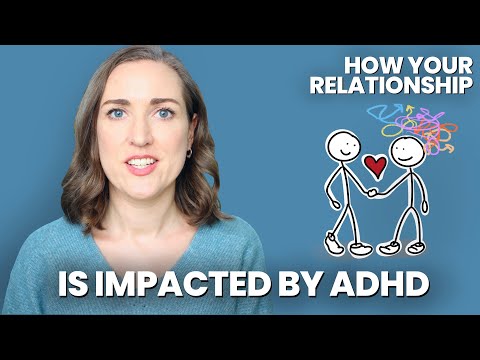
You know how some days you feel all lovey-dovey, and other days, you just want to hide under the covers? Yeah, it’s complicated.
That’s kind of what ambivalent attachment is all about. It’s like riding an emotional rollercoaster where one minute you’re craving closeness, and the next, you’re pushing people away.
Sounds familiar? You’re not alone! Many folks grapple with this tricky dance in their relationships. It’s confusing and can leave you feeling a bit lost at times.
So, let’s chat about it—what it means, why it happens, and how to make sense of those mixed signals we send and receive in love. Trust me; it’s more relatable than you think!
Understanding Avoidant Ambivalent Attachment: Impacts on Relationships and Personal Growth
When we talk about avoidant ambivalent attachment, it helps to visualize how these attachment styles shape our relationships. Basically, this attachment style is a mashup of two different approaches: the avoidant folks, who tend to keep a distance emotionally, and the ambivalent ones, who often cling too tightly. This combination can make relationships pretty complicated.
You know how some people are all in at first but then back off when things get serious? That’s part of the ambivalent side. They might crave closeness but fear it at the same time. It’s like being on a rollercoaster—you want to ride with someone, but you’re not sure if you’ll scream or enjoy it.
So, what does this really mean for relationships? Well, people with this attachment style often struggle with trust and commitment. They may push partners away while also needing them close, which can create a lot of confusion and frustration on both sides. Imagine a partner who starts to feel distant when you get too close; that’s classic avoidant ambivalent behavior coming into play.
- Emotional Push-Pull: People might feel like they need space one moment and then feel abandoned the next.
- Low Self-Esteem: Often, there’s an underlying sense of not being good enough or fear of rejection.
- Lack of Communication: Expressing feelings can be really tough for them. They might bottle things up instead.
This “push-pull” dynamic doesn’t just impact romantic relationships; it plays out in friendships and family bonds too. You may see someone wanting affection but backing off when they feel too vulnerable. It can lead to misunderstandings where friends or partners don’t know what’s going on.
Personal growth is another tricky area for folks with avoidant ambivalent attachment. If you don’t confront these patterns, they can keep popping up over and over again. Growth often means facing those fears head-on—like working through discomfort instead of running away from it.
But change is possible! You can learn healthier ways to connect with others by recognizing these patterns in yourself and your relationships. For example:
- Acknowledge Your Feelings: Start paying attention to what you’re actually feeling instead of pushing it aside.
- Communicate Openly: Share your thoughts with partners or friends rather than bottling them up.
- Seek Support: Sometimes talking to someone else can help make sense of these feelings.
In short, understanding avoidant ambivalent attachment takes time and self-reflection. It’s about recognizing how past experiences shape your current relationships and working toward building connections that feel more stable and fulfilling. With patience and effort, personal growth can happen—even amidst all those emotional ups and downs!
Understanding Ambivalent Attachment: Key Characteristics and Implications
Ambivalent attachment is one of those tricky relationship styles that can show up when we’re trying to connect with others. If you think about it, it’s like riding a rollercoaster of emotions. One minute, you might feel super close to someone, but the next, you’re wondering if they really care about you. It’s confusing for both you and the people around you!
So what exactly are the key characteristics of ambivalent attachment? Let me break it down a bit:
- Clinginess: Those with ambivalent attachment often find themselves getting anxious when they’re away from their partner. It’s like you’re constantly needing reassurance that everything’s okay.
- Sensitivity to partner’s moods: You might notice that changes in your partner’s mood can really hit hard. If they seem off or distant, your inner alarm goes off, leading to anxiety.
- Fear of abandonment: There’s this underlying worry that people will leave or not be there when needed. It’s like walking on eggshells in relationships sometimes.
- Pushing and pulling: You might find yourself alternating between wanting closeness and then feeling overwhelmed by it; this “hot-and-cold” behavior can be exhausting.
Think back to a time when maybe a friend didn’t text back right away. Did your mind spiral into thoughts of «Did I do something wrong?» or «Are they mad at me?» That’s a classic example! The emotional pendulum swings between seeking closeness and fearing rejection.
Now, why does this attachment style develop? Well, it often traces back to inconsistent caregiving during childhood. Imagine a parent who sometimes responds warmly and other times may seem distant or distracted. This unpredictability creates a sense of insecurity in the child—leading them to become adults who crave affection yet struggle with trusting others.
When navigating relationships as someone with ambivalent attachment—or even if your partner exhibits this style—it’s crucial to recognize its implications on your interactions:
- Communication hiccups: Misunderstandings can pop up easily because both partners may misinterpret emotional cues or become defensive.
- The desire for intimacy: While there’s an urge for closeness, the fear of vulnerability can make actual intimacy feel risky.
- The need for reassurance: Frequent check-ins with each other about feelings may help ease tensions but can also lead to feelings of annoyance on both sides if overdone.
Here’s where it gets real: self-awareness and open conversations with partners are vital! Recognizing these patterns allows for more honest discussions about needs and fears. You gain insight into why certain behaviors happen—so instead of spiraling into anxiety during tough moments, you can approach things more calmly.
To sum it all up, ambivalent attachment is complex but totally understandable! By acknowledging its traits and implications in relationships, both partners can work together towards building trust and security while navigating those emotional waves together. Remember: communication is key!
Understanding Ambivalent Attachment in Adults: Impacts on Relationships and Personal Development
Understanding ambivalent attachment in adults can be a bit of a rollercoaster ride, seriously! It’s like you’re stuck between wanting closeness and fearing abandonment. This kind of attachment usually stems from how we experienced relationships during our childhood, especially with our caregivers. It’s super important because it influences how we connect with people later in life.
What is Ambivalent Attachment?
So, let’s break this down, shall we? Ambivalent attachment—also known as anxious attachment—is when someone feels a strong desire for intimacy but also a lot of anxiety about whether their partner will be there for them. Imagine being like a cat that both craves attention yet runs away when you get too close. You want love but sometimes push it away because you’re scared it’ll disappear.
The Childhood Roots
Most often, this kind of attachment develops from inconsistent caregiving. Maybe your parents were warm and loving one moment and cold or distant the next. You learn that love is unpredictable, which makes it really hard to feel secure in relationships as an adult.
How It Plays Out in Adult Relationships
Alright, here’s where it gets tricky. Let’s say you’re dating someone amazing. Everything seems fine at first, but then you start worrying if they really care about you or if they might leave. This anxiety can lead to behaviors like seeking constant reassurance or even creating drama just to gauge their feelings. It’s stressful!
Here are some common signs of ambivalent attachment in adult relationships:
- Clinginess: You might find yourself needing more affection or communication than your partner is comfortable giving.
- Jealousy: Feeling possessive or insecure if your partner spends time with friends or doesn’t check their phone around you.
- Pushing Away: Sometimes, you might sabotage the relationship because deep down, you’re afraid of getting hurt.
- Nagging Doubts: Constantly second-guessing your partner’s feelings or intentions.
It can create a vicious cycle where your worries push people away, making those fears feel all the more justified.
The Impact on Personal Development
Now let’s talk about personal development. Having an ambivalent attachment style can make it hard to build confidence and trust—not just in others but also in yourself! You might struggle with feelings of worthiness and often look for validation outside yourself.
This isn’t just limited to romantic relationships; friendships and work dynamics can also get tangled up in the mix. You may find yourself feeling inadequate at work or struggling to maintain healthy friendships because you’re always waiting for the other shoe to drop.
Steps Toward Growth
Here’s something optimistic: understanding your own attachment style is the first step towards healing! Being aware helps you recognize patterns that aren’t serving you well.
Consider these points for personal growth:
- Acknowledge Your Feelings: It’s okay to feel insecure; recognizing it is crucial.
- Simplify Communicating: Practicing open conversations with partners about needs and fears can create stability.
- Therapy: Working with a professional can provide insights into overcoming old patterns.
- Pursue Self-Worth: Building self-esteem through hobbies or skills that fulfill you will increase independence.
All this takes time—seriously! Be patient with yourself as you navigate these complex waters. Your past doesn’t dictate your future; understanding where you’ve come from can help shape who you’ll become! So embrace the journey; you’re worth it!
Ah, ambivalent attachment. It’s a tricky thing, isn’t it? You know, the kind where you’re all in one moment, but then suddenly feeling insecure or anxious the next. It reminds me of a friend I had back in college. She was sweet and fun but would go from being super clingy to pulling away for days over the smallest things. At first, I thought it was just her quirky personality. But over time, I realized it had more to do with how she formed bonds.
So what’s going on here? Ambivalent attachment usually stems from inconsistent caregiving in childhood. Maybe you had a parent who was there most of the time but would also disappear emotionally or physically at crucial moments. This can set up a whole emotional rollercoaster in adult relationships where you crave closeness yet fear abandonment.
You might find yourself constantly seeking reassurance from your partner while also pushing them away because deep down, you’re worried they won’t stick around. That creates this see-saw effect—one minute you’re feeling loved and cherished, and the next you’re questioning if they really care about you at all. It’s exhausting!
And here’s where it gets even more complex: your partner can easily get mixed signals too. They might feel like they’re doing everything right one day and then suddenly be left wondering what went wrong when you pull back or become distant.
But here’s the thing: recognizing this pattern is like turning on a light switch in a dark room. Once you see what’s happening, even if it’s not easy to change it right away, at least you can start understanding yourself better. You can talk about your feelings openly with your partner—or try to! Communication is key; explaining that sometimes your swings come not from them but from those old patterns can make a huge difference.
Anyway, navigating ambivalent attachment isn’t going to be smooth sailing all the time—there will be bumps along the way—but acknowledging it can lead to deeper connections and more understanding relationships. Just remember that those ups and downs don’t define who you are; they’re just part of figuring out how to love and be loved without losing yourself along the way.