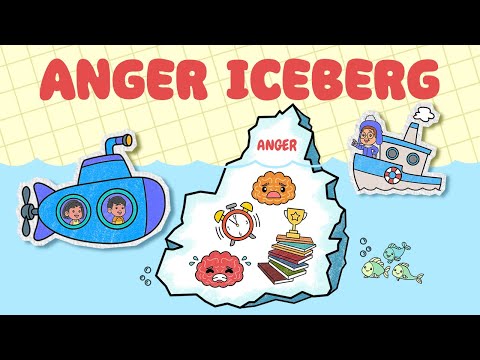
You know that feeling when you’re mad, but you can’t really put your finger on why? Like, something little sets you off, but it feels like there’s a lot more bubbling under the surface? That’s the anger iceberg for you.
Everyone talks about anger like it’s this big, scary monster. But here’s the thing: it often hides a whole ocean of emotions underneath. You might be surprised to find out what else is lurking down there.
So, let’s chat about this whole “anger iceberg” idea and dig into what’s really going on when anger pops up like an unexpected guest at a party. Seriously, it’s way more interesting than just being mad!
Understanding the 4 C’s of Anger: Key Concepts for Effective Emotion Management
Anger is one of those emotions we all feel, but it can get pretty complicated. You may have heard of the **anger iceberg** concept, right? Well, there’s also this idea called the **4 C’s of anger** that’s super helpful for understanding and managing it. So let’s break it down in a simple way.
1. Context
The first thing to think about is **context**. This means you gotta consider the situation that triggered your anger. Like, were you stuck in traffic after a long day? Or did someone say something rude at a party? Basically, understanding the setting helps you get why you’re feeling what you feel. It’s like peeling an onion; there are layers to uncover!
2. Cause
Next up is the **cause** of your anger. What’s really going on beneath the surface? Maybe you’re angry because someone didn’t respect your boundaries or maybe it stems from stress at work. You see, figuring out the root cause can help you address the real issue instead of just reacting to what’s happening on the outside.
3. Consequences
Then there’s the **consequences** of your anger—what happens when it bubbles up? Sometimes we might snap at someone or say things we don’t mean. This can strain relationships or make situations worse! Understanding how your anger affects others (and yourself) is key to managing it better.
4. Communication
Finally, let’s chat about **communication**. How do you express your anger? Do you bottle it up until you explode, or do you talk calmly about what’s bothering you? Being aware of how you communicate can make a huge difference in resolving conflicts and keeping things cool.
So here’s an example to tie all this together: Imagine you’re having a rough day at work and come home ready to unwind. Your partner asks why you’re late with dinner prep and BAM! You snap at them over something small like dirty dishes left in the sink! If we go through our 4 C’s here:
– **Context**: You had a hard day.
– **Cause**: Your frustration built up.
– **Consequences**: You hurt your partner’s feelings.
– **Communication**: Instead of expressing frustration calmly, you lashed out.
If you’d thought through these points first, maybe you’d have taken a deep breath before responding.
Understanding these 4 C’s not only helps manage anger but also encourages healthier relationships and better emotional well-being overall. Getting to grips with them means less acting out and more effective communication—definitely worth considering!
Understanding the Anger Iceberg: Exploring Hidden Emotions in Psychology
Sure! Let’s talk about the idea of the «anger iceberg.» So, when you think about anger, it’s easy to just see the tip of that iceberg—like someone yelling or throwing things. But wait a second. That tip is just a small part of what’s really going on beneath the surface.
What is the Anger Iceberg?
The anger iceberg concept suggests that beneath an angry outburst are hidden feelings and emotions. Just like an iceberg, most of what’s going on is unseen; we only notice the part that’s above water. This can include feelings like sadness, frustration, or even fear.
When you trip over something and shout out in anger, it’s not just about the stubbed toe. There might be deeper feelings at play. Maybe you’re stressed from work or feeling like no one listens to you. You follow me? Anger often covers up those more vulnerable emotions.
Common Hidden Emotions Underneath Anger
There are a few common emotions that often lie beneath anger. Some key ones include:
- Fear: You might feel afraid of losing control or being hurt.
- Sadness: Sometimes we get angry when we feel let down.
- Frustration: This can bubble up when things don’t go your way.
- Anxiety: Worrying about future events can manifest as anger.
- Tiredness: Feeling exhausted can lead to short tempers.
Imagine this: You’re waiting for your friend who’s late, and when they finally show up, you snap at them for being tardy. What’s really happening? Underneath that anger might be a mix of worry that something bad happened to them and frustration because your time feels disrespected.
The Cycle of Anger
Anger doesn’t just pop up randomly—it usually follows a cycle: trigger, reaction, and then more emotions come out later. When something triggers your anger—like someone interrupting you—you react emotionally in that moment.
But after cooling down, you might realize, “Wow, I was really worried about my ideas not being valued.” Instead of dealing with those deeper feelings at first, your brain went straight to “I’m angry!” It’s a protective mechanism; we tend to express anger instead of diving into difficult emotions.
Coping with Hidden Emotions
Understanding this iceberg theory can actually help us deal with our emotions better! Here are some ways to cope:
- Acknowledge Your Feelings: Instead of pushing away those hidden emotions, try recognizing them.
- Talk It Out: Find someone you trust and share both your anger and what lies beneath it.
- Breathe and Reflect: Take deep breaths when you feel angry—this gives your brain time to identify other feelings.
- Create Art: Sometimes expressing through art can help reveal underlying emotions without having to talk directly about them.
Imagine sitting quietly after an argument with someone close to you—a few minutes later, it hits: “I was really just scared they’d leave me.” Getting in touch with these hidden emotions allows for better communication next time around.
In summary (not like I’m wrapping things up… but here goes), recognizing that anger is often just the tip helps us understand ourselves better. If we dig deep as if we’re exploring underwater caves in our emotional oceans (okay maybe that metaphor went too far), we’ll discover so much more than just rage waiting for us there!
Understanding the Anger Iceberg: A Comprehensive PDF Guide to Managing Emotions and Conflict Resolution
Understanding anger can be like looking at an iceberg. You know, the part above water is just a small piece of what’s really going on underneath. That’s the whole idea behind what people call the «Anger Iceberg«. So, let’s break it down a bit.
When you see someone getting mad, you often think that’s all there is to it. But, like an iceberg, there’s much more hidden beneath that surface. What we actually see as anger is usually fueled by other emotions and experiences like frustration, fear, or hurt. Basically, anger is just the tip of the iceberg; it might seem intense and aggressive but look below, and you’ll discover layers of vulnerability.
Think about a time when you felt really angry. Maybe you snapped at a friend over something small. Upon reflection, you realize it wasn’t just about that little incident. Maybe you were stressed from work or feeling neglected in your friendships. Those feelings played a huge role in triggering that outburst of anger. Pretty relatable, right?
So how do we manage this kind of emotional complexity? First off, recognizing that your anger might have deeper roots can change how you approach conflicts. Instead of reacting immediately with anger, take a step back to assess what else might be going on down there under the surface.
Here are some ways to start addressing those deeper emotions:
- Self-reflection: Ask yourself questions like “What am I really feeling?” or “Why did this situation trigger me?”
- Journaling: Writing down your feelings can help sort through them and identify patterns.
- Meditation: Mindfulness practices can create space between your emotional reactions and responses.
- Talking it out: Discussing your feelings with someone supportive can shed light on underlying issues.
Now, when it comes to conflict resolution, understanding the anger iceberg really helps in navigating tough conversations. If both sides recognize that there might be more than meets the eye, communication becomes easier. Instead of pointing fingers or getting defensive—because let’s be real; nobody likes confrontation—you can aim for empathy.
Consider two friends having a disagreement over plans—one wants to go out while the other prefers staying in. The one who wants to stay home might seem angry about everything but could actually feel anxious about social situations or simply need some personal space for self-care reasons.
So yeah! Next time you’re faced with escalating tension or conflict; remember: there’s usually more than what appears on top! By diving beneath the surface and understanding those underlying emotions—whether they’re from yourself or others—you create healthier interactions and manage conflicts better. It’s all about exploring what’s lurking deep down instead of just reacting impulsively!
So, let’s talk about anger for a sec. When you think of anger, what pops into your mind? Maybe it’s someone yelling, slamming a door, or just that simmering tension in the air. But hold on—anger is like an iceberg. You know, the kind of thing where 90% of it is hidden beneath the surface? Yeah, it’s a lot more complex than just rage.
Picture this: you’re at a coffee shop waiting for your latte. The barista messes up your order, and boom! You feel this wave of anger washing over you. But if you dig a little deeper—like really think about it—you might realize that it’s not just about the coffee. Maybe you had a rough morning, or you’re stressed about work deadlines. That little screw-up might actually be the tipping point for all that built-up frustration.
What happens is we often express our anger without understanding where it’s coming from. There’s this whole world of feelings and experiences underneath; sadness, fear, disappointment—the list goes on! And when we only focus on the anger itself? We miss all those important emotions lurking below.
Let me share something personal. A while back, I found myself snapping at a friend over something trivial—like they borrowed my favorite sweater without asking. Sounds ridiculous, right? But looking back, I realized I was stressed from work and feeling ignored in other areas of my life. It wasn’t really about the sweater at all! That realization hit hard; it helped me understand my own reactions better.
So here’s the thing: understanding this “anger iceberg” means acknowledging all those deeper feelings that often get drowned out by the loudness of anger itself. It’s not easy to peel back those layers! But taking the time to reflect honestly can help you respond more thoughtfully instead of reacting impulsively.
Next time you’re feeling angry or frustrated, maybe ask yourself what else is going on beneath that surface layer? Sure, we all get angry now and then—that’s normal—but figuring out what’s really behind it can open up some pretty insightful conversations with ourselves and others too. So go ahead; take a closer look at what drives your feelings—there’s way more to discover than you’d expect!