Anger. We all feel it, right? It bubbles up sometimes, and suddenly you’re yelling at your computer or giving someone the silent treatment. It’s frustrating!
But have you ever stopped to wonder where all that anger comes from? Seriously, like what’s really behind it? There’s a lot more to it than just feeling ticked off.
Sometimes it’s about old stuff we haven’t dealt with. Other times, it’s just life’s little annoyances piling up. You know how it goes.
Let’s chat about how we can face that anger head-on without letting it control us. There are definitely ways to channel it into something healthier. You up for that?
Effective Strategies for Releasing Repressed Anger Healthily: A Comprehensive Guide
Anger can be one of those tricky emotions that pops up when you least expect it. You know, like when you stub your toe and suddenly explode—maybe it’s more than just the pain! Sometimes, we carry around anger without even realizing it, leading to all kinds of issues in our lives. If you’re grappling with repressed anger, here are some effective strategies for releasing that pent-up frustration in a healthy way.
- Recognize Your Anger: This might sound simple, but acknowledging you’re angry is the first step. Take a moment to really check in with yourself. How does that anger feel? Is it tightness in your chest or maybe a hot rush to your face? Just sit with those feelings for a bit.
- Name It: After recognizing that feeling, give it a name. Seriously! It could be “frustration,” “disappointment,” or even “betrayal.” Naming your emotions gives them less power over you. It’s kind of like shining a light on something scary in the dark.
- Journaling: Writing about what’s bothering you can be cathartic. Grab a notebook and spill your guts! Write about what made you angry, how it made you feel, and what thoughts ran through your head at the time. It’s like having a conversation with yourself where no one judges.
- Physical Activity: Ever notice how going for a run or hitting the gym can change your mood? Engaging in physical activity releases endorphins—those lovely little chemicals that boost your mood. So go ahead and sweat out that frustration!
- Meditation and Mindfulness: Both practices help center your thoughts and emotions. Try sitting quietly for a few minutes each day, focusing on your breath. When an angry thought pops up, just acknowledge it and let it float away like a cloud in the sky.
- Talk About It: Sometimes sharing how you feel with someone trustworthy can lighten the load. Whether it’s friends or family or even joining support groups—just talking can really help put things into perspective.
- Create Boundaries: If certain people or situations trigger anger frequently, take some time to think about setting boundaries. This doesn’t mean shutting people out but rather protecting yourself from unnecessary conflict.
- The Power of Art: Expressing yourself creatively is amazing for releasing emotion! Pick up that paintbrush or start writing poetry. Whatever gets those feelings flowing out instead of bottling them up!
You might find these strategies not only help express anger but also lead to deeper understanding of what triggers those feelings in the first place. The more you dig into what causes unresolved irritation or resentment, the better equipped you’ll be to handle similar situations down the line.
If you’ve ever felt overwhelmed by unexpressed anger—whether it’s from relationships, work stress, or other areas—you’re not alone! Remember that learning to channel these emotions takes time; it’s completely normal. Be patient with yourself as you explore these techniques.
Managing Anger: Effective Strategies for Overcoming Trauma-Related Emotions
Anger can be a tricky beast, especially when it’s tied up with trauma. You might find yourself reacting to things in ways that surprise you or even scare you. The good news? There are ways to manage it.
Understanding the Roots of Anger
First off, it’s essential to recognize that anger is a natural emotion. But when it’s linked with trauma, it can feel overwhelming. Trauma can distort your emotional responses, making small frustrations feel huge. Maybe you snap over something trivial — like someone cutting you off in traffic — and later wonder what just happened.
You see, trauma can mess with your brain’s wiring. It amplifies signals related to danger and threat, often causing a heightened state of alertness and sensitivity. This means that anger might pop up quickly as a defense mechanism.
Recognizing Triggers
To manage anger effectively, start by identifying your triggers. What situations make you feel this way? Is it specific people or environments? Keeping a journal could help here; jot down moments when you felt angry and the circumstances around them.
- Think about the context: Were you tired or stressed?
- Notice patterns: Do certain events always lead to feelings of anger?
By understanding what sets you off, you’re already taking steps to manage your reactions better.
Practicing Mindfulness
Mindfulness can be super helpful in managing anger. This means being present and aware without judgment. You could try focusing on your breath or paying attention to your body sensations when anger creeps in. It might sound fluffy, but taking even a minute to breathe deeply can help ground you again.
Picture this: you’re at work, and your coworker makes a snarky comment. Instead of snapping back right away, take a deep breath and count to five before responding — or not responding at all!
Channeling Anger Positively
Instead of letting that rage bubble over into negative actions or words, find productive outlets for it. This could mean hitting the gym for a workout or going for a run. Physical activity helps release all those pent-up feelings.
- If running isn’t your thing, try dancing! Seriously.
- You could also pick up an old hobby that requires focus — like painting or writing.
Engaging in something creative allows your energy to transform into something positive instead of destructive.
Talking About It
Speaking openly about your feelings can lighten the load significantly. Whether it’s with friends or family members who understand where you’re coming from—or even finding supportive online communities—voicing your frustrations helps.
Just sharing what you’re going through takes some of the power away from those intense emotions.
Seeking Professional Guidance
If managing anger feels too big on your own, don’t hesitate to seek help from professionals who understand trauma-related issues better than most people do. Therapy isn’t just for crises; sometimes having someone guide you through feelings can offer clarity and strategies tailored specifically for *you*.
Remembering this journey is unique for everyone will give some comfort too! Healing takes time—and that’s totally okay!
So yeah, managing anger is definitely doable with some awareness and effective strategies under your belt! By understanding the roots of what stirs up those heated feelings and practicing mindfulness plus healthy expression methods, you’re setting yourself up for more peaceful interactions moving forward!
Exploring Anger Management: Lessons from the Movie and Its Impact on Emotional Well-Being
Sure! Anger is a feeling we all experience, and it can be pretty intense sometimes. In movies, anger often gets portrayed in dramatic ways, which can help us think about our own struggles with it. Let’s dig into some lessons we can pull from those film moments and how they relate to our emotional well-being.
Understanding Anger
Anger usually comes from a place of hurt or fear. You might notice this in characters who explode over small issues because there’s something deeper going on. For instance, think of a scene where someone lashes out after a minor inconvenience; it often reflects unresolved emotions like sadness or frustration.
Psychological Roots
You know, anger doesn’t just pop up out of nowhere. It’s tied to various psychological roots like past traumas or unmet needs. It’s like when you see a character in a movie go off the rails during an argument but later reveal they’re dealing with grief or betrayal. This pattern shows that anger is often a cover for other feelings you might not want to face.
Healthy Solutions
So how do you deal with anger constructively? That’s where the movies can also teach us something! Characters who find healthy expressions of their rage—like talking through issues or engaging in physical activity—tend to have better outcomes than those who resort to destruction. Here are some things to consider:
- Acknowledgment: Recognizing when you’re mad is step one.
- Expression: Find safe ways to express your anger, like talking it out with someone.
- Physical Activity: Exercise can really help release pent-up energy.
- Meditation: Taking time to breathe and reflect can calm that storm inside.
The Impact on Emotional Well-Being
The way you manage your anger has real effects on your emotional health. For example, if you watch someone in a movie learn how to control their temper, they often end up feeling lighter and more at peace afterward. When you hold onto rage, it can lead to anxiety or depression over time.
To wrap it up, movies give us insights into managing anger by highlighting its roots and offering glimpses of healthier responses. When we learn from these portrayals, we’re better equipped to tackle our own emotional challenges head-on!
Anger is one of those emotions that can really shake things up, right? You’re sitting there, maybe having a perfectly normal day, and then bam! Something ticks you off, and suddenly you’re feeling like a volcano ready to erupt. I mean, who hasn’t had that moment where the smallest thing sets off a chain reaction of frustration? Seriously, it can be pretty overwhelming.
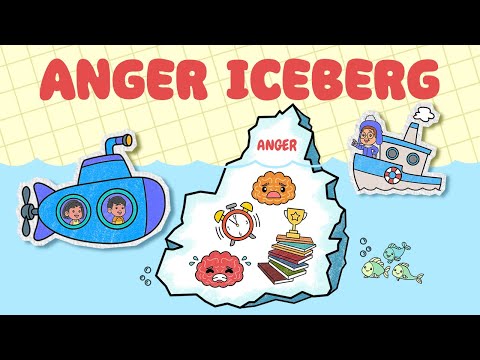
So, why does this happen? Well, anger has some roots in our psychology that go way deeper than just what’s happening on the surface. Think about it: sometimes anger is masking something else—like hurt or fear. It’s like you stub your toe and instead of saying “ouch,” you end up shouting at your partner for no reason. It’s not really them; it’s what you’re feeling inside that just explodes out. This emotional camouflage can lead to misunderstandings and spirals if we’re not careful.
Let me share a quick story with you. A friend of mine used to get mad over the smallest things—like when someone took the last slice of pizza or forgot to return a text. One day, we were hanging out, and he lost his cool over a minor inconvenience at work. I realized he was actually dealing with some heavy stress from family issues and feeling really powerless in other areas of his life. Once he recognized this connection between his hidden frustrations and his anger outbursts, things started to change for him.
Now when confrontation happens, what are some healthier ways to deal with this firestorm within? First off, taking a step back is key. When anger hits like a freight train, give yourself permission to breathe—seriously. Just breathing deeply helps calm that storm brewing inside your head. Then there’s talking it out with someone else who can help sort through those tangled feelings without judgment.
It really helps to reframe how you perceive situations too! Instead of thinking “I’m so angry because this isn’t fair,” try “This situation is frustrating me because I care.” It’s more about flipping the lens through which you see things.
Channeling anger into something productive is also super effective! Whether it’s exercising or creating art—it doesn’t even have to be grand; doodling works too! Finding an outlet means transforming that intense energy into something positive rather than letting it fester until it bubbles over at the worst moment possible.
At the end of the day, confronting anger isn’t about burying or ignoring it—it’s about understanding its roots and finding solutions that keep us connected with ourselves and others in healthier ways. Just remember: acknowledging those feelings gives us power over them instead of letting them run wild!