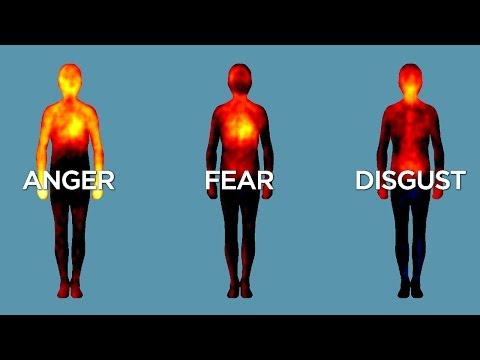
Anger and sadness. Wow, what a combo, right? It’s like trying to juggle fire and ice at the same time.
You feel one and then the other hits you out of nowhere. Like, one minute you’re fuming about something that happened at work, and the next you just wanna curl up in a ball.
Both emotions can be heavy, but they’re part of being human. Everyone goes through it, even if it feels super lonely sometimes.
So let’s chat about these feelings. What they mean, how to handle them, and why it’s totally okay to feel this way. Cool?
Exploring the Complex Emotion of Frustration: The Intersection of Anger and Sadness
Frustration is like that annoying friend who shows up uninvited, right? You don’t really want them there, but somehow they just crash the party anyway. It’s that complex mix of anger and sadness bubbling up when things don’t go our way. Let’s break it down.
You might be feeling frustrated when you’re stuck in traffic, waiting for something that should be easy. It’s that tight knot in your stomach as you realize you’ve been waiting for ages. That tension? It’s frustration involving both anger at the situation and sadness that it’s happening to you.
Now think of frustration like a seesaw. On one side, you’ve got anger—feeling mad about what’s happening and wanting to scream or lash out. On the other side is sadness—the disappointment creeping in because things aren’t as they should be. When those two emotions balance out in an awkward way, bam! You’ve got frustration.
When you’re faced with unmet expectations, it can escalate quickly. Let’s say you worked hard on a project at work only for it to get shot down by your boss without clear feedback. That feeling of anger at the unfairness blends with sadness because maybe you poured your heart into it! And there you are, feeling frustrated because you’re not sure what to do next.
So why does this matter? Well, frustration can become a sneaky beast if not managed well. If left unchecked, it can lead to chronic stress or even affect relationships around you. No one enjoys being around someone who is constantly irritated or on edge.
Here are some key points about frustration:
- Triggers: Everyday annoyances often trigger frustration—like slow internet speeds when you’re trying to meet a deadline.
- Physical response: You might notice your body responding too—tight shoulders, clenched fists; it’s all connected.
- Coping mechanisms: Some people cope by venting to friends or engaging in physical activity; others might withdraw and stew in their feelings.
And here’s the thing: recognizing where your frustration comes from can actually help lessen its grip on you. You start untangling those feelings of anger and sadness instead of allowing them to pile up into a mountain of irritation.
Sometimes just talking about your frustrations can bring clarity. Like when I once got really angry at my friend for canceling plans last minute—my initial reaction was pure annoyance! But after I cooled down, I realized I was sad too because I’d been looking forward to hanging out with them.
In short, frustration is more than just annoyance—it’s an emotional cocktail that deserves attention! By acknowledging both the anger and sadness behind your frustrations, you create space for healthier expression and better coping strategies moving forward. So next time the wave of frustration hits, take a breather! It might just help clear some clouds away from your mental sky.
Understanding the Meaning of Navigating Emotions: A Legal Perspective
Navigating emotions, especially anger and sadness, can feel like trying to keep your balance on a tightrope. It’s tricky, and sometimes you feel like you’re one misstep away from falling off. These feelings are part of being human, but understanding their implications can be important, especially in contexts you might not expect.
Anger is often seen as a negative emotion, but it can serve some important purposes. It’s like a warning light on your dashboard; it tells you something isn’t right. For example, if someone cuts you off in traffic, your anger might arise because you feel disrespected or unsafe. Instead of letting it boil over into road rage, maybe think about why that situation made you feel that way—was it about safety or feeling undervalued? Recognizing the source of your anger can help you address it more constructively.
On the other hand, sadness often feels heavier. It’s that lump in your throat when things don’t go as planned or when you’re grieving something lost. Imagine losing a loved one; sadness is natural because it connects us to our experiences and those we love. It’s okay to sit with that feeling instead of pushing it away. Sometimes, just acknowledging it helps—and maybe talking to someone about it makes all the difference.
Now, let’s think about how these emotions play out legally. Emotions can influence our decisions and actions in serious ways. For instance, if someone acts out of anger during a heated argument and ends up hurting someone else physically or emotionally, there could be serious legal consequences involved—like charges for assault or harassment.
It’s crucial to remember that courts recognize emotions too! A judge might consider whether someone acted out of temporary emotional disturbance when making legal decisions regarding intent or punishment. So understanding your emotions and how they affect your actions can literally change the outcome of a situation.
Navigating emotional landscapes also means recognizing how society views these feelings—like how anger sometimes gets labeled as “unprofessional” in workplace settings while sadness may be dismissed as weakness. But guess what? Both are valid emotions deserving attention! Learning how to express them appropriately isn’t just good for personal peace; it’s beneficial in social situations too.
In short, navigating anger and sadness is like learning to drive: you’ve got to trust your instincts while staying aware of the road ahead—and other drivers! Emotions inform our choices every day; they shape our interactions with others and influence our well-being significantly. The better we understand them—in ourselves and others—the smoother the ride tends to be!
Understanding the 7 Stages of Anger: A Comprehensive Guide to Emotional Progression
Anger is one of those tricky emotions, isn’t it? Everyone feels it, but it can be tough to understand, especially when it transforms into something deeper. You might not realize this, but anger isn’t just a single feeling; it actually goes through stages. Let’s break down the seven stages of anger so you can navigate this emotional landscape like a pro.
1. Triggering Event
This is where the journey begins. Something happens that sparks your anger. Maybe someone cuts you off in traffic or you get criticized at work. It’s that initial moment that sets everything in motion.
2. Emotional Response
You start to feel your heart race or your fists clench. It’s your body getting ready for action, whether that’s to fight back or run away from whatever’s causing the upset. The emotional response often varies – you might feel frustration, irritation, or even hurt.
3. Cognitive Appraisal
Now you’re thinking about what just happened. You might go over the situation in your head and decide how unfair it is or how wronged you feel. This stage can amplify your anger because you’re giving meaning to the event based on your thoughts and beliefs.
4. Escalation
At this point, if nothing changes, the emotional response intensifies. Your irritation could grow into full-blown rage! You may start imagining ways to get back at whoever upset you—this is when things can get messy if not managed well.
5. Expression
Here’s where we really see anger come out—whether through yelling, sarcasm, or maybe even physical actions like throwing something (not cool!). It’s important to remember that how you express anger can affect not just yourself but others too.
6. Reflection
After the dust settles and emotions cool down a bit, you might reflect on what happened. This could lead to feelings of regret or realization about how maybe your response was a bit over-the-top… You know?
7. Resolution
Finally, you reach a point where you’ve either resolved the issue with the person involved or found some peace within yourself about what transpired. Anger is no longer consuming your thoughts; instead, you’re ready to move on.
It’s completely normal for people to cycle through these stages in various situations; sometimes they happen quickly and other times they take longer than you’d expect! Understanding these stages helps in managing feelings better and resolving conflicts more effectively because let’s be real—anger’s part of being human!
Anger and sadness—those two heavyweights of emotions, right? It’s interesting how they crash into your life, often uninvited. You might find yourself in a heated argument, feeling that fire in your belly. Then, a while later, you’re hit with an overwhelming wave of sadness. It’s like they’re best buddies who just won’t leave you alone.
I remember a time when I had this epic fallout with a friend. I was fuming—like boiling water mad! But as the hours rolled by, that anger started to fade, and then came the tears. Suddenly I was not just angry but feeling this deep sense of loss for what our friendship used to be. It’s wild how one moment you’re ready to scream and throw things, and the next, you’re sobbing into a pillow because everything feels so heavy.
What happens is that anger can often be like a protective shield. It’s loud and fierce; it makes you feel powerful, like you can take on the world. But underneath all that fury lies sadness—a quieter, more intimate emotion that tends to creep up when things settle down. You might not even realize you’re sad until you’ve already exploded with anger over something trivial.
But here’s the kicker: acknowledging both these feelings is crucial. You know? Anger can signal boundaries being crossed or something unresolved eating away at you. And sadness? It usually brings up grief or longing for connection or understanding. Instead of pushing them away or judging yourself for feeling them (which we all do sometimes), let them exist together in this weird emotional landscape.
So yeah, next time you’re juggling those feelings—like being on an emotional rollercoaster—try to sit with them for a bit. It might be uncomfortable at first, but it could help uncover some deeper truths about what you’re really going through. There’s beauty in recognizing how interconnected these feelings are; they each have their role in your story and deserve a little compassion from you!