You know those days when everything feels kind of… empty? Like, you’re going through the motions but not really feeling much of anything? That’s anhedonia for you.
It’s that weird emotional void that sneaks up and makes it tough to enjoy stuff you used to love.
Ever been there? Yeah, me too. It’s a tough place to be, and it can leave you scratching your head wondering what’s going on.
Let’s take a closer look at this thing called anhedonia—why it happens and what it means for your emotional health. Spoiler alert: You’re not alone in this!
Exploring the Efficacy of Wellbutrin in Treating Anhedonia: A Comprehensive Review
Anhedonia is a tough cookie to crack. It’s that feeling where things just don’t spark joy anymore, even the stuff you used to love. Imagine being at a concert for your favorite band, and instead of dancing and singing along, you’re just… there. It’s like watching life from behind a glass wall. And while it can stem from various issues, one treatment option that often comes up is Wellbutrin.
What is Wellbutrin? Wellbutrin is an antidepressant that’s known in the medical world as bupropion. It works differently than many other antidepressants because it mainly affects dopamine and norepinephrine in the brain. These two chemicals are super important for mood regulation and motivation. So when we talk about anhedonia, which involves a lack of pleasure or motivation, Wellbutrin might help kickstart those feelings again.
Now let’s get into why some folks with anhedonia turn to Wellbutrin. Research suggests that it can be effective in treating this emotional void by enhancing dopamine levels. Dopamine is often linked with reward and pleasure, so increasing its availability could help bring back some of that zest for life.
In studies, patients using Wellbutrin reported improvements in their ability to experience joy and pleasure over time. It may not work for everyone — because you know how our brains are all unique — but for many, it offers the chance to reconnect with those lost feelings.
Now here are some key points to consider:
- Dopamine Enhancement: The boost in dopamine can lift your mood and increase motivation.
- Side Effects: Like any medication, it can have side effects—insomnia or dry mouth might be on the list.
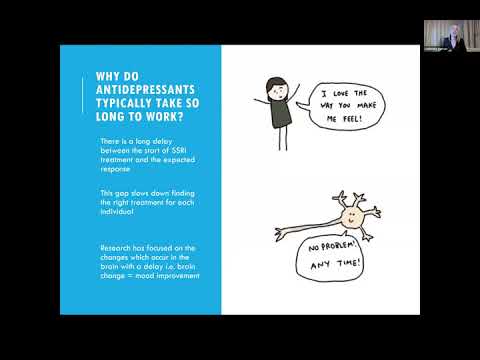
- Takes Time: Results often don’t show up overnight; it usually takes a few weeks.
- Personal Experience: Everyone reacts differently; what works wonders for one person might not do much for another.
Anecdotes abound regarding people finding relief with Wellbutrin after struggling for ages with anhedonia. Like my friend Jake; he used to love hiking but ended up feeling indifferent about everything after going through a rough patch. After trying various treatments without much luck, he started taking Wellbutrin. Over time, he began feeling excited about planning hikes again—like reconnecting with an old friend!
But hey! It’s also crucial to chat with your healthcare provider about what’s going on before jumping in all excited-like. They’ll help assess whether it’s suitable based on individual circumstances.
So yeah, exploring the efficacy of Wellbutrin in treating anhedonia shows promising signs but always involves tailoring treatment plans to fit individual needs. It’s all about finding what helps you feel alive again in this wild ride called life!
Understanding Anhedonia: Duration, Recovery, and Effective Strategies for Overcoming It
Anhedonia can feel like a heavy fog settling over your life. It’s that emotional void where things that once brought you joy or satisfaction just lose their flavor. Imagine enjoying your favorite meal and feeling nothing. Sounds bleak, right?
Duration of anhedonia varies. For some, it might be a fleeting phase triggered by stress or loss, while for others, it can linger for months or longer as part of depression or other mental health issues. The length often depends on the underlying cause, which could range from trauma to chemical imbalances in the brain.
Recovery from anhedonia isn’t a one-size-fits-all deal either. Some people bounce back quickly with a little support from friends or therapy. Others might need more time—like weeks or even months—especially if it’s linked to deeper mental health struggles.
Now, let’s talk about effective strategies to manage and overcome it. Here are some approaches that could help:
- Engage in Activities: Even if you don’t feel like doing something, pushing yourself to engage can help rekindle those lost sparks of joy.
- Social Connection: Reach out to friends or family. Genuine connection can break that isolating feeling.
- Physical Exercise: Moving your body releases endorphins—those natural mood lifters!
- Cognitive Behavioral Therapy (CBT): This type of therapy focuses on changing negative thought patterns that may be contributing to anhedonia.
- Meditation and Mindfulness: These practices can help cultivate awareness and appreciation of the present moment.
It’s important to note that even when things seem hopeless, tiny steps count! Let me share a quick story: A friend of mine went through a rough patch where he didn’t enjoy anything at all—not games he loved nor spending time with friends. But he made small goals, like taking short walks daily or trying new hobbies—even when he felt nothing inside. Over time, these little changes began helping him feel alive again.
In summary, anhedonia is more than just a lack of pleasure; it’s an emotional disconnect that can have various causes and durations. Recovery is possible with effort and support through different strategies tailored to your needs! Just remember—no need to rush the journey back to joy; sometimes just starting is already a big win!
Understanding Emotional Void in Psychology: Definition, Causes, and Impact
Understanding Emotional Void in Psychology
So, you might have heard of this term called emotional void. Basically, it’s that feeling where you’re just not feeling anything at all. Imagine sitting in a room with people laughing and having a good time, but you just can’t seem to connect with the joy around you. It’s like your brain has hit the mute button on emotions.
One of the key things to know is that this feeling is often tied to something called anhedonia. That’s a fancy word for losing the ability to experience pleasure. Think about your favorite dish. You know, the one that makes your mouth water? Now imagine biting into it and not tasting anything. That’s what anhedonia feels like emotionally; everything you once enjoyed just feels flat.
There are a bunch of reasons why someone might end up in this emotional void. Here are some common causes:
- Depression: You could be grappling with depression, which often comes hand-in-hand with feelings of numbness.
- Anxiety: High levels of stress and anxiety can also create an emotional shutdown.
- Trauma: Past traumas can leave scars that make it tough to feel emotions fully.
- Medications: Some prescription drugs, especially antidepressants, can dampen emotional responses as a side effect.
The impact of living with an emotional void isn’t just about feeling down; it affects how we connect with others. You might find yourself pushing friends away or missing out on experiences that normally would bring happiness. It’s like being stuck behind glass—watching life happen but not really being part of it.
Let’s take a moment to think about relationships too. Imagine being in love but not able to feel the butterflies in your stomach anymore. This emotional disconnect can create gaps between partners and friends, leading to misunderstandings or feelings of isolation.
In essence, dealing with an emotional void is tough! It can feel like wandering through life without direction or color. Acknowledging these feelings is the first step toward understanding them better—and maybe from there, finding ways to reconnect with those richer emotions again.
So yeah, if you’re ever feeling this way—or know someone who is—remember it’s okay to talk about it! Just because things feel muted doesn’t mean they always will be.
You know, there’s this heavy feeling that comes sometimes, like a cloud hanging over you. It’s not just sadness or feeling low; it’s like, everything you used to enjoy suddenly feels… well, empty. That’s pretty much what anhedonia is all about. If you’ve ever felt like your favorite song just sounds flat or that the idea of hanging out with friends seems more like a chore than something you actually want to do, you might get where I’m coming from.
Imagine this: you’re at a party with all your pals. The music is thumping, people are laughing, and yet you’re just standing there, feeling like you’re watching the whole scene through a foggy glass. Everyone else seems to be enjoying themselves while you’re just going through the motions. It’s, like, super isolating. That sensation of disconnect can be overwhelming.
Anhedonia doesn’t just pop up out of nowhere; it often tags along with other mental health issues, like depression or anxiety. Basically, when your brain stops processing pleasure in the same way it used to, life can start feeling dull and uninviting. As if colors are muted and flavors are bland—ugh! It’s no wonder people find it hard to get out of bed when even their morning coffee feels lackluster.
And here’s the kicker: you might still want to feel excited about things; you may desperately wish for that joy back. But it’s frustratingly elusive—like trying to catch smoke with your bare hands. It’s not that you’re lazy or don’t care; your brain is simply on the fritz when it comes to experiencing happiness.
Understanding this emotional void can help break down some barriers for folks dealing with these feelings. It’s important not to brush off those experiences as «just being in a funk» or something trivial because they can seriously affect day-to-day life and relationships too.
So what can we do? Well, acknowledging that something feels off is the first step. Talking openly about these feelings—like sharing them with friends or family—can bring relief too (even if they don’t fully get it). And while professional help isn’t a one-size-fits-all solution and often takes time, it might provide tools that help navigate through this murky territory.
The thing is, reaching out for support doesn’t mean admitting defeat—it means taking action toward feeling better in whatever way fits for you! There’s always hope hidden somewhere in that emotional void; sometimes it’s just waiting for the right moment to shine back through.