You know that feeling when nothing seems fun anymore? It’s like a gray fog just rolled in and made everything dull. That’s anhedonia for you.
It’s not just a fancy word – it’s actually super important in understanding how depression works. When you’re in that mental space, the things that used to bring joy just fall flat.
I had a friend once who loved painting, but one day she just stopped. I remember her saying, “What’s the point?” That was heartbreaking to see.
So, let’s chat about this connection between anhedonia and depression. It’ll help shed some light on why sometimes, life feels like it lost its colors.
Effective Strategies for Reversing Anhedonia: A Comprehensive Guide
Anhedonia is when you can’t feel pleasure or enjoyment from things that usually bring happiness. It’s like when you’re eating your favorite ice cream, but it tastes bland. This experience is often linked to depression, making the whole situation pretty tough.
So, what can you do to try and turn things around? Here are a few strategies that might help:
1. Find Activities You Used to Enjoy
Sometimes, reconnecting with old hobbies or interests can spark some joy. Even if it feels like a chore at first, pushing through could lead to some happier moments.
2. Set Small Goals
Think about little milestones rather than overwhelming yourself with big plans. Maybe it’s just taking a walk or calling a friend. Celebrating these small wins can boost your mood over time.
3. Establish a Routine
Having a daily schedule can provide structure and something to look forward too. Even if it’s as simple as getting out of bed at the same time every day, this stability might help ease feelings of emptiness.
4. Connect Socially
Even if you don’t feel like interacting with others right now, human connection is crucial. Just sending a text or joining an online group might ignite some positive emotions.
5. Mindfulness and Meditation
Practicing mindfulness can help shift your focus from negative thoughts to present experiences, even the tiniest ones! A five-minute breathing exercise might be just what you need to relax and open up more space for joy.
6. Physical Activity
Moving your body releases those feel-good hormones called endorphins; so even a quick walk around the block counts! You don’t have to hit the gym hard—just getting outside can make a difference.
7. Talk About It
Sharing your feelings with someone who listens—whether it’s a friend or family member—can provide relief and maybe even help you see things differently.
It’s important not to pressure yourself into feeling better overnight; change takes time. If these strategies seem overwhelming or aren’t working for you after some time, consider reaching out for professional support because sometimes outside help is really what we need.
Anhedonia isn’t just about experiencing less pleasure—it’s also about feeling disconnected from life itself but remember: there are ways to find that connection again! You got this!
Understanding the Link Between Anhedonia and Depression: Key Insights and Implications
Anhedonia is one of those terms that can sound heavy and clinical, but it basically means the inability to experience pleasure. Imagine loving your favorite hobby, maybe painting or playing guitar, and suddenly feeling nothing when you do it. It’s frustrating, right? Well, that’s what folks with anhedonia go through.
Now, when we talk about the link between anhedonia and depression, things start to make a bit more sense. Often, anhedonia isn’t just a standalone issue; it frequently pops up as a symptom of depression. So if you find yourself not enjoying things anymore when you’re feeling low or down in the dumps, you’re not alone.
The connection here is pretty significant. When someone is depressed, their brain chemistry changes in ways that impact pleasure and motivation. For instance, like dopamine—the “feel good” neurotransmitter—doesn’t work as effectively as it should. So not only do you struggle to feel happy about activities you once enjoyed, but even getting out of bed might feel like climbing Mount Everest.
Here are some key insights into this link:
- Anhedonia can manifest in different ways: Some people might lose interest in social activities while others stop enjoying eating their favorite foods.
- It can affect both emotional and physical aspects: There might be emotional numbness alongside physical aches or lack of energy.
- It complicates recovery from depression: If you’re dealing with anhedonia while trying to get better from depression, it makes everything tougher—like running a race with weights attached to your ankles.
- Treatment often needs to address both issues: Tackling depression alone isn’t always enough if the anhedonia sticks around.
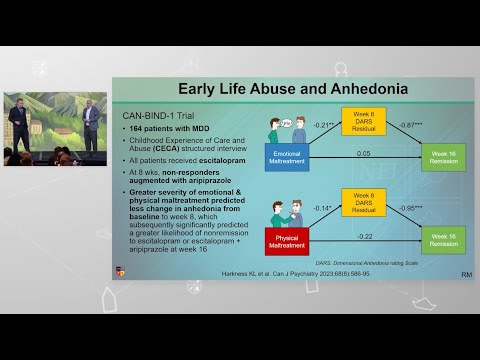
Talking about treatment can be tricky because everyone’s journey is unique. For some people, therapy can help unearth what lies beneath that inability to enjoy life—even childhood experiences or trauma sometimes play a role here. Others might benefit from medications that boost dopamine levels or change brain chemistry to help bring joy back into their lives.
An anecdote may clarify this further: Think about Samantha. She used to love going out with friends every Friday night for karaoke sessions. One day she realized she didn’t want to go anymore—things didn’t seem fun at all! After speaking with someone about her feelings and working through her emotions in therapy, she started finding joy again—not just in karaoke but also in connecting with her friends again.
In summary, understanding the connection between anhedonia and depression helps shed light on why some people may feel so low for long stretches of time without knowing why they can’t enjoy anything anymore—it’s like being stuck on mute while everyone else is singing along! The implications are huge for treatment paths; recognizing both symptoms allows us to take full steps toward healing rather than just pushing the problem aside.
So whether it’s reaching out for help or taking small steps towards rediscovering joy—knowing there’s more than meets the eye in this dance between anhedonia and depression gives hope for brighter days ahead!
Exploring the Efficacy of Bupropion in Treating Anhedonia: What the Research Reveals
Anhedonia, which is basically the inability to feel pleasure, is often linked with depression. When someone struggles with anhedonia, everything that used to spark joy—music, food, or hobbies—just feels flat. Seriously, it can be really tough when you can’t enjoy life like you used to. So, what’s the deal with bupropion?
Bupropion is an antidepressant known for its unique way of working. Unlike many other meds, it doesn’t just focus on serotonin (that’s a chemical in your brain), but also targets dopamine and norepinephrine. Dopamine is especially important because it plays a big role in the pleasure and reward system of our brain. You see where this is going? If bupropion can boost dopamine levels, it might help alleviate that pesky anhedonia.
Research surrounding bupropion shows some promising results. In several studies:
- Bupropion has been effective in reducing symptoms of depression while also addressing anhedonia.
- Some patients reported a noticeable increase in their ability to find joy in everyday activities.
- It’s often considered when other antidepressants haven’t done the trick.
Now let me share a quick story to highlight how impactful this can be. Imagine someone named Alex who loved painting but suddenly found no satisfaction in it anymore—just gray canvases waiting for color that never came. After trying various medications without much luck, Alex started on bupropion. After a few weeks, colors began to pop again for Alex! That sense of excitement about picking up the brush returned.
However, it’s not all sunshine and rainbows. Bupropion does come with potential side effects like insomnia or increased anxiety for some folks—you know? Everyone’s different! And while it might help one person rediscover joy through music or art again, another may not experience those benefits.
So what researchers are saying points towards **the need for more targeted studies** specifically looking at bupropion’s impact on people dealing with anhedonia within depressive episodes:
- Some studies suggest that the initial relief from symptoms might happen sooner than with other treatments.
- Long-term effects and overall satisfaction among users really need more exploration.
In summary, bupropion could be a viable option for those struggling with anhedonia related to depression—but it’s definitely not a one-size-fits-all solution. Mental health is complex! If you’re curious about exploring this avenue further—especially if you or someone close feels caught in that gray zone—it’s always best to chat with a healthcare provider about options available out there.
You know, it’s pretty interesting how our minds work. Take anhedonia, for instance. It’s this term that describes the inability to feel pleasure in things you once enjoyed. Sounds heavy, right? Now, what’s fascinating is that it often hangs out with depression like an uninvited guest, and they seem to feed off each other.
I remember hearing about a friend who used to love painting. She would spend hours with her brushes and colors, losing track of time. But after going through some tough stuff in her life, she just… stopped. The canvas remained blank despite her longing for that joy she used to feel. It was as if the vibrant colors of her world turned gray overnight. That’s an example of how anhedonia can creep in when someone’s dealing with depression.
So basically, when someone’s depressed, their emotional landscape gets all messed up. Activities that once brought joy now feel dull or even like a chore. Imagine waking up and everything feels heavy—like you’re dragging a weight around all day long—that’s kind of what it’s like. You might want to enjoy your favorite things, but they just don’t hit the same anymore.
But here’s the kicker: it can also go the other way around. Sometimes people experience anhedonia first, which then spirals into depression because they feel disconnected or lost without those joyful experiences. It’s like a loop that hard to break out of once you’re in it.
And here’s something else: not everyone shows these signs in the same way! Some might express their sadness openly while others might mask it well or show anger instead—it’s such a mixed bag of emotions! So recognizing these feelings and making sense of them can be super tricky.
In short, the connection between anhedonia and depression is like this complicated dance where each partners quietly influence one another’s steps. Getting back into the rhythm can take time and effort but just know you’re not alone in feeling this way; many are on similar paths trying to rediscover those lost joys one brushstroke at a time!