Alright, let’s chat about something that touches a lot of lives: antidepressants. You know, those little pills that some people swear by and others raise an eyebrow at?
There’s a lot more to it than just popping a pill and feeling better. Seriously, it’s a whole mix of brain chemistry, emotions, and maybe even some social pressure thrown in there.
Some folks find them super helpful, while others feel they’re just not for them. It can get kinda complicated! So, how does all this work and what really happens in your mind when you take these meds?
Let’s dig into the psychological side of things and see what’s going on. You might find it interesting—who knows what you’ll discover!
Understanding the Physiological Effects of Antidepressants: Impact on Body and Mind
Antidepressants can feel like a hot topic, right? It’s like everyone has an opinion about them. What matters, though, is understanding how they actually work on your body and mind. When people dive into antidepressants, they usually think about the mental effects—how they can lift mood and reduce anxiety. But there’s a whole physiological side to it that’s just as important.
First off, let’s talk about neurotransmitters. These little guys are chemicals in your brain that help transmit signals between neurons. Antidepressants mainly work by changing the levels of these neurotransmitters, like serotonin and norepinephrine. You know when you binge-watch your favorite show and feel all those happy vibes? That’s kind of what serotonin does—it helps regulate mood and happiness.
So, when you take antidepressants, they help increase the amount of these neurotransmitters in your brain. This is why you might start to feel better after a while. But here’s the twist: this balancing act also affects your body physiologically.
For example, some people notice changes in their appetite or sleep patterns after starting medication. Maybe you’ve experienced a boost in appetite or struggled with insomnia—that’s not just mental; it’s physiological too! Your body is adjusting to new chemical levels in response to those pills.
Another aspect is side effects. While many find relief with antidepressants, others might experience unwanted effects like weight gain or digestive issues. It’s crucial to keep an eye on these changes because they can impact not just how you feel mentally but also physically.
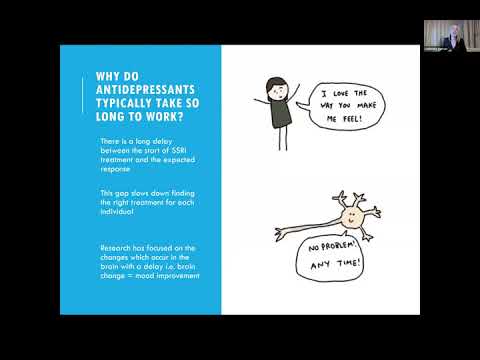
The time it takes for antidepressants to kick in can vary quite a bit—typically around 4-6 weeks for most people. And during this period of adjustment, you might ride some waves of emotions or physical sensations as your body gets used to the medication. It can be an emotional rollercoaster!
Also, don’t underestimate how stress affects all this. Stress hormones can interfere with how well those antidepressants work on both your body and mind. Chronic stress might make it harder for your brain to respond positively to the treatment.
Lastly, if someone decides to stop taking antidepressants after a while—whether it’s because they’re feeling better or for other reasons—you might experience withdrawal symptoms known as discontinuation syndrome. This isn’t fun! Some people may face dizziness or flu-like symptoms as their bodies adjust again.
In sum, understanding the physiological effects of antidepressants means looking beyond just mood improvement; you’re dealing with a complex interaction between brain chemistry and bodily responses too! It’s worth having conversations with healthcare providers about what you’re experiencing—both emotionally and physically—during this process because every person reacts differently to medication!
Exploring the Physiological and Psychological Effects of Depressants: A Comprehensive Overview
So, depressants—what’s the deal with them? Basically, these substances slow down the nervous system. You probably know some common ones: alcohol, benzodiazepines like Xanax or Valium, and barbiturates. They can feel super relaxing and help take the edge off anxiety or stress. But there’s a lot more going on under the surface.
Physiological Effects
When you consume a depressant, it binds to specific receptors in your brain. This is mostly about enhancing the action of a neurotransmitter called GABA (gamma-aminobutyric acid). Think of GABA as that chill friend who says, “Hey, relax! No need to stress!” When GABA is activated, it dampens brain activity. This is why you might feel calm after a drink or a pill.
- Your heart rate can drop.
- Your breathing may slow down.
- And your muscle coordination gets wobbly. Ever tripped while trying to walk straight after a few drinks? Yeah, that’s GABA working its magic!
But here’s where things get sticky. Over time, using depressants can lead to tolerance and dependence. Your body gets used to having these substances around and needs more to get the same chill vibes. It can also lead to withdrawal symptoms if you suddenly stop taking them—think anxiety, tremors, or even seizures. Ouch!
Psycho-logical Effects
Now let’s chat about how depressants mess with your mind. While they’re great for immediate relief from anxiety or panic attacks, they don’t always tackle the root cause of those feelings. You might end up feeling better in the short-term but still be dealing with whatever issues are lurking underneath.
An example: imagine you’ve had a rough week at work and decided to have a few drinks with friends. At first, you’re laughing and letting loose! But as time passes and those drinks wear off, stressors come flooding back in—so now what? You might find yourself reaching for another drink just to keep those feelings at bay.
- Some people use depressants as coping mechanisms.
- This could lead to negative patterns like avoidance behavior or increased risk of addiction.
This cycle can be tough because while you get temporary relief from discomforts like anxiety or insomnia using these substances, they can actually make things worse in the long run. Plus, long-term use may increase feelings of depression once you stop using them regularly due to chemical imbalances caused by dependency.
The Role of Antidepressants
A lot of folks think antidepressants are just another kind of depressant—that’s not quite right! While some antidepressants work by balancing neurotransmitters differently than traditional depressants (like increasing serotonin), others may have sedative effects that resemble those encountered with actual depressants.
This adds another layer; while they could help stabilize mood over time without causing the immediate sedative effect like alcohol does, they also require patience—you won’t feel instant results but may notice gradual improvement in your mood over weeks or months!
Conclusion…
So there you have it! Depressants do mellow people out for sure but come with their own set of challenges—both physiological and psychological! If you’re thinking about how these affect mental health overall or curious about antidepressant usage specifically? Well… it’s all about balance and knowing when something isn’t helping anymore.
Understanding the Effects of Antidepressants on Brain Function and Physical Health
Okay, so let’s chat about antidepressants. You may have heard of them or maybe even know someone who takes them. They’re often prescribed for conditions like depression or anxiety. But how do they really work in your brain and what’s their impact on your physical health?
How Antidepressants Work in the Brain
Antidepressants basically tweak the chemistry in your brain. They target certain chemicals called neurotransmitters, which are like little messengers that help transmit signals between nerve cells. The main players here are serotonin, norepinephrine, and dopamine—each having a unique role in regulating mood.
Most antidepressants either increase the availability of these neurotransmitters or prevent their reabsorption, making them more effective at lifting mood over time.
Physical Health Considerations
Now, let’s not forget about physical health! Antidepressants can affect your body too—sometimes in ways you might not expect.
For instance, they can cause weight gain due to changes in appetite or metabolism. Some people report feeling tired or sluggish when starting medication, while others might experience insomnia. It really varies from person to person!
So it’s essential to keep an eye on how you’re feeling both mentally and physically when on these meds.
Cognitive Effects
And here’s another interesting tidbit! There’s been research indicating that for some people, antidepressants could potentially improve cognitive functions like memory and concentration over time as mood stabilizes. That means if you’re struggling with depression’s foggy feelings, you might find clarity once those meds kick in.
But here’s where things get tricky! While they can help some individuals function better daily, there are reports of cognitive dulling too—feeling less sharp or mentally engaged than usual.
Ultimately, this is so subjective!
The Decision to Use Antidepressants
So why even consider antidepressants? Well, for many folks battling mental health issues that interfere with daily life activities—like work or socializing—they can be a real game changer! Yet it’s crucial to have open conversations with healthcare professionals about the pros and cons based on personal history and experiences.
Just remember: everyone’s brain reacts differently; what works wonders for one may not cut it for another.
In summary, understanding how antidepressants interact with your brain is super important for anyone considering them. While they could enhance mood by balancing neurotransmitters—and also bring physical changes—they’re not a one-size-fits-all solution. Always keep communication flowing with doctors for best outcomes!
Okay, so let’s chat about antidepressants and the whole psychological landscape that comes with using them, you know? It’s one of those topics that gets pretty deep but is super important to understand.
When someone starts taking antidepressants, it’s not just about popping a pill and feeling better. There’s this whole mix of expectations and emotions involved. I mean, think about it: you’re hoping for relief from depression or anxiety. You want to feel “normal” again, right? That’s already a heavy load to carry.
I remember a friend of mine who struggled with major depressive episodes. She finally decided to try medication after years of therapy. At first, she was hopeful but also nervous. What if it didn’t work? What if it changed her personality? It was like standing at the edge of a cliff, looking down into unknown waters.
And then there’s the psychological aspect where people can start feeling like they’re dependent on the medication. Sure, antidepressants can help balance neurotransmitters—those little messengers in your brain—but they also bring up questions about self-efficacy and identity. You might wonder, “Am I really getting better because I’m healing, or just because I’m taking these pills?” It can lead to this weird tug-of-war in your mind.
The effect isn’t just chemical; it’s also about how you perceive yourself through the process. Some people report feeling more stable emotionally but still struggle with that inner dialogue of «do I need this?» It’s tricky territory! You might even experience shifts in relationships as people around you adjust to the ‘new’ you or even have their own opinions on whether you’re doing it right.
So while antidepressants can be seriously life-changing for many folks—helping them engage more with life and lessen those dark periods—there’s definitely a psychological dimension here that needs considering. It’s all interconnected: the medicine affects your thoughts and feelings but so do your beliefs about the medicine itself.
In short, using antidepressants isn’t just a straightforward medical issue; it involves navigating emotional landscapes too. Life becomes this delicate dance where you’re mindful of both brain chemistry and what’s going on inside your head—and heart—to really understand what’s happening as you journey towards healing. That mix makes each person’s experience unique!