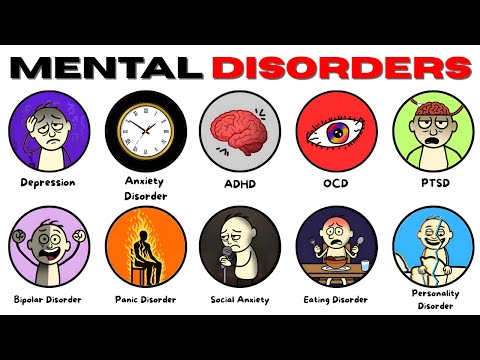
So, let’s chat about antisocial personality traits. You know, those quirks that make someone seem a bit… off?
Imagine a guy who just doesn’t seem to get how his actions affect others. He might charm you one minute and leave you feeling uneasy the next. It can be a real head-scratcher.
In psychology, this pattern is part of a bigger picture called antisocial personality disorder. But don’t worry; it’s not all doom and gloom! Understanding these traits can help us make sense of some tough behaviors out there.
So, grab your favorite drink, and let’s dig into what makes this topic so intriguing!
Comprehensive Guide to DSM-5 Antisocial Personality Disorder: Downloadable PDF Resource
Antisocial Personality Disorder (ASPD) is one of those topics that brings up a lot of questions. You may have heard people toss around terms like “psychopath” or “sociopath,” but it’s not just about that. ASPD is actually a specific diagnosis in the DSM-5, which stands for the Diagnostic and Statistical Manual of Mental Disorders, Fifth Edition.
So, what does it mean to have antisocial personality traits? Basically, individuals with ASPD show a pattern of disregard for the rights of others. It often shows up in behaviors that are deceitful, impulsive, or aggressive. Here are some key points:
- Chronic Violation of Rules: People with ASPD might frequently break laws or engage in activities that put them at risk.
- Lack of Empathy: They often struggle to understand or care about other people’s feelings. Imagine someone stealing without batting an eye; they just don’t connect.
- Impulsivity: Decisions can be reckless, leading to trouble in relationships or jobs.
- Manipulative Behavior: They might charm their way into getting whatever they want, almost like they’re playing a game.
You know how some people seem to play by their own rules? That’s kind of how folks with ASPD operate. They might lie easily or manipulate others without feeling bad about it. In fact, I remember hearing about someone who seemed like the life of the party but was always stirring up trouble behind the scenes—never considering how his actions affected those around him.
The diagnosis itself isn’t just about having these traits; it typically develops after age 18 and comes from a long history of these behaviors starting in childhood or adolescence. So we’re talking about things like conduct disorder earlier on. This means skirting rules even as young kids—think along the lines of being aggressive towards animals or getting into fights regularly.
Getting more technical for a sec: the DSM-5 lays out criteria that professionals look at when diagnosing this disorder. They’ll consider patterns like impulsivity, irresponsibility in work and financial obligations, and failure to conform to social norms.
And here’s something key—ASPD isn’t just a label slapped on someone because they acted badly once or twice; it’s more nuanced than that. It involves an ongoing pattern where these behaviors become part of how someone operates day-to-day.
Treatment options can be limited since many individuals with ASPD might not seek help unless they get caught in legal troubles—or maybe even due to pressure from loved ones.
All said and done, understanding these traits can shed light on some pretty complex human behavior! If you’re curious about clinical definitions and detailed overviews, there are downloadable resources out there for more depth on this subject if you want to go deeper into it!
Understanding the Causes of Antisocial Personality Disorder: Key Factors and Insights
Antisocial Personality Disorder (ASPD) can seem pretty complex at first glance, but breaking it down helps a lot. This personality disorder is characterized by a disregard for others’ feelings and rights, leading to behaviors that can be quite harmful. Understanding ASPD means looking at different factors that might play a role in its development.
Genetics are a big piece of the puzzle. Some studies suggest that people with family histories of antisocial behavior may be more prone to developing similar traits. It’s like inheriting your grandmother’s knack for baking—just less sweet. If you grow up around similar behaviors, you might start to pick them up too.
Environmental influences are also crucial. If during childhood someone experiences neglect or abuse, it can create patterns of behavior associated with ASPD. Imagine a child who grows up in an unstable home—those early lacks of trust or security can lead to difficulties in forming healthy relationships later.
Another factor to consider is brain chemistry and structure. Research has indicated that parts of the brain responsible for impulse control and empathy might act differently in individuals with ASPD. So, if your brain’s wiring isn’t quite functioning as it should, responding positively to social situations could feel unnatural.
This often shows through repeated rule-breaking or aggression towards people and animals—basically setting the stage for possible ASPD later on. You might think back to your childhood friend who constantly got into trouble; they could’ve been showing signs even back then.
Peer pressure can also fuel these traits; if you’re surrounded by aggressive or manipulative friends, it’s easier to adopt those behaviors. It’s like being on a sports team—you tend to pick up the strategies they use.
Then there’s cultural factors. Different cultures view morality and aggression differently, which means some environments may inadvertently encourage antisocial behaviors by glorifying toughness or domination over kindness or empathy.
So yeah, understanding ASPD involves piecing together many different influences—it’s not just about one thing but rather how they all interact together in a person’s life. It’s important for us to recognize that these traits don’t form overnight! They evolve over years through various experiences and interactions.
In short, if you’re looking at the roots of Antisocial Personality Disorder, think genetics mixed with environment and social learning plus some brain stuff thrown into the mix! All these things combine create what we see as ASPD today. It’s complex but totally worth exploring if you’re interested in human behavior!
Understanding Antisocial Personality Disorder in DSM-5: Criteria, Diagnosis, and Implications
Antisocial Personality Disorder (ASPD) is one of those terms that gets thrown around a lot, but what does it really mean? Well, let’s break it down. The DSM-5, which is basically the handbook for mental health professionals, lays out some specific criteria for diagnosing someone with this disorder.
First things first, ASPD involves a persistent pattern of behaviors that disregard and violate the rights of others. Think about someone who seems to live by their own rules, often at the expense of everyone else. It’s not just about being a bit selfish; it’s deeper than that. Here are some key criteria from the DSM-5:
- Disregard for societal norms: Individuals often engage in behavior that’s grounds for arrest, like lying, stealing, or harming people.
- Lack of remorse: They don’t feel guilty about their actions—even if they hurt someone.
- Manipulative behavior: These individuals tend to be deceitful and may use charm or intimidation to get what they want.
- Impulsive or aggressive actions: They might have trouble controlling their tempers or making sound decisions.
- Early signs: The symptoms usually appear in childhood or early adolescence.
So picture this: you’re at a party and there’s this one person who keeps bragging about getting away with scams and cheating people out of money without feeling bad at all. That’s kind of the vibe we’re talking about here.
Now diagnosing ASPD isn’t super straightforward. Mental health professionals look at an individual’s history and behavior patterns over time rather than just snap decisions based on a few incidents. They’ll often need to rule out other disorders too—like borderline personality traits or substance abuse issues—because those can show similar features.
But here’s where it gets sticky. The implications of a diagnosis are huge! Those with ASPD often struggle in relationships—friends, family, coworkers—you name it. Their impulsive tendencies can lead to legal troubles or job instability too. Basically, living with someone who has these traits can be very challenging.
You might wonder if everyone who shows these traits is «bad.» Not necessarily! Some people might display antisocial traits but don’t fully meet the criteria for ASPD. It’s all on a spectrum rather than being black-and-white.
In real life? Think about that friend who always seems to push boundaries without concern for how others feel; they might not have ASPD but could definitely exhibit some antisocial traits.
Understanding ASPD helps us see why certain folks act the way they do—and maybe gives us insight into how we can communicate with them more effectively or set better boundaries in our interactions. So next time you come across that “wild child” personality type in your life, remember there might be more beneath the surface!
So, let’s chat about antisocial personality traits. You may have heard the term tossed around, and it can be a bit confusing. Basically, when someone has these traits, they tend to behave in ways that seem pretty disregarded for social norms and the feelings of others. Think of it like this: you know that feeling when someone cuts in line at your favorite coffee shop? It doesn’t just annoy you; it feels so unfair! Well, people with antisocial traits might not even bat an eye at such situations.
You might picture a classic villain when you think of antisocial behavior—like those characters in movies who are super charming but totally lack empathy. And yeah, there’s some truth to that portrayal! It’s not just about being a bad person or a criminal. It often includes things like impulsivity, deceitfulness, and sometimes even manipulation.
Let me share this little story: I once knew a guy named Mark (not his real name!). He was always the life of the party but seemed to lack any connection with others. When his friends had a tough time, he’d crack jokes instead of providing support. While we all laughed along, deep down I felt something was off. It was as if he didn’t really connect with our struggles or care about how we felt.
The thing is, people with antisocial traits might genuinely not see the world like most of us do. Their brains process emotions differently—almost like they’re on a different frequency. Imagine listening to your favorite song while someone else hears static! They often don’t understand why their actions affect others negatively because it’s just not wired into their perception.
Now, this doesn’t mean they can’t change or adapt in certain environments—or even feel remorse sometimes—but those feelings often don’t come naturally to them. And that’s what makes it tricky for those around them.
So when thinking about antisocial personality traits, it’s essential to approach it with an understanding mindset rather than judgment. We all have our quirks and complexities in how we relate to each other—some more pronounced than others—and being aware of these differences can help us navigate relationships better. Nobody’s perfect—you know what I mean?