You know those days when anxiety just sneaks up on you? It’s like, one minute you’re fine, and the next, you’re feeling all jittery and overwhelmed. It happens to all of us, seriously.
But here’s the thing: there’s a super simple way to help calm that storm in your head. Yep, we’re talking about breathing techniques. You might think, “Breathing? Really?” But trust me, it can make a world of difference.
These techniques are pretty easy and can fit right into your daily routine—whether you’re at work, hanging with friends, or just chilling at home. So why not give it a shot? Let’s explore how focusing on your breath can be like hitting a reset button for your mind!
Effective Strategies to Overcome Chronic Anxiety: A Comprehensive Guide
Chronic anxiety can feel like a heavy weight pressing down on you, right? It’s that nagging feeling that just won’t let go. One of the simplest yet most effective ways to tackle it is through breathing techniques. Seriously, the way you breathe can have a huge impact on how you feel. Let’s break it down.
First off, when you’re anxious, your body goes into fight-or-flight mode. This is your brain’s alarm system signaling danger. But guess what? Your breathing usually gets faster and shallower, making it worse. So, controlling your breath can help calm that alarm down.
A popular technique is called diaphragmatic breathing, or deep breathing. You basically want to breathe from your belly instead of your chest. Here’s how it works:
- Find a comfy spot: Sit or lie down somewhere you feel safe.
- Close your eyes: It helps you concentrate.
- Breathe in through your nose: Let your belly expand like a balloon. Count to four if you can.
- Hold for a moment: Just pause for a second after inhaling.
- Breathe out slowly: Do this through your mouth, counting to six as you let the air escape.
Doing this for five minutes can really shift your mood.
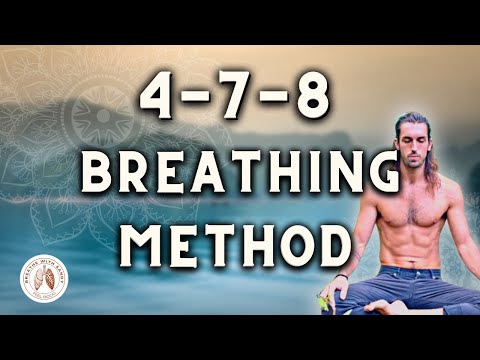
Then there’s 4-7-8 breathing, which is great for those moments when anxiety hits hard. Here’s the rundown:
- Breathe in quietly through the nose for 4 seconds.
- Hold your breath for 7 seconds.
- Breathe out completely through the mouth for 8 seconds.
It feels a little weird at first, but many find it really calms them down.
Another technique involves focusing on an object while you breathe—a kind of combination of mindfulness and breath control called breathe and focus. All you need to do is pick something simple around you:
- Sit comfortably and take a few deep breaths first.
- Select something to focus on: Maybe it’s a plant or even just a wall.
- Breathe naturally: As you look at this object, allow each inhalation to bring in calmness and each exhalation to release tension.
If you’re feeling overwhelmed during the day—like at work or school—taking short breaks every hour and practicing these techniques can really help clear mental fog and ease anxiety levels.
You know how sometimes just talking about things lightens the load? Well, sharing what you’re feeling with someone—a friend or family member—can be super helpful too! While this isn’t directly related to breathing techniques, it connects back to managing anxiety overall.
Incorporating these strategies into daily life isn’t about eliminating anxiety completely; it’s about learning how to manage it better while also giving yourself some grace along the way. If one technique doesn’t click with you, try another until something feels right! Keep experimenting—it takes time but it’s totally worth it in creating space for more peace in those anxious moments.
Effective Breathing Techniques to Alleviate Anxiety: A Comprehensive Guide
Breathing is something we usually take for granted. You know, like when you’re watching TV or scrolling through your phone? But when anxiety sneaks in, the way we breathe can totally change everything. It’s wild how just focusing on your breath can actually help calm your mind and body.
Why Breathing Works is kind of a big deal here. When you’re anxious, your body goes into fight-or-flight mode. This means you might breathe quicker and shallower, which can make everything feel even more intense. Basically, by controlling your breath, you send signals to your brain that it’s time to chill out.
Breathing Techniques: There are a few techniques that really stand out when it comes to easing anxiety:
- Deep Breathing: This one’s super simple. Just inhale slowly through your nose for a count of four, hold it for a count of four, and exhale through your mouth for four more counts. Doing this a few times can create an instant sense of calm.
- Belly Breathing: Place one hand on your chest and the other on your belly. When you inhale deeply, focus on making that belly hand rise while the chest stays relatively still. It’s all about filling up those lungs completely!
- 4-7-8 Breathing: This technique involves inhaling for four seconds, holding it for seven seconds, and then exhaling slowly for eight seconds. It’s like a tiny reset button when everything feels overwhelming.
- Pursed Lip Breathing: Inhale through your nose for two counts and then exhale slowly through pursed lips (as if you’re blowing out a candle) for a count of four or more. This helps keep airways open longer.
- Box Breathing: Picture this: Imagine drawing a box in the air! Inhale for four counts, hold it for four counts, exhale for four counts, and hold again for another four before starting over. It gets rhythm going while calming that racing heart.
The thing is with these techniques is consistency really matters! So if you practice them regularly—even when you’re not anxious—they can become second nature when you need them most.
You might be wondering how all this fits into *real life*, right? Say you’re at work and suddenly feel overwhelmed by deadlines or meetings. Instead of heading straight to the coffee machine (we’ve all been there!), try pausing to focus on one of these breathing methods instead. Give yourself just five minutes—trust me; it could change how you handle tension.
Mental Note: Breath isn’t just physical; it’s tied to our emotions too! That’s why being mindful while breathing—like focusing solely on the air coming in and going out—can whisk away distracting thoughts.
In short, effective breathing techniques are like having a toolkit at your fingertips whenever anxiety creeps in! So next time things get tense or overwhelming in daily life—whether at work or home—remember: just breathe!
Transform Your Anxiety Management with the 4-7-8 Breathing Technique
Anxiety is something that many of us deal with, and it can feel overwhelming at times. One technique that’s been getting a lot of attention is the 4-7-8 breathing method. It’s basically about manipulating your breath to help calm your mind and body. Let’s break it down!
First off, the numbers: 4, 7, and 8 represent how long you inhale, hold your breath, and exhale. Sounds simple enough, right? Here’s how it works:
- Inhale for 4 seconds. Breathe in through your nose, focusing on filling up your lungs. This can help you draw in oxygen and prep your body for relaxation.
- Hold for 7 seconds. This bit gets tricky for some! But holding your breath allows the oxygen to really circulate in your body. It might feel a little intense at first—stick with it!
- Exhale for 8 seconds. Let the air out slowly through your mouth. Think of this as releasing all that pent-up tension. You should feel lighter every time you let go!
The idea behind this technique is pretty cool: by focusing on these specific counts, you’re giving yourself a moment to reset. Picture this: you’re feeling super anxious before an important meeting. Instead of spiraling into worry, just step back and do the 4-7-8 routine a couple of times. You might actually notice that gnawing feeling ease up.
You can do this anytime you need a breather—literally! Whether you’re at work or hanging out with friends who don’t get what you’re going through, just find a little space to do your breathing thing.
Some folks find it useful before bed too since anxiety can hit hard when it’s time to wind down. By calming yourself with this technique, you might even drift off easier.
But let’s be real: practice makes perfect! At first, it might seem awkward or hard to keep track of that timing—don’t sweat it! Just keep trying until it feels more natural.
In summary, if anxiety is bugging you during daily life, consider giving the 4-7-8 breathing technique a shot. It’s like a mini-reset button we all could use sometimes!
You know, it’s funny how something as simple as your breath can have such a big impact on how you feel. I remember this one time, I was sitting in a crowded café, and suddenly I felt that familiar tightening in my chest—anxiety creeping in like an unwanted guest. It hit me that I had this powerful tool right at my disposal: my breath.
Breathing techniques might sound a bit cliché or like something you hear in yoga class, but they really can make a difference when anxiety shows up uninvited. The thing is, when you’re anxious, your breathing tends to become shallow and quick, which just makes everything worse. It’s like giving your anxiety more fuel! But if you take a moment to pause and focus on your breathing, it can help calm that storm inside.
One technique that really works for me is inhaling deeply through the nose for four counts, holding for four counts, and then exhaling slowly through the mouth for six counts. Doing this just a few times can turn a panic mode into a much more manageable situation. It’s amazing how grounding yourself with your breath can bring clarity back into focus.
And honestly, it doesn’t have to be complicated. You can do these techniques anywhere—while waiting in line at the grocery store or even during a tense meeting. Just taking those few moments to breathe deeply gives you that little boost of control when everything feels chaotic.
So next time anxiety tries to sneak in during your day-to-day life, remember you’ve got this straightforward tool right there with you. It might feel silly at first or even seem too simple to work, but give it a shot! Breathing is one of those things we often take for granted until we realize just how powerful it really is.