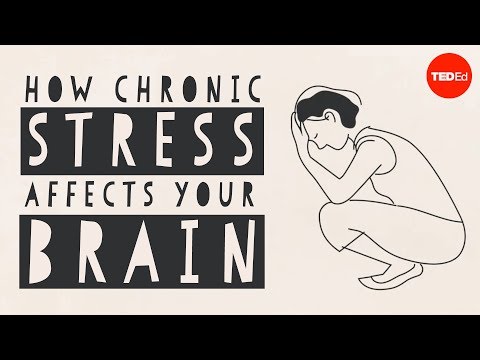
You know those days when you feel completely wiped out? Like, even getting out of bed feels like climbing a mountain? Yeah, that’s what I’m talking about.
Emotional drain is no joke. It sneaks up on you, and before you know it, you’re running on empty. Anxiety fatigue can hit hard.
It’s not just about feeling a bit off. It can really mess with your mood, your focus—everything. And honestly? We’ve all been there at some point.
So let’s chat about why this happens and what you can do to cope with it! Sound good?
Understanding the Legal Implications of Mental and Emotional Exhaustion in the Workplace
So, let’s chat about mental and emotional exhaustion in the workplace. You know, that feeling when you’ve been running on empty for ages? It’s not just about being tired; it can have some serious legal implications. Many people might not even realize how these feelings can show up in legal situations, but they’re more relevant than you’d think.
First off, when you’re mentally exhausted, it can affect your performance. Not just a little—it can lead to decreased productivity and increased errors. If this happens often enough, it might make you wonder if you could be at risk for job-related issues, like getting fired or facing disciplinary actions. Employers have a responsibility to provide a safe and healthy work environment, but what does that mean when it comes to mental health?
Now, if an employee is experiencing severe emotional exhaustion due to their work environment—like relentless stress or harassment—they might consider taking legal action under workplace safety laws. It’s essential to know that emotional and psychological harm can be as valid as physical injuries. For instance, let’s say someone has been feeling overwhelmed due to constant micromanagement by their boss. If this leads to anxiety or depression severe enough to require time off work, they might have grounds for a case if the company doesn’t address these issues.
Another key point is documentation. Keeping records of your experiences at work can be crucial. This means jotting down incidents that contribute to your emotional strain—like missed deadlines due to anxiety or feelings of dread before going into the office. This documentation could serve as evidence if legal action becomes necessary.
Also, there are laws like the Americans with Disabilities Act (ADA) in the U.S., which recognizes certain mental health conditions as disabilities. If someone is diagnosed with anxiety or depression because of their workplace scenario—which often happens—you may be eligible for accommodations at work like flexible hours or remote working options.
What I find interesting is how publicly discussing mental health in workplaces has changed over time. Companies are slowly starting to recognize the importance of being open about these issues—not only for the sake of their employees but also because a supportive environment can boost productivity and morale.
In cases where employees face retaliation after reporting emotional distress (like getting passed over for promotions), they may find that brings other legal implications into play—this is often called “whistleblower protection.” So yeah, if someone feels they’ve been treated unfairly after trying to speak up about their struggles, they might have further legal support available.
Understanding your rights in relation to mental and emotional exhaustion isn’t just important; it’s empowering! You want to take care of yourself first—no one should feel ashamed about needing help or advocating for their own well-being at work.
In summary, paying attention to how emotional exhaustion affects our professional lives is crucial both individually and legally. The impacts run deep and can be quite complex—but knowing your rights and recognizing the signs can help create a healthier workplace overall!
Effective Strategies for Managing Emotional Exhaustion and Reclaiming Your Well-Being
Emotional exhaustion is like that feeling you get after a long day at work, but it’s way deeper than just tiredness. It’s that heavy cloud hanging over you, making it hard to even get out of bed some days. You know what I mean? When anxiety and stress pile up, it can drain your energy and leave you feeling depleted—a bit like running on empty.
To manage this, there are **effective strategies** that can seriously help you bounce back and reclaim your well-being.
Recognize the Signs
First off, it’s important to recognize when you’re emotionally drained. Do you feel irritable or overwhelmed? Maybe everything just feels too much. It’s key to notice these feelings before they snowball into something bigger. You might catch yourself snapping at loved ones or avoiding social plans altogether. Once you’re aware of what’s going on, it’s easier to tackle it head-on.
Set Boundaries
Setting boundaries is super important in protecting your emotional space. If you’re constantly saying yes to everything, you’ll find yourself stretched thin. It’s totally okay to say no sometimes! Like my friend Laura—she used to feel guilty about declining invites until she realized her own needs mattered too. So take a cue from Laura and don’t hesitate to prioritize yourself.
Practice Mindfulness
Mindfulness can be a game-changer. It’s all about being present in the moment without judgment—like focusing on your breath or taking a walk where you notice the little things around you. Last week, I went for a stroll and paid attention to how the leaves rustled in the wind. Just that simple act lifted my mood! Regular mindfulness practice helps reduce anxiety and emotional fatigue by grounding us.
Engage in Physical Activity
Don’t underestimate the power of moving your body! Exercise releases endorphins—the feel-good hormones—and can help shake off that heavy blanket of exhaustion. Whether it’s dancing in your living room or taking a jog around the block, find what makes you happy. My cousin started doing yoga recently and swears by it for clearing her head after a tough week.
Connect with Others
Isolation tends to amplify emotional exhaustion, so connecting with others can be really refreshing! Reach out to friends or family members who lift your spirits; even just chatting over coffee can make a huge difference. Sharing how you’re feeling can lighten the load; plus, you might find out others are going through similar struggles!
Acknowledge Your Feelings
Don’t try to push away what you’re feeling—acknowledge it instead! Everyone has tough days, so allow yourself some grace when things feel overwhelming. Journaling could be helpful here; write down what’s weighing on your mind or how you felt that day; getting it out there often creates clarity.
Create an “Unwind” Ritual
Consider establishing some sort of winding-down ritual at the end of each day—a time when you intentionally let go of stressors from work or other commitments. This could mean reading a book with some hot tea or even taking a warm bath filled with soothing scents like lavender.
There’s no magic fix for recovering from emotional exhaustion; but implementing some practical strategies can lighten the burden over time reminding us we don’t have to navigate this journey alone! By recognizing signs, setting boundaries, practicing mindfulness, engaging in physical activity, connecting with others—and simply allowing feelings—you’re taking steps towards reclaiming your well-being one day at a time!
Recognizing and Addressing Symptoms of Mental Exhaustion: A Comprehensive Guide
Mental exhaustion can sneak up on you, like a fog that rolls in without warning. You might not even realize it’s happening until you’re already feeling pretty drained. So, what’s the deal with mental exhaustion, and how do you spot those pesky symptoms?
First, let’s talk about what mental exhaustion actually is. It’s that state of feeling totally wiped out because of emotional or cognitive overload. Think about a time when work was super stressful or you were dealing with personal issues—didn’t it feel like your brain just couldn’t handle any more? Yep, that’s the kind of mental fatigue we’re diving into.
Common Symptoms
Recognizing those signs early can really help you address them before they spiral out of control. Here are some typical symptoms:
- Difficulty concentrating: It feels like your brain is running in slow motion. You know what you need to do, but it takes forever to get going.
- Constant irritability: Little things that usually wouldn’t bother you start to feel like giant annoyances.
- Physical fatigue: Your body might feel heavy or drained, even if you haven’t done much physically.
- Anxiety: You may find yourself feeling anxious over things that normally wouldn’t faze you. It’s as if your mind is stuck in overdrive.
- Sleep troubles: Either you’re sleeping way too much or not enough; both can be signs of mental overload.
Think back to those late nights when your mind was racing, right? Stressing about work deadlines or family drama can really take a toll on your energy levels.
Coping Strategies
So now that you know how to recognize mental exhaustion, how do we tackle it? Here are a few ways to cope:
- Pace yourself: Break tasks into smaller chunks and give yourself breaks between them. Seriously, taking 10 minutes to step away can work wonders!
- Acknowledge your feelings: Allow yourself to feel whatever it is you’re feeling. Ignoring emotions only drains more energy.
- Connect with others: Talk to friends or family about what you’re experiencing. Sometimes just venting helps lift some weight off your shoulders.
- Create a routine: Having a daily structure can reduce anxiety and make things feel more manageable.
- Practice mindfulness: Techniques like meditation or deep-breathing exercises can help center your thoughts and calm anxiety.
When I was in college juggling classes and part-time work, I remember feeling so mentally exhausted by finals week that I could hardly focus on my notes. Taking breaks to grab coffee with friends helped clear my head and recharge my batteries.
Your Mental Health Matters
Being aware of mental exhaustion is super important for maintaining overall well-being. If left unaddressed, it could lead to burnout or other health issues down the line.
That said, if you’re finding it tough to manage this on your own—don’t hesitate! Talking to someone who gets it can provide real relief and perspective.
Basically, keeping tabs on how you’re feeling mentally and emotionally gives you the power to prioritize self-care. Mental fatigue isn’t just something that happens; it’s something we can address head-on!
You know that feeling when you’re just totally wiped out, even though you haven’t really done much of anything physically? Yeah, that’s what anxiety fatigue can feel like. It’s like your mind has been running a marathon, even if your body is just chilling on the couch. So, let’s chat about what’s going on there and how to deal with it.
Imagine this: Picture a friend of yours who’s super anxious about an upcoming job interview. They’re running through all the “what ifs” in their head constantly—what if they mess up? What if they don’t get the job? This kind of spiraling can seriously zap your energy. It’s exhausting! Even when there’s no physical exertion involved, the mental gymnastics are real. Anxiety can leave you feeling drained and foggy, making every task feel like climbing a mountain.
The interesting part is that anxiety isn’t just about worrying. It affects our bodies too. Our fight-or-flight response kicks in gear, flooding us with stress hormones like cortisol. Prolonged stress means those hormones hang around longer than we’d like. So basically, you end up fatigued because your body feels it too—muscles tense up and everything feels heavy.
Now, coping with this emotional drain isn’t always easy, but it helps to recognize what you’re dealing with. First off, understanding that you’re not alone in feeling this way can lighten the load a bit. Many people grapple with anxiety fatigue, and acknowledging it is a step forward.
You could try to give yourself permission to take breaks. Seriously! Sometimes we forget it’s okay to pause and catch our breath—even when life feels chaotic around us. Find little pockets of time to do something relaxing or enjoyable; whether it’s listening to music, walking in nature, or even just sitting quietly for a few minutes can help recharge those batteries.
Also, talking it out can work wonders too! Reach out to friends or family who get it; sharing feelings often lifts some weight off your shoulders. And don’t underestimate the power of journaling—writing down what worries you might help clear out some mental clutter.
At the end of the day, coping with emotional drain is all about finding what nourishes you and makes you feel lighter. Everyone has their own way of recharging; find yours! Listen to your body and mind—it’ll guide you towards what you need most on those tough days where anxiety feels relentless.