So, there you are, mind racing, heart pounding. That feeling of anxiety can hit you like a ton of bricks, right? It’s like your body suddenly decides it’s in fight-or-flight mode.
You start to sweat, your stomach churns, and it’s hard to catch a breath. Seriously, it can feel overwhelming! You’re not alone in this—lots of people feel the physical impact when anxiety comes knocking.
But what exactly happens to your body when that wave of worry washes over you? Let’s dig into how anxiety messes with your well-being and what you might not even realize about it.
Understanding the Physical Effects of Anxiety: How Mental Health Impacts Your Body
Anxiety is like this sneaky little beast that hides in your mind, and when it shows its ugly face, it doesn’t just mess with your thoughts. It actually takes a toll on your whole body. You ever notice that feeling when your heart races or your stomach feels all knotted up? That’s anxiety playing its games.
So, what exactly happens when anxiety strikes? Well, let’s break it down a bit.
- Increased Heart Rate: You might feel like you just ran a marathon even if you’re sitting still. This happens because your body kicks into gear with adrenaline, making your heart pump faster.
- Muscle Tension: Ever felt tightness in your shoulders or neck? Yep, that tension can be a direct result of anxiety. Your muscles tighten up as they prepare for action—even if there’s no real threat!
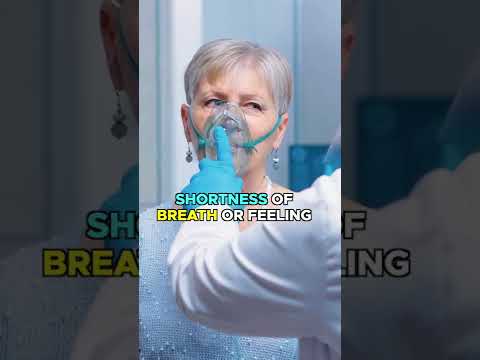
- Shortness of Breath: When you’re anxious, you may find yourself gasping for air or breathing really fast. It’s your body’s way of getting more oxygen ready for that “fight or flight” response.
- Nausea and Digestive Issues: Anxiety can mess with your stomach too! You know when you get butterflies before giving a presentation? Sometimes it goes beyond butterflies and becomes full-on nausea.
- Sweating: If you’ve ever had sweaty palms during an anxious moment, you know how real this is. Sweat can pour down just from thinking about something stressful!
The thing is, these physical symptoms are not just annoying; they can really impact how you go about your daily life. Picture this: You’re at work trying to focus on a project, but the knot in your stomach is so tight that all you can think about is getting through the day without freaking out.
Another thing to consider is how long these effects last. If anxiety hits hard during a stressful period—like finals week in school or prepping for an important meeting—you might feel run down even after the event passes. This fatigue can be linked back to how much energy your body used up dealing with those anxious feelings.
You might even notice changes in sleep patterns too! Anxiety can lead to insomnia or restless nights because racing thoughts keep you awake—leaving you tired and cranky the next day. Seriously, have you ever tried functioning on little sleep during work? It’s rough!
No one wants to be stuck feeling like their body is on high alert all the time. The good news? Understanding that anxiety has this physical grip on us can help us explore ways to manage it better. Whether it’s through mindfulness practices, exercise, or simply talking to someone about what you’re going through—knowing this connection between mind and body is a big first step.
Anxiety may create chaos inside our bodies, but recognizing these signs can empower us to take action and reclaim some peace in our everyday lives.
Essential Guidelines: What to Avoid When Supporting Someone with Anxiety
Supporting someone who’s grappling with anxiety can be a tough gig. You want to help, but sometimes your well-intentioned actions might miss the mark. It’s important to know what you should avoid when stepping in to lend a hand.
First off, don’t minimize their feelings. When someone shares their anxiety with you, saying things like “It’s no big deal” or “Just relax” is not helpful. Imagine you’ve just sprained your ankle and someone tells you it’s just a scratch—frustrating, right? Validating their feelings is crucial; they’re experiencing something real and often overwhelming.
Avoid giving unsolicited advice. Sure, you want to help and share what worked for you in similar situations. But here’s the thing: they might not want solutions right now. Sometimes, they just need a listening ear. Try asking if they want advice before jumping in with recommendations.
- Don’t push them to talk. If they’re not in the mood to share, that’s okay. Respecting their space can feel more supportive than pressing them for details.
- Avoid trying to fix everything. It can be tempting to swoop in and solve their problems, but that can come off as dismissive. They may need support navigating their experience more than a fix-it solution.
- Don’t shame them for their feelings. Anxiety isn’t a choice; it’s something many people are working through daily. Comments like “You should just get over it” aren’t just unhelpful—they’re hurtful.
Create an environment where they feel safe expressing themselves without judgment. This means being patient and understanding when things get tough! Anxiety can leave folks feeling isolated or misunderstood, so letting them know they’re seen is super important.
Also steer clear of comparisons. Saying things like “I get anxious too when…” might seem relatable, but it shifts the focus away from their struggle. It minimizes what they’re going through by suggesting everyone experiences anxiety the same way—which isn’t true!
Anxiety isn’t always visible. Some people smile through panic attacks or hide how they’re feeling behind humor—so don’t assume someone isn’t struggling just because they seem fine on the outside. Checking in regularly can mean more than waiting until they reach out first.
You also want to avoid making it about you. Sharing your own anxiety stories could be well-intentioned but it could take energy away from what your friend needs at that moment—your support! Focus on listening first and foremost.
Your goal here is basically creating an atmosphere of support without pressure or judgement. Be there when you’re needed, but also give space when it’s called for—it’s all about balance!
If you keep these guidelines in mind while supporting someone dealing with anxiety, you’ll likely find yourself being an even better friend. Just remember: listening without judgment goes a long way! And who knows? Your presence alone could be the comfort they need during those difficult moments.
Uncommon Physical Symptoms of Anxiety: Understanding the Unexpected Effects on Your Body
Anxiety is wild, right? It doesn’t just mess with your mind; it can totally take a toll on your body too. While we often think of anxiety as just feeling stressed or worried, there’s a whole range of physical symptoms that can sneak up on you. Let’s unpack some of those unexpected effects.
First off, did you know anxiety can mess with your digestive system? It’s like your gut is trying to communicate with you. You may experience things like nausea, diarrhea, or even constipation. Seriously, I once had a friend who felt sick every time he had a presentation, and it wasn’t just the nerves! This happens because anxiety triggers your fight-or-flight response, which gets your stomach all riled up.
Then there are the headaches. Anyone else ever get a pounding headache when they’re super stressed? Yeah, that’s not just in your head—literally! Anxiety can cause tension headaches or migraines. Your muscles tighten up and boom! You’ve got a headache.
And let’s not forget about sweating. You might break out in a sweat for no reason at all when you’re low-key anxious. I mean, it doesn’t even have to be hot outside! Your body might think it’s under attack and start producing sweat to cool down.
Another sneaky symptom is tingling sensations. Maybe you’ve felt that weird tingling in your fingers or toes during an anxious moment? That could be due to hyperventilation or changes in blood flow caused by anxiety. It feels super odd and might freak you out if you don’t know what’s happening!
Then there’s the chest pain. Some people feel this deep pressure during an anxiety attack—it can feel so intense that folks think they’re having heart problems! It’s kind of terrifying when it hits out of nowhere. But it’s essential to remember that this pain usually comes from muscle tension and other bodily reactions related to anxiety.
You might also notice some weird changes in your heart rate—sometimes racing like you’ve just sprinted up a hill! This happens because when you’re anxious, your body releases stress hormones that tell your heart to pump faster.
Lastly, have you ever felt really tired or fatigued after being anxious? That exhaustion isn’t just about mental stress; it’s also about how much energy all those physical responses drain from you. Anxiety basically turns on the gas pedal in your body but doesn’t always let you hit the brakes.
So yeah, anxiety isn’t just about feeling worried in your head. It has some serious side effects on our bodies too—like unwanted surprises popping up at the most inconvenient times. Being aware of these uncommon physical symptoms can help you understand what you’re going through better and maybe even make it feel less overwhelming when they hit next time!
You know those moments when anxiety suddenly crashes over you like a wave? It’s wild how it can take you from calm to chaos in seconds. Your heart races, your palms get sweaty, and suddenly, it feels like the world is closing in on you. This isn’t just mental; it’s total body overload.
I remember this one time before a big presentation at work. I was super nervous—stomach churning, mind racing—but the intense physical reactions were something else. My legs felt like jelly, and I swear my heart was about to jump out of my chest. It’s like my body had declared war on me.
It turns out, anxiety isn’t just some fluff in your head. It can mess with your entire system! Your muscles tighten up because they’re ready for fight or flight (even when there’s no bear chasing you). And then there’s that lovely little thing called cortisol—the stress hormone that spikes and can leave you feeling drained after an anxiety episode.
And get this: all of these physical symptoms can lead to other issues down the line. You might find yourself dealing with headaches, digestive problems, or even sleep disturbances as your body tries to cope. It’s a vicious cycle where anxiety impacts not just your mind but your overall health too.
So it’s essential to tune into what your body is telling you when anxiety strikes. Sometimes, just taking a few deep breaths or stepping away from the situation can really help ground you again. Finding ways to manage that build-up of stress might make all the difference in keeping both your mind and body in check.
Remember: you’re not alone in this! So many people experience anxiety’s physical toll—it doesn’t make you weak; it makes you human!