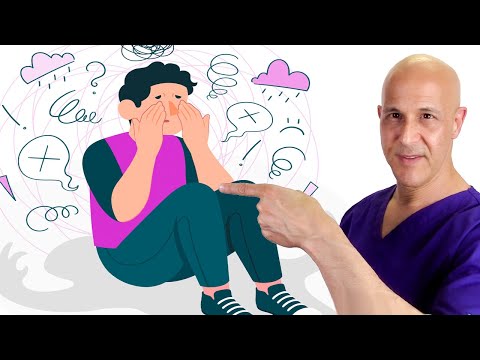
Oh man, exam anxiety is such a thing, isn’t it? You sit down to study, and then your brain just goes blank. It’s like, where did all that knowledge go?
You know that feeling when your heart races and your palms get sweaty? Yeah, that’s exam anxiety creeping in. It’s wild how much pressure we put on ourselves.
But here’s the thing: you’re definitely not alone in this struggle. A lot of folks deal with it every term. So what do we do about it?
Let’s chat about what’s going on in our heads during those stressful times and maybe, just maybe, find some ways to ease up on that anxiety a bit. Sound good?
Understanding Exam Anxiety: Key Psychological Questions and Effective Strategies for Students
Exams can be a real source of stress, right? It’s like the pressure cooker of your academic life, and it can lead to all sorts of anxiety. You might find yourself worrying about what’s gonna happen if you don’t do well. So let’s break this down and see what’s really going on.
What exactly is exam anxiety? Well, it’s that nervous feeling you get when you think about taking a test. It can show up as a racing heart, sweaty palms, or even that dreaded feeling in your stomach. For some folks, this anxiety is so intense that it actually interferes with their ability to perform well. But why does this happen? Great question!
One key factor is fear of failure. If you’ve ever stayed up late cramming because you’re terrified of getting a bad grade, you know what I mean. This fear can create a cycle: the more you worry about failing, the more anxious you become, which can then lead to poor performance—talk about a bummer.
Another thing to consider is perfectionism. You know those people who always strive for straight A’s? They tend to experience higher levels of anxiety because they set unrealistically high standards for themselves. And guess what? When they feel like they’ve missed the mark even slightly, it hits hard.
How about peer pressure? A lot of students feel the heat from friends or family who have high expectations. This can build up your stress levels even more. You’re not just worried about your own grades but also how you’ll stack up against everyone else.
So now that we have a grip on what exam anxiety is and where it comes from, let’s talk strategies—because we all love a good game plan!
- Practice relaxation techniques: Breathing exercises can help calm your nerves before an exam. Try inhaling slowly for four seconds, holding for four seconds, and then exhaling for four seconds.
- Create a study schedule: Plan out your study sessions instead of cramming last minute. Break down the material into bite-sized chunks; it makes things feel so much more manageable!
- Acknowledge your feelings: It’s okay to feel anxious! Sometimes just admitting that you’re nervous takes away some of its power over you.
- Visualize success: Picture yourself walking into the exam room feeling calm and confident. Visualization has been shown to help with performance in various settings!
A little while ago, I spoke with a friend who had major dread every time finals rolled around. He started implementing some breathing techniques and structuring his study time better. Over time he noticed he felt way less anxious—he even began looking forward to tests as opportunities rather than threats! Isn’t that awesome?
The bottom line is that while exam anxiety is super common among students—it doesn’t have to define your experience with tests! And remember: it’s not just about getting grades; it’s also about growing through these experiences.
Effective Strategies for Students to Overcome Exam Anxiety: A Comprehensive Guide
Exam anxiety can feel like a heavyweight sitting on your chest, making it hard to breathe, think, or even study. You know that feeling when you’re staring at the clock and it’s ticking away while you’re lost in your thoughts? It’s common. So let’s break down some practical strategies that might help you tackle this beast called exam anxiety.
Understand your anxiety. Acknowledging that you’re feeling anxious is the first step. It’s like telling yourself, “Hey, I’m human.” Sometimes just naming the feeling makes it less scary. Recognizing it helps you gain control over it, instead of letting it control you.
Practice deep breathing. Seriously! Deep breathing is super effective. When you’re anxious, your body tends to go into fight-or-flight mode, which makes your heart race and your mind whirl. To counteract this, take a few minutes before studying or during breaks to breathe deeply. Inhale through your nose for a count of four, hold for four, and exhale through your mouth for six. Trust me; it calms down those nerves.
Time management is key. Break down your study material into chunks instead of trying to swallow the whole thing at once. Set small daily goals and use a planner or app to keep track. Think about how satisfying it is to check things off a list! This approach reduces overwhelm and gives you a sense of achievement every time you hit those targets.
Use positive self-talk. You know that voice in your head? Often it’s way too critical! Flip the script by using positive affirmations like “I’ve prepared for this” or “I am capable.” Seriously, tell yourself that enough times and you’ll start believing it!
Simulate exam conditions. Get used to the pressure by mimicking what an actual exam would feel like during practice sessions. Time yourself while answering sample questions in a quiet space. This won’t just boost confidence; it’ll also make those test-day jitters feel more familiar and manageable.
Stay connected with others. Talk about what you’re feeling with friends or family—the support can lighten the load big time! Sometimes just knowing others share these feelings can be comforting. Forming or joining study groups can also help keep motivation high while offering different perspectives on material.
Avoid cramming. It’s tempting to pull an all-nighter before an exam but trust me—it only increases anxiety levels without boosting retention much. Instead, spread out studying over several weeks leading up to the exam day.
Healthy lifestyle choices matter. Never underestimate how exercise and nutrition affect mental health! Exercise releases endorphins (those lovely chemicals that boost mood). Even a short walk can work wonders for reducing anxiety before an exam!
Keep hydrated and fuel up with brain-boosting foods like nuts or whole grains rather than junk food that’ll leave you feeling sluggish. Small changes might leave a big impact!
Incorporating these strategies might not eliminate anxiety entirely; that’s normal too! But they may help manage those feelings so they don’t overshadow all the hard work you’ve put in. Plus, remember: exams are just one part of life; they’ll pass whether good or bad.
So there you have it—some clear strategies to combat exam anxiety head-on while creating space for calmer thoughts as you prep! Breathe easy; you’ve got this!
Effective Test Anxiety Strategies: Download Your Comprehensive PDF Guide
Test anxiety can feel like this heavy blanket, you know? It’s suffocating when all you want is to show what you know. But there are ways to make it easier. Here’s a rundown on some effective strategies to tackle that anxiety monster.
Recognize Your Feelings
First things first, acknowledge that anxiety is totally normal. Everyone experiences it at some point. It’s like walking into a big exam room and feeling your heart race. Recognizing those feelings means you can start tackling them head-on.
Prepare Early
You can’t just wing it if you want to feel confident! Give yourself time to study well in advance. Breaking your study materials into smaller chunks makes it less overwhelming. Instead of cramming the night before, try studying for short periods over weeks. This approach reduces panic and helps you remember stuff better.
Practice Relaxation Techniques
Breathing techniques are a biggie here. Take a moment before your test to close your eyes and breathe deeply—like you’re filling up a balloon with air. Inhale for four counts, hold for four, and exhale for four. This can help calm your nervous system so you feel more grounded when faced with those exam questions.
Visualize Success
Imagine yourself walking into the exam room filled with confidence and calmness! Picture how well things are going as you answer questions easily. Visualization isn’t just daydreaming; it primes your brain for success and helps reduce negative thoughts before a test.
Positive Self-Talk
Enough with the “I can’t do this” chatter! Instead, replace those thoughts with something uplifting: “I’ve studied hard, and I’m ready.” Talking to yourself positively can shift your mindset from doubt to determination.
Stay Organized
Keep track of what you need for the exam—pens, ID, snacks—you name it! Rushing around trying to find something on test day only ups your anxiety levels. Create checklists or reminders so all you have to think about is nailing that test!
Embrace Healthy Habits
Don’t forget about self-care! Try to get enough sleep leading up to the exam; being well-rested helps everything from memory recall to focus levels. Eating nutritious snacks can provide steady energy too, not that crazy sugar rush that crashes quick!
Practice Tests
Taking practice tests under timed conditions can be super helpful too! It mimics the real deal and helps desensitize some of that tension built around exams. Plus, you’ll get familiar with the types of questions that might pop up!
And hey, if things get too overwhelming even after trying these strategies, talking it out with someone—like friends or family—can really lighten that load.
So yeah, tackling exam anxiety doesn’t mean being fearless; it’s about finding ways to move through the fear more easily. With preparation and positivity in your corner, you’re way more likely to ace those tests without breaking down under pressure!
Exam anxiety is one of those things that can really hit hard, isn’t it? I mean, you’re sitting there, trying to focus on a million facts and figures, and your brain feels like it’s about to explode. It’s like your mind suddenly decides to go blank right when you need it the most. Been there, done that.
So, what’s really going on here? Well, anxiety is basically our body’s way of reacting to stress. When you’re faced with an exam, your brain kicks into gear, releasing hormones like adrenaline. This can make you feel jittery and restless—like you just chugged a bunch of coffee when all you wanted was a peaceful moment. That fight-or-flight response is great if you’re being chased by a bear but not so much when you’re just trying to remember the difference between mitosis and meiosis.
I remember this one time in college when I had an important math exam. I spent hours studying and felt pretty confident—until the night before the test. The more I thought about it, the more anxious I got. I couldn’t sleep at all! Eventually, when I got into the exam room, my hands were shaking so much that I could barely hold my pencil. It’s wild how our minds can turn into our own worst enemies sometimes.
Now, many people think that a little bit of anxiety is normal—and they’re right! A sprinkle of nervousness can actually help motivate us to prepare better or perform at our best levels. But too much? That’s where things get tricky. When anxiety takes over, it can lead to what’s called «cognitive overload.» You know when you’re trying to remember something but then your mind just shuts off? Yep—that’s cognitive overload for ya.
To tackle this beast of exam anxiety effectively, it’s essential to find strategies that work for you personally. Some folks swear by deep breathing exercises—like taking a big breath in for four counts and then letting it out slowly for eight counts. Others might find comfort in visualization techniques or even just talking things out with a friend or family member.
Another thing worth considering is time management. It sounds so simple but breaking your study into chunks with regular breaks can help keep your mind sharp and reduce that overwhelming feeling. Actually seeing your progress may even give you a boost in confidence!
And hey—the most critical thing is being kind to yourself throughout this process! Everyone deals with exams differently—it doesn’t make you less intelligent if stress gets in the way sometimes.
So next time you’re gearing up for an exam and feel those nerves creeping in—remember that it’s perfectly human to feel this way. You’re not alone in this battle against exam anxiety; there’s an entire club out there who gets it!