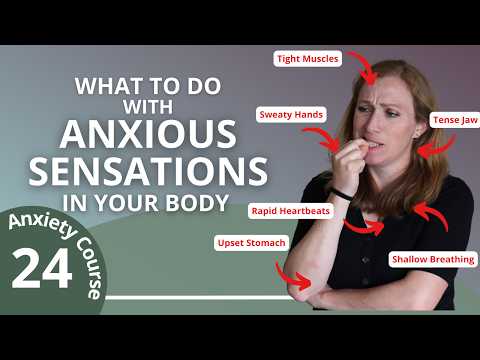
You know that feeling when your heart races, and you can’t quite catch your breath? Yeah, anxiety can hit out of nowhere. It’s like that unwanted guest that just overstays its welcome. Ugh!
But here’s the deal: you’re not alone in this. Seriously, a lot of us deal with those pesky anxious moments. It can be tough to find ways to cope, but there are definitely some tricks up our sleeves.
In this chat, we’re gonna explore some chill methods to help ease those symptoms. Think of it as a friendly toolkit for when anxiety tries to crash your party. So grab a snack and let’s get into it!
Effective Strategies to Immediately Reduce Anxiety: Practical Tips and Techniques
Anxiety can be a real pain, can’t it? You know, that feeling when your heart races, your palms get sweaty, and you can’t seem to catch a breath. It can sneak up on you when you’re least expecting it. Whether it’s about a big presentation, dealing with social situations, or just navigating life’s ups and downs, anxiety hits hard. Fortunately, there are some simple strategies that can help you calm those nerves quickly.
Practice Deep Breathing
One of the first things you can do is to focus on your breath. Seriously! Try inhaling deeply through your nose for a count of four, then hold it for four seconds, and exhale slowly through your mouth for another count of four. Sounds easy enough, right? This technique helps activate your body’s relaxation response. I remember trying this before a big exam—just taking those few breaths made everything feel more manageable.
Get Moving
Another thing that’s super effective is physical activity. Movement releases endorphins—those feel-good chemicals that boost your mood. You don’t have to run a marathon; even a brisk walk around the block can do wonders. Just think back to that time you were feeling totally overwhelmed and then decided to go for a quick jog or dance around your living room. Remember how much better you felt afterward? It works!
Grounding Techniques
Ever heard of grounding techniques? These are all about bringing yourself back into the present moment when anxiety starts creeping in. A popular method is the 5-4-3-2-1 exercise: identify five things you can see around you, four things you can touch, three things you hear, two things you smell (or like two smells), and one thing you can taste. It’s like hitting pause on anxiety and refocusing your brain.
Challenge Negative Thoughts
You know how our brains tend to go down rabbit holes of worry? Well, challenging those negative thoughts is crucial! When something triggers anxious feelings, ask yourself: “Is this thought true?” or “What evidence do I have?” It’s amazing how often we blow things out of proportion in our heads! Just imagine telling yourself that presenting in front of people will be disastrous—you might realize you’re ignoring all the times you’ve done well before.
Connect with Others
Sometimes just talking it out with someone can help clear up anxiety fog. Reaching out to friends or family doesn’t mean laying all your burdens on them but rather sharing how you’re feeling in that moment—it helps normalize what you’re going through! And honestly? You’ll probably find they’ve felt similar ways at times too!
Meditation and Mindfulness
Lastly, consider trying some meditation or mindfulness exercises. Even if you’re skeptical about sitting still and focusing on nothing—just give it a shot! Start small: maybe five minutes of just closing your eyes and focusing on breathing or listening to calming sounds. It’s less about stopping thoughts entirely (which is pretty tough) but more about observing them without getting caught up in them.
So there you have it—a few practical tips right at your fingertips to tackle anxiety head-on! Remember though—it’s totally normal to feel anxious from time to time; everyone does! These strategies won’t eliminate anxiety completely but they sure help manage it better when it strikes again. And who knows? You might even find yourself enjoying those little moments more fully as they come along!
Effective Strategies to Overcome Anxiety Thoughts: A Comprehensive Guide
Anxiety can feel like that annoying friend who just won’t leave you alone. You know what I mean? Your mind races with worries, doubts, and scenarios—often the worst ones. But there are some effective strategies you can use to help calm those anxious thoughts. Let’s break it down.
1. Acknowledge Your Thoughts
First off, it’s super important to recognize when you’re having anxious thoughts. If you pretend they’re not there, it’ll only make things worse. Try saying to yourself, “Okay, I’m feeling anxious right now.” This simple acknowledgment can create some distance between you and your anxiety.
2. Challenge Negative Thoughts
Next up is challenging those sneaky, negative thoughts that pop into your head. If you’re thinking something like “I’m going to mess up,” ask yourself: “Wait… what evidence do I have for this?” Often, when you really dig into it, you’ll find that these thoughts are sort of exaggerated.
3. Grounding Techniques
Grounding techniques can be a lifesaver. They help bring your focus back to the present moment instead of spiraling into worry about the future or ruminating on the past. Try the 5-4-3-2-1 method: identify five things you see around you, four things you can touch, three things you hear, two things you smell (or remember), and one thing you can taste—like coffee or mint gum!
4. Practice Mindfulness
Mindfulness is all about being present without judging your feelings. You could start with short meditation sessions—maybe just five minutes a day. There are plenty of apps out there if you’re unsure where to begin. It’s about tuning into your breath or noticing how your body feels in the moment.
5. Get Moving
Exercise isn’t just for getting fit; it actually helps with anxiety too! Releasing endorphins through movement helps boost your mood and distracts your brain from ongoing worries—even a quick walk can do wonders!
6. Talk it Out
Sometimes talking about what’s bothering you makes all the difference in the world! Whether it’s chatting with a friend or writing in a journal, putting your thoughts into words helps untangle them a bit.
7. Set Boundaries with Information
If news or social media makes your heart race more than usual, consider taking breaks from them! Constant exposure to negative news can amplify anxiety levels significantly—so protect that mental space!
8. Create an Anxiety Toolbox
What if I told ya that building an «anxiety toolbox» might be super helpful? Fill it with coping strategies that work for *you*. Whether that’s music that calms you down or favorite quotes that inspire positivity—having go-to tools at hand is empowering!
The thing is: everyone deals with anxiety differently; there’s no one-size-fits-all solution here! It may take time and patience to figure out which strategies work best for *you*. Just keep experimenting until something clicks!
So yeah, dealing with anxious thoughts isn’t easy—but having a variety of strategies in place makes it so much easier to handle when those pesky feelings arise again!
Effective Strategies for Managing Anxiety When Alone: A Comprehensive Guide
So, let’s chat about managing anxiety when you’re alone. It can be tough, right? You might feel overwhelmed or like thoughts are racing through your mind. But here are some effective strategies that might help you get through those moments.
1. Breathing Techniques
One of the simplest ways to calm yourself down is through breathing exercises. Try taking a deep breath in for a count of four, hold for four, and exhale for four. Repeat this a few times. It sounds basic, but it really works! You’re basically telling your body it’s okay to relax.
2. Grounding Exercises
When anxiety hits hard, grounding techniques can pull you back to the present moment. One way is the 5-4-3-2-1 method. Identify:
- Five things you can see
- Four things you can touch
- Three things you can hear
- Two things you can smell
- One thing you can taste
This practice helps shift focus away from anxious thoughts by engaging your senses.
3. Create a Comfort Space
If you’re home alone and feeling anxious, having a designated comfort zone helps. It could be a cozy corner with soft blankets and pillows. Maybe add some soothing music or even some essential oils if that’s your thing! This space becomes your personal refuge.
4. Distract Yourself with Activities
Distracting your mind is sometimes the best way to cope with anxiety when you’re alone. You could:
- binge-watch that show everyone raves about,
- dive into a good book, or even
- bake something delicious!
The key is to engage in activities that require focus and make you feel good.
5. Journaling Your Thoughts
Scribbling down what’s swirling in your head might surprise you! Writing down feelings can help untangle those jumbled thoughts and let them breathe. Just grab a notebook and let it all out—no judgment here!
6. Reach Out for Connection
If you’re feeling really anxious alone, picking up the phone or sending a message to someone can be golden. Even just chatting about random stuff can lighten the load! We all need connection; we’re not meant to go through this alone.
Anecdote Time!
I remember one night when I was left alone during an unexpected storm, and oh boy did my anxiety kick in! At first, I felt trapped by my racing thoughts—like I couldn’t escape them! Then I tried breathing exercises and soon settled into my comfy spot with a warm drink and some calming music playing softly in the background. Before long, I was back on solid ground instead of spiraling down that rabbit hole!
Your Takeaway?
You’ve got tools at your disposal when anxiety creeps in while you’re by yourself! Breathing techniques, grounding exercises, creating comfort spaces—these are all little ways to help ease that tension.
The trick is not just knowing these strategies but practicing them regularly so they become second nature when anxiety comes knocking at your door again!
Anxiety’s a real sneaky beast, isn’t it? Like, one minute you’re just chilling, and the next, your heart’s racing out of your chest for no apparent reason. I remember this one time when I was waiting for an exam result. My mind started going on these wild tangents—»What if I failed?» «What if everyone else did better?» It felt like I was trapped in this mental loop that wouldn’t stop playing. But here’s the thing: there are ways to manage those anxiety symptoms that can genuinely help bring some calm back into your life.
One of the simplest strategies is just learning to breathe properly. Seriously! When you’re anxious, your body tenses up and breathing becomes shallow. So, trying some deep breaths can do wonders. Picture taking a slow breath in through your nose, holding it for a sec or two, and then letting it all out through your mouth. It’s like giving your nervous system a little hug.
Another neat trick is grounding techniques. You know, those moments when you feel detached from what’s happening around you? Grounding helps pull you back into reality by focusing on the here and now. You could try the five-senses approach—name five things you see, four things you can touch, three sounds you hear… You get it! It’s sort of like snapping yourself out of that anxiety spiral.
And let’s not forget about talking it out! Sometimes confiding in a friend or family member can be super helpful. It might feel awkward at first but sharing what weighs on your mind can lighten that burden just a bit. Plus, sometimes people have perspectives that can turn your worries into something way more manageable.
Physical activity is also a game-changer. Whether it’s hitting the gym or just going for a walk around the block—getting those endorphins flowing is totally worth it! It’s like sending tiny soldiers to fight off those anxious thoughts.
But hey, remember that everyone’s different; what works for one person might not work for another. It takes time trying things out to see what resonates with you personally! Anxiety isn’t about being weak or unable to cope; it’s just a part of many people’s lives and finding ways to deal with it makes all the difference! So if you’re feeling that pressure creeping up again tomorrow – hey, try out some of these strategies and see how they fit into your day-to-day life!